THE ADVENTURE COLLECTIVE® · Independent discovery and booking for outdoor travel

Follow El Cid’s route on a full-day private tour from Madrid to the castles of Gormaz, Atienza and Jadraque. Experience cliff-top fortresses, cobbled medieval streets and wide valley views with practical guidance for a long day of history and walking.
Follow El Cid’s route on a full-day private tour from Madrid to the castles of Gormaz, Atienza and Jadraque. Experience cliff-top fortresses, cobbled medieval streets and wide valley views with practical guidance for a long day of history and walking.
A dry wind pushes across the plateau as you step onto a stone rampart and the land opens beneath you—river valleys cut into limestone, patchwork fields stretching to distant hills. The stones underfoot are rough with centuries; banners are long gone but the strategic geometry of walls and towers still reads like a military map. This is a day spent following El Cid’s footsteps: a ribbon of roads from Madrid to Gormaz’s vast caliphal enceinte, to the crag-top stronghold of Atienza, and finally the hill-clinging Castillo del Cid at Jadraque.
Verified experiences and guided adventures in the surrounding area.
Operated by Agiday Experience · Atienza, Castilla-La Mancha
A dry wind pushes across the plateau as you step onto a stone rampart and the land opens beneath you—river valleys cut into limestone, patchwork fields stretching to distant hills. The stones underfoot are rough with centuries; banners are long gone but the strategic geometry of walls and towers still reads like a military map. This is a day spent following El Cid’s footsteps: a ribbon of roads from Madrid to Gormaz’s vast caliphal enceinte, to the crag-top stronghold of Atienza, and finally the hill-clinging Castillo del Cid at Jadraque.
These sites trace the shifting frontier of medieval Iberia. Gormaz, built in the 10th century, was a Muslim caliphate bulwark overlooking the Duero; Atienza’s Romanesque churches and steep streets reflect its strategic role during the Reconquista; Jadraque’s 15th-century fortress crowns older foundations associated with Rodrigo Díaz de Vivar. Geologically, the route runs along transitional terrain where Duero and Henares valleys cut through Mesozoic limestones and Tertiary sediments, producing cliffs and defensible promontories.
Expect cobbled lanes, exposed battlements and short steep approaches—little technical climbing but enough uneven ground to demand attention. Practical planning: the full-day private tour runs about 12 hours from Madrid with most time spent sightseeing and short walks at each castle. Wear grippy footwear, bring layered clothing for wind and sun, and carry water—the central Spanish plateau is exposed and weather can swing quickly. Photography windows are best in morning or late afternoon light when stones pick up warm color. Allow time to linger in village plazas and try local cured meats and manchego cheese—these towns reward slow exploration as much as the monuments do.
Expect roughly 1.5–2 hours each way depending on traffic and which castle you visit first; the full experience runs a full day (about 12 hours).
This tour lists admission as included for key sites (Gormaz and Atienza) but confirm specifics with the operator at booking time.
Not recommended for people with significant spinal or mobility problems—castles have uneven surfaces and stairs with limited handrails.
Children can join, but infants must sit on an adult’s lap and special seats are available; expect lots of walking and stairs which can be tiring for very young kids.
Agiday Experience operates guided outdoor trips and adventures with an emphasis on safety, stewardship, and memorable experiences.
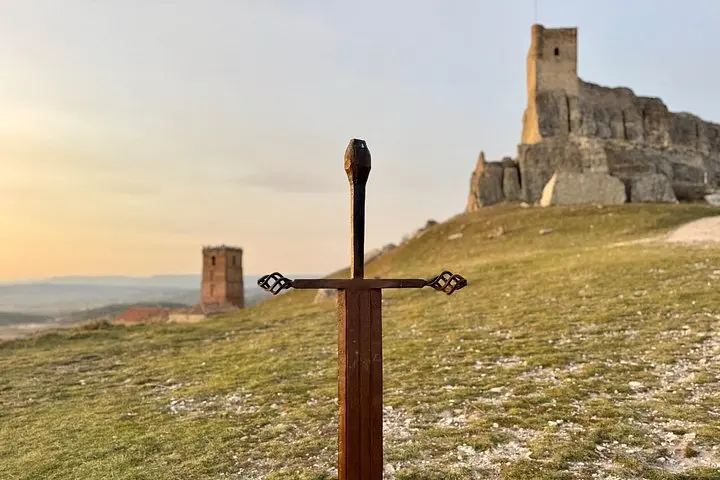
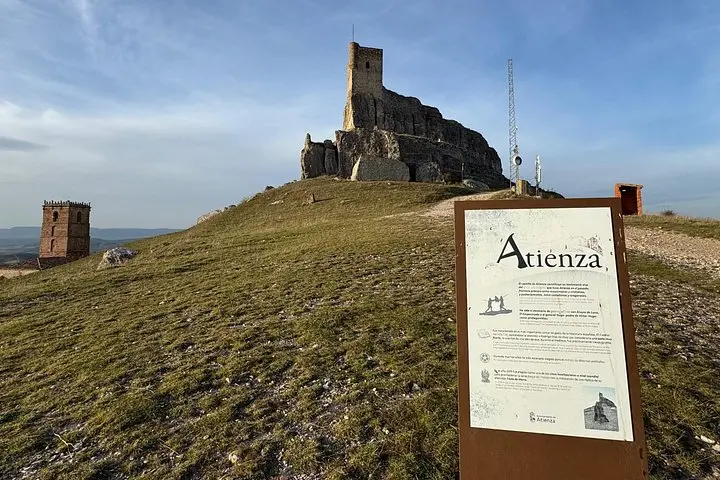
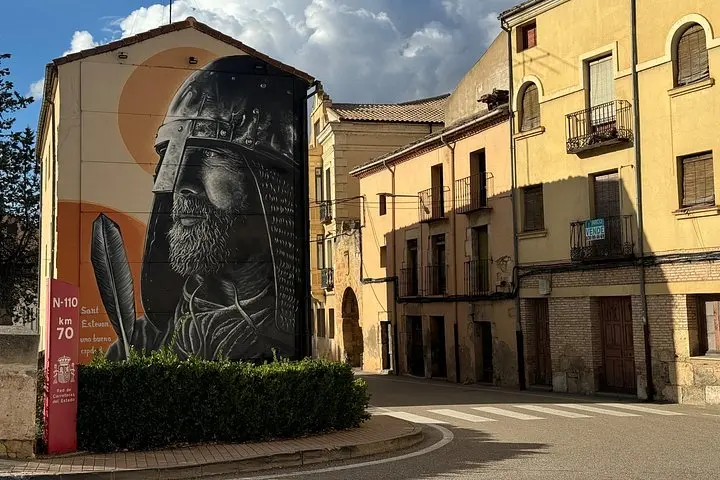
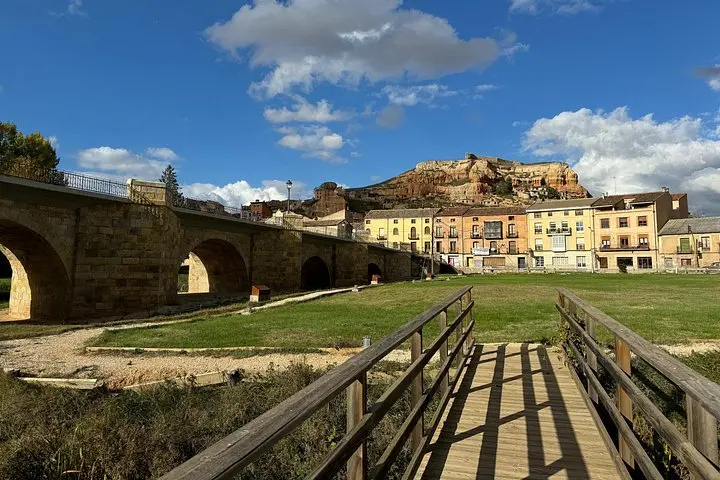
A dry wind pushes across the plateau as you step onto a stone rampart and the land opens beneath you—river valleys cut into limestone, patchwork fields stretching to distant hills. The stones underfoot are rough with centuries; banners are long gone but the strategic geometry of walls and towers still reads like a military map. This is a day spent following El Cid’s footsteps: a ribbon of roads from Madrid to Gormaz’s vast caliphal enceinte, to the crag-top stronghold of Atienza, and finally the hill-clinging Castillo del Cid at Jadraque.
A dry wind pushes across the plateau as you step onto a stone rampart and the land opens beneath you—river valleys cut into limestone, patchwork fields stretching to distant hills. The stones underfoot are rough with centuries; banners are long gone but the strategic geometry of walls and towers still reads like a military map. This is a day spent following El Cid’s footsteps: a ribbon of roads from Madrid to Gormaz’s vast caliphal enceinte, to the crag-top stronghold of Atienza, and finally the hill-clinging Castillo del Cid at Jadraque.
These sites trace the shifting frontier of medieval Iberia. Gormaz, built in the 10th century, was a Muslim caliphate bulwark overlooking the Duero; Atienza’s Romanesque churches and steep streets reflect its strategic role during the Reconquista; Jadraque’s 15th-century fortress crowns older foundations associated with Rodrigo Díaz de Vivar. Geologically, the route runs along transitional terrain where Duero and Henares valleys cut through Mesozoic limestones and Tertiary sediments, producing cliffs and defensible promontories.
Expect cobbled lanes, exposed battlements and short steep approaches—little technical climbing but enough uneven ground to demand attention. Practical planning: the full-day private tour runs about 12 hours from Madrid with most time spent sightseeing and short walks at each castle. Wear grippy footwear, bring layered clothing for wind and sun, and carry water—the central Spanish plateau is exposed and weather can swing quickly. Photography windows are best in morning or late afternoon light when stones pick up warm color. Allow time to linger in village plazas and try local cured meats and manchego cheese—these towns reward slow exploration as much as the monuments do.