THE ADVENTURE COLLECTIVE® · Independent discovery and booking for outdoor travel

Spend a day circling Oahu in a compact, 12-person group—Diamond Head cliffs, Halona Blowhole, Dole Plantation, and the surf of the North Shore, all with hotel pickup and a local guide. A practical, photography-friendly loop that mixes geology, culture, and beachside wildlife.
Spend a day circling Oahu in a compact, 12-person group—Diamond Head cliffs, Halona Blowhole, Dole Plantation, and the surf of the North Shore, all with hotel pickup and a local guide. A practical, photography-friendly loop that mixes geology, culture, and beachside wildlife.
By sunrise the minivan slips out of Waikiki with the island folding open ahead: lava ridges dark against a brightening sky, the Pacific puffing white where it meets black rock. With a dozen passengers and one guide, the Circle Island tour reads like an illustrated primer on Oahu — a day that trades hotel glitz for roadside lookouts, coconut-scented food stalls, and a slow-motion education in geology and culture.
Verified experiences and guided adventures in the surrounding area.
Operated by BARBIL TOURS · Honolulu, Hawaii
By sunrise the minivan slips out of Waikiki with the island folding open ahead: lava ridges dark against a brightening sky, the Pacific puffing white where it meets black rock. With a dozen passengers and one guide, the Circle Island tour reads like an illustrated primer on Oahu — a day that trades hotel glitz for roadside lookouts, coconut-scented food stalls, and a slow-motion education in geology and culture.
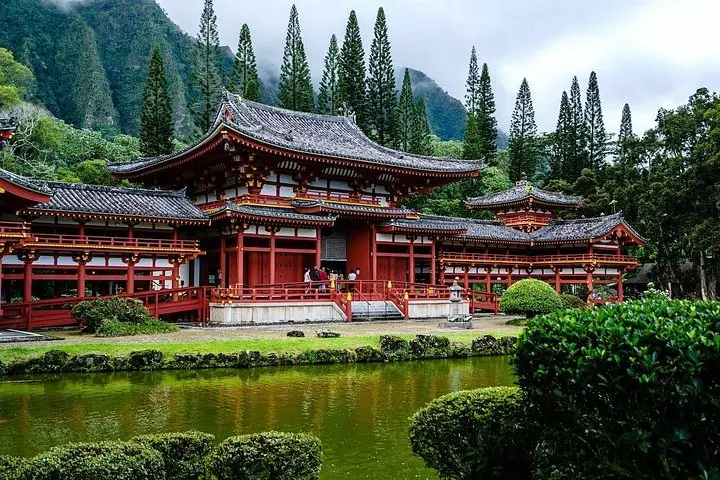
The route follows roughly the island’s 112-mile perimeter, pausing at landmarks that map both volcanic time and immigrant threads. Diamond Head’s tuff cone, an ancient blast frozen into a crescent, frames the southeastern shore; the Halona Blowhole demonstrates the power of sea driven through old lava tubes; the Dole Plantation stands as a reminder that nineteenth-century plantation economics reshaped land use and labor on Oahu. On the North Shore, Waimea Valley’s botanical gardens and waterfall intersect Hawaiian wahi kapu (sacred places) and centuries of aquaculture knowledge; the Byodo-In Temple, erected in 1968, commemorates the Japanese immigrants whose stories are woven into the island’s modern identity.
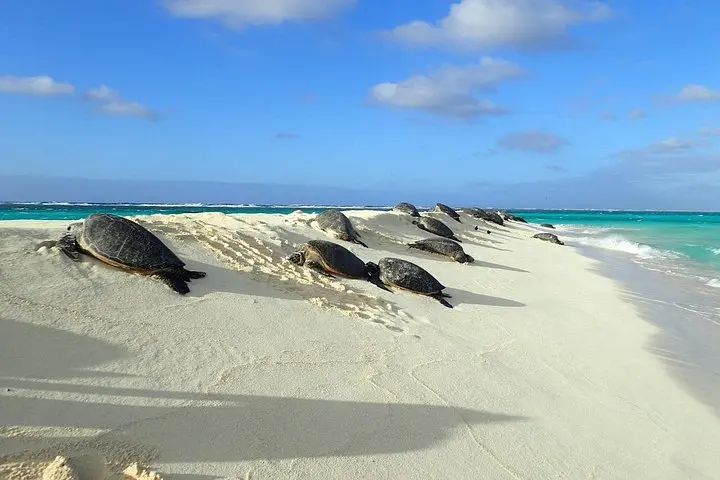
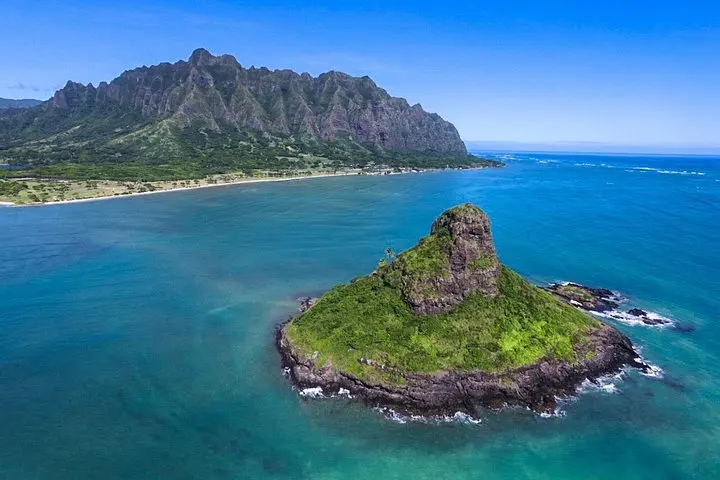
Geology is never far from the surface. Basalt cliffs and eroded tuff rings tell of Kīlauea’s and Mauna Kea’s distant cousins; offshore stacks and reefs are biological outposts built from that ancient stone. Wildlife appears in measured moments: Hawaiian green sea turtles haul out at Laniakea, and winter months bring humpback whales breaching off the North Shore.
Practically, the value of a small-group loop is flexibility: two 45-minute lookouts, a relaxed 90-minute waterfall stop with a 0.5–1 mile easy walking path, a lunch at a local shrimp plate shack (cash recommended), and plenty of photo stops. Expect a 9–10 hour day (540–600 minutes) with multiple short walks and minimal sustained elevation. The guide handles logistics and narration, calling out cultural context and pointing to less obvious features — reef shapes, ancient terraces, and old plantation machinery glimpsed roadside.
To get the most from it, bring reef-safe sunscreen, a sun hat, sturdy sandals or light hiking shoes for slippery paths, and a refillable water bottle. If you want a quieter experience, aim for a weekday; winter offers whale sightings, summer gives calmer seas. Pickup and drop-off from Waikiki hotels are included; the operator texts or calls before departure with final details.
This is not a rush to check boxes but a paced translation of island layers — geology, plantation history, and living Hawaiian culture — all seen through the practical lens of one long, revealing day around Oahu.
The tour runs about 9–10 hours (540–600 minutes); pickup is typically early morning from Waikiki and your guide will confirm exact pickup time the day before.
Lunch is not included; there’s a 45–60 minute stop at a local restaurant on the North Shore—cash is handy for shrimp plates and food stands.
Turtle sightings at Laniakea (Turtle Beach) are common year-round; whale sightings are most likely in winter months (December–April).
Yes—the tour is labeled suitable for all fitness levels and includes short, easy walks; infant seats are available and service animals are permitted.
Bring reef-safe sunscreen, a towel, water shoes or sandals, and modest swimwear if you plan to dip near the waterfall (follow posted safety rules).
Yes—hotel pickup and drop-off in Waikiki are included; the guide will call or text with pickup details about an hour before departure.
BARBIL TOURS operates guided outdoor trips and adventures with an emphasis on safety, stewardship, and memorable experiences.
By sunrise the minivan slips out of Waikiki with the island folding open ahead: lava ridges dark against a brightening sky, the Pacific puffing white where it meets black rock. With a dozen passengers and one guide, the Circle Island tour reads like an illustrated primer on Oahu — a day that trades hotel glitz for roadside lookouts, coconut-scented food stalls, and a slow-motion education in geology and culture.
By sunrise the minivan slips out of Waikiki with the island folding open ahead: lava ridges dark against a brightening sky, the Pacific puffing white where it meets black rock. With a dozen passengers and one guide, the Circle Island tour reads like an illustrated primer on Oahu — a day that trades hotel glitz for roadside lookouts, coconut-scented food stalls, and a slow-motion education in geology and culture.
The route follows roughly the island’s 112-mile perimeter, pausing at landmarks that map both volcanic time and immigrant threads. Diamond Head’s tuff cone, an ancient blast frozen into a crescent, frames the southeastern shore; the Halona Blowhole demonstrates the power of sea driven through old lava tubes; the Dole Plantation stands as a reminder that nineteenth-century plantation economics reshaped land use and labor on Oahu. On the North Shore, Waimea Valley’s botanical gardens and waterfall intersect Hawaiian wahi kapu (sacred places) and centuries of aquaculture knowledge; the Byodo-In Temple, erected in 1968, commemorates the Japanese immigrants whose stories are woven into the island’s modern identity.
Geology is never far from the surface. Basalt cliffs and eroded tuff rings tell of Kīlauea’s and Mauna Kea’s distant cousins; offshore stacks and reefs are biological outposts built from that ancient stone. Wildlife appears in measured moments: Hawaiian green sea turtles haul out at Laniakea, and winter months bring humpback whales breaching off the North Shore.
Practically, the value of a small-group loop is flexibility: two 45-minute lookouts, a relaxed 90-minute waterfall stop with a 0.5–1 mile easy walking path, a lunch at a local shrimp plate shack (cash recommended), and plenty of photo stops. Expect a 9–10 hour day (540–600 minutes) with multiple short walks and minimal sustained elevation. The guide handles logistics and narration, calling out cultural context and pointing to less obvious features — reef shapes, ancient terraces, and old plantation machinery glimpsed roadside.
To get the most from it, bring reef-safe sunscreen, a sun hat, sturdy sandals or light hiking shoes for slippery paths, and a refillable water bottle. If you want a quieter experience, aim for a weekday; winter offers whale sightings, summer gives calmer seas. Pickup and drop-off from Waikiki hotels are included; the operator texts or calls before departure with final details.
This is not a rush to check boxes but a paced translation of island layers — geology, plantation history, and living Hawaiian culture — all seen through the practical lens of one long, revealing day around Oahu.