THE ADVENTURE COLLECTIVE® · Independent discovery and booking for outdoor travel
The Annapurna Circuit delivers high Himalayan exposure, cultural encounters with Gurung and Thakali communities, and a demanding high-pass crossing at Thorong La. This guide outlines what to expect on the classic 18–21 day route and how to prepare for altitude, terrain, and teahouse logistics.
The Annapurna Circuit delivers high Himalayan exposure, cultural encounters with Gurung and Thakali communities, and a demanding high-pass crossing at Thorong La. This guide outlines what to expect on the classic 18–21 day route and how to prepare for altitude, terrain, and teahouse logistics.
You step out of the jeep into thin, wind-scoured air and the Annapurna massif sizes up like a living map—ridges daring you forward, glaciers pushing light across blue rock faces.
Verified experiences and guided adventures in the surrounding area.
Operated by Alpine Luxury Treks Pvt Ltd · Kathmandu, Bagmati Province
You step out of the jeep into thin, wind-scoured air and the Annapurna massif sizes up like a living map—ridges daring you forward, glaciers pushing light across blue rock faces.
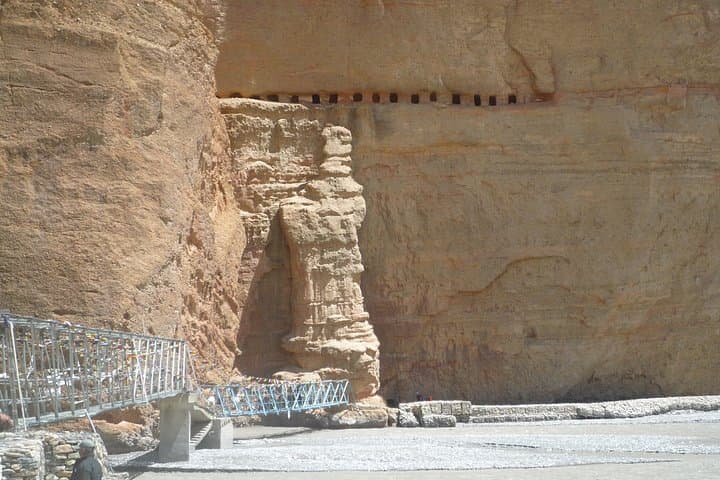
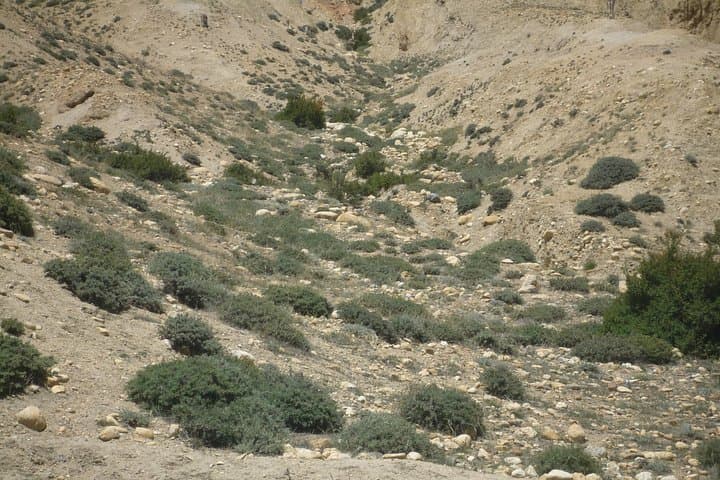
The Circuit threads ancient trade routes carved by mule and monk, passing villages where Gurung and Thakali households still greet travelers with warm dal bhat. Geologically, the trail traces the collision of the Indian and Eurasian plates: dramatic faulted valleys, moraine-carved bowls and terraces that climb from subtropical river gorges to arid, wind-polished highlands near the Thorong La.
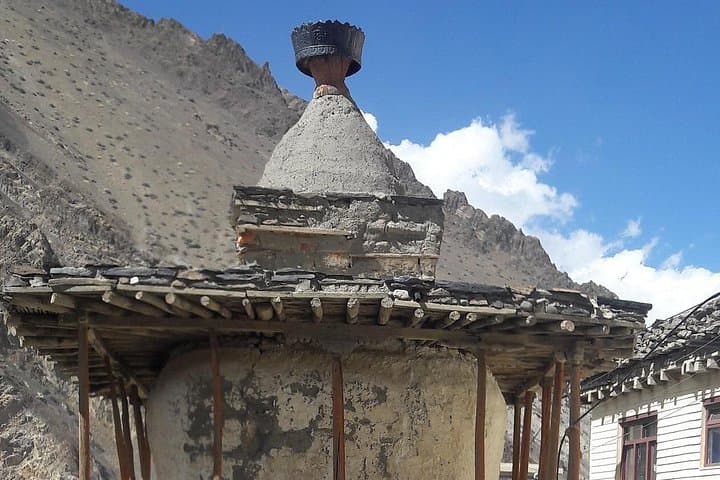
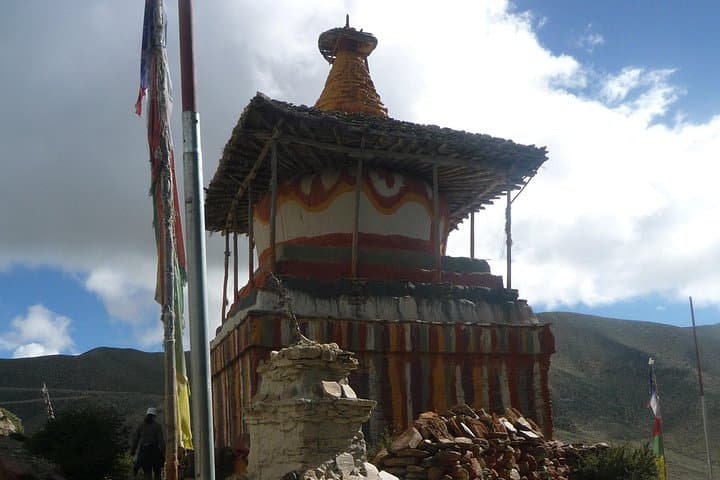
Culture here is tactile—prayer flags at passes, mani walls at stream crossings, and teahouses that double as community centers. Small monasteries in Braga and Manang archive centuries of Himalayan practice; apple cellars in Marpha remember the salt-and-apple trade that once moved through these passes.
Practical guidance: plan 18–21 days to follow the classic route, allowing acclimatization days in Manang and an early pre-dawn crossing of Thorong La (5,416 m) for the best weather window. Expect daily hikes of 4–8 hours over mixed terrain—stone staircases, scree slopes, and high alpine meadows—so train on sustained uphill sections and practice with a loaded pack.
Hydrate constantly, watch for altitude symptoms, and pack layered insulation for nights that plunge well below freezing above 3,500 m. Teahouses provide simple meals and a bed; bring cash, a daylight headlamp and a compact sleeping bag rated to at least -5°C. Time your trek for spring or autumn for clearer views and stable weather; winters bring hard passes and very cold nights.
Yes—an ACAP (Annapurna Conservation Area Permit) and a TIMS card are required; your tour operator typically arranges these before departure.
Spring (March–May) and autumn (September–November) offer the clearest skies and most stable conditions; monsoon summer brings leeches and cloud, winter brings deep cold and snow at passes.
Thorong La reaches 5,416 m and poses significant altitude risk; symptoms can progress rapidly—descend immediately if severe symptoms appear and factor in acclimatization days.
Basic guesthouses with simple dorm-style or private rooms, shared bathrooms, and hearty local meals; quality improves in larger villages like Manang and Chame.
Alpine Luxury Treks Pvt Ltd operates guided outdoor trips and adventures with an emphasis on safety, stewardship, and memorable experiences.
You step out of the jeep into thin, wind-scoured air and the Annapurna massif sizes up like a living map—ridges daring you forward, glaciers pushing light across blue rock faces.
You step out of the jeep into thin, wind-scoured air and the Annapurna massif sizes up like a living map—ridges daring you forward, glaciers pushing light across blue rock faces.
The Circuit threads ancient trade routes carved by mule and monk, passing villages where Gurung and Thakali households still greet travelers with warm dal bhat. Geologically, the trail traces the collision of the Indian and Eurasian plates: dramatic faulted valleys, moraine-carved bowls and terraces that climb from subtropical river gorges to arid, wind-polished highlands near the Thorong La.
Culture here is tactile—prayer flags at passes, mani walls at stream crossings, and teahouses that double as community centers. Small monasteries in Braga and Manang archive centuries of Himalayan practice; apple cellars in Marpha remember the salt-and-apple trade that once moved through these passes.
Practical guidance: plan 18–21 days to follow the classic route, allowing acclimatization days in Manang and an early pre-dawn crossing of Thorong La (5,416 m) for the best weather window. Expect daily hikes of 4–8 hours over mixed terrain—stone staircases, scree slopes, and high alpine meadows—so train on sustained uphill sections and practice with a loaded pack.
Hydrate constantly, watch for altitude symptoms, and pack layered insulation for nights that plunge well below freezing above 3,500 m. Teahouses provide simple meals and a bed; bring cash, a daylight headlamp and a compact sleeping bag rated to at least -5°C. Time your trek for spring or autumn for clearer views and stable weather; winters bring hard passes and very cold nights.
