THE ADVENTURE COLLECTIVE® · Independent discovery and booking for outdoor travel

Walk Muscat’s waterfront, markets and mosques with an informative guide. This 2–4 hour tour covers Muttrah Souq, the Corniche, Sultan Qaboos Mosque and key heritage sites with transport and museum entry included.
Walk Muscat’s waterfront, markets and mosques with an informative guide. This 2–4 hour tour covers Muttrah Souq, the Corniche, Sultan Qaboos Mosque and key heritage sites with transport and museum entry included.
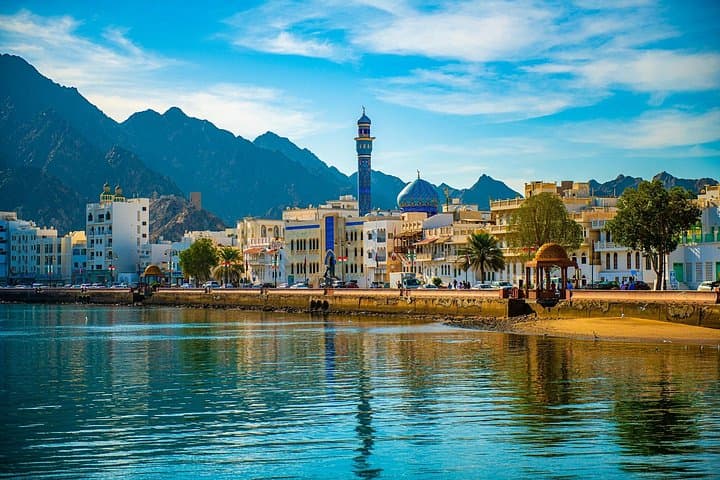
The morning light in Muscat slants off whitewashed buildings and the sea pulls at the Corniche, urging you to walk its curve. On this city tour you move between salt-scented waterfronts and quiet alleys: the call to prayer threads through the air as vendors unwrap baskets of frankincense and bundles of spices, while port cranes and small dhows sway in the harbor.
Verified experiences and guided adventures in the surrounding area.
Operated by Magic Tours Egypt · Muscat, Muscat Governorate
The morning light in Muscat slants off whitewashed buildings and the sea pulls at the Corniche, urging you to walk its curve. On this city tour you move between salt-scented waterfronts and quiet alleys: the call to prayer threads through the air as vendors unwrap baskets of frankincense and bundles of spices, while port cranes and small dhows sway in the harbor.
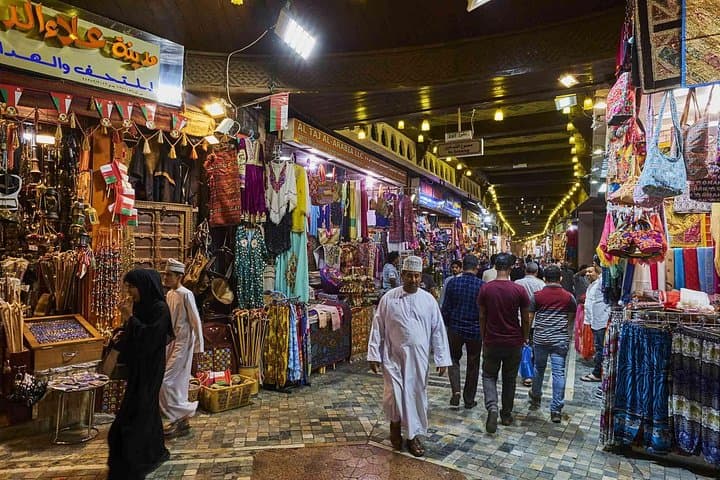
Muscat’s story is visible in stone — Portuguese-built Mirani and Jalali forts bristle on the headland, and the Alam Palace fronts manicured lawns that signal modern national identity. Geologically, the city sits where the Hajar foothills meet the Gulf of Oman, so expect abrupt rises in the terrain and short views framed by rugged ridgelines. Culturally, Muttrah Souq remains a living market: silver craftsmen, perfumers and fishmongers keep centuries-old trades alive.
Practical guidance: the tour typically lasts 2–4 hours with air-conditioned transfer between stops, and is physically easy and largely flat with short walking sections. Dress modestly — long sleeves and a scarf for women in religious sites — and bring water, sunscreen and small notes of Omani rials for purchases. Mornings are best for cooler temperatures and livelier market scenes; afternoons can be hot and quieter. Wheelchair access is available at major stops but expect uneven paving in older parts of the souq. Listen to your guide for entry rules at mosques and museums, and allow time to pause at the fish market to witness the day’s haul and local ritual of bargaining. This city tour blends coastal breeze, city history, and practical logistics to give a compact, approachable introduction to Muscat.
The tour runs approximately 2–4 hours depending on traffic and how long you spend at each stop.
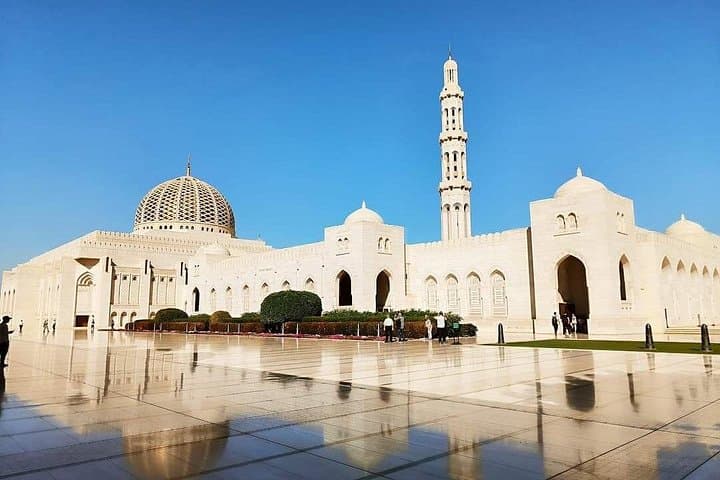
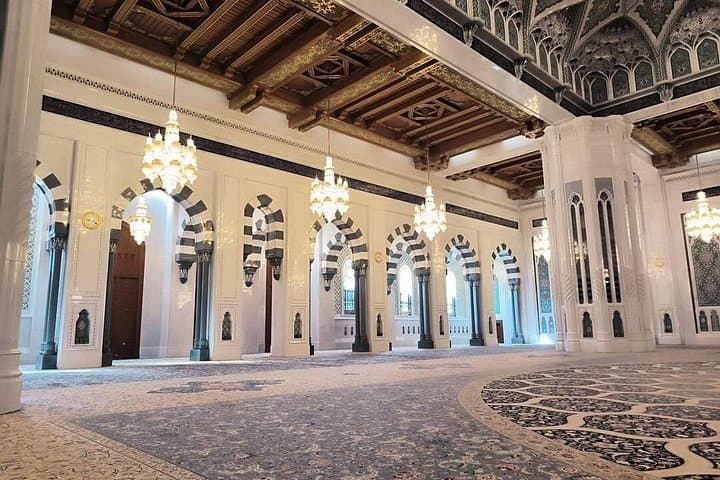
Sultan Qaboos Grand Mosque is typically included; modest dress is required and some areas may be off-limits to non-worshippers.
Major stops are wheelchair accessible and transport is air-conditioned, but older souq alleys have uneven paving that may limit access.
Omani rial (OMR) is preferred; bring small denominations for souq purchases and local vendors.
Magic Tours Egypt operates guided outdoor trips and adventures with an emphasis on safety, stewardship, and memorable experiences.
The morning light in Muscat slants off whitewashed buildings and the sea pulls at the Corniche, urging you to walk its curve. On this city tour you move between salt-scented waterfronts and quiet alleys: the call to prayer threads through the air as vendors unwrap baskets of frankincense and bundles of spices, while port cranes and small dhows sway in the harbor.
The morning light in Muscat slants off whitewashed buildings and the sea pulls at the Corniche, urging you to walk its curve. On this city tour you move between salt-scented waterfronts and quiet alleys: the call to prayer threads through the air as vendors unwrap baskets of frankincense and bundles of spices, while port cranes and small dhows sway in the harbor.
Muscat’s story is visible in stone — Portuguese-built Mirani and Jalali forts bristle on the headland, and the Alam Palace fronts manicured lawns that signal modern national identity. Geologically, the city sits where the Hajar foothills meet the Gulf of Oman, so expect abrupt rises in the terrain and short views framed by rugged ridgelines. Culturally, Muttrah Souq remains a living market: silver craftsmen, perfumers and fishmongers keep centuries-old trades alive.
Practical guidance: the tour typically lasts 2–4 hours with air-conditioned transfer between stops, and is physically easy and largely flat with short walking sections. Dress modestly — long sleeves and a scarf for women in religious sites — and bring water, sunscreen and small notes of Omani rials for purchases. Mornings are best for cooler temperatures and livelier market scenes; afternoons can be hot and quieter. Wheelchair access is available at major stops but expect uneven paving in older parts of the souq. Listen to your guide for entry rules at mosques and museums, and allow time to pause at the fish market to witness the day’s haul and local ritual of bargaining. This city tour blends coastal breeze, city history, and practical logistics to give a compact, approachable introduction to Muscat.