THE ADVENTURE COLLECTIVE® · Independent discovery and booking for outdoor travel

A private, door-to-door transfer between Civitavecchia port and Rome that turns the journey into a stress-free start or finish for your trip. Expect a 60–90 minute ride, multilingual drivers, and practical local context en route.
A private, door-to-door transfer between Civitavecchia port and Rome that turns the journey into a stress-free start or finish for your trip. Expect a 60–90 minute ride, multilingual drivers, and practical local context en route.
The salt air of the Tyrrhenian nudges the quay as a minivan eases away from Civitavecchia’s port, tyres clicking on sun-warmed asphalt. Windows frame a short coastal panorama — fishing boats, the medieval profile of Santa Severa on the headland, then the motorway ribbon unfurling toward Rome. The ride is simple by design: a direct, private transfer that turns port logistics into usable time.
Verified experiences and guided adventures in the surrounding area.
Operated by Italy Driving Guide · Civitavecchia, Lazio
The salt air of the Tyrrhenian nudges the quay as a minivan eases away from Civitavecchia’s port, tyres clicking on sun-warmed asphalt. Windows frame a short coastal panorama — fishing boats, the medieval profile of Santa Severa on the headland, then the motorway ribbon unfurling toward Rome. The ride is simple by design: a direct, private transfer that turns port logistics into usable time.
Civitavecchia has served Rome since the Roman Empire built its maritime gateway here; the port’s ramps and warehouses still follow a pattern of commerce and strategic use that stretches back millennia. Geologically the route skirts young coastal plains and then climbs slightly on the approach to Rome’s alluvial terraces, offering quick flashes of scrub, vineyards, and seaside cliffs. Drivers often fill the silence with practical history — why the castle watches the harbor, or where the ancient Via Aurelia ran — giving cultural context to a short transit.
Expect a comfortable, language-capable driver, air-conditioned vehicles, and a roughly 60–90 minute journey depending on traffic. Practicalities matter: plan pickups with ship arrival times, keep passports handy for port exits, and allow buffer time if you have flights. Bags fit in the rear cargo; children’s seats are available by request. Hydrate before boarding on hot days and carry a small daylight map or screenshot of your Rome address to confirm drop-off.
This service is transport-first: efficient, private, and useful for solo travelers or groups who want a straightforward start or finish to their Roman visit.
Typical travel time is 60–90 minutes by road, but allow extra time for port processing and peak traffic.
Drivers usually meet passengers at the ship’s disembarkation point or a pre-arranged meeting area in front of the ship; confirm exact pickup instructions before arrival.
Yes; infant and child seats are available but should be requested at booking to ensure the correct seat is provided.
Yes; this is a private door-to-door service between the port and hotels within Rome city limits or vice versa, unless otherwise specified.
Italy Driving Guide operates guided outdoor trips and adventures with an emphasis on safety, stewardship, and memorable experiences.
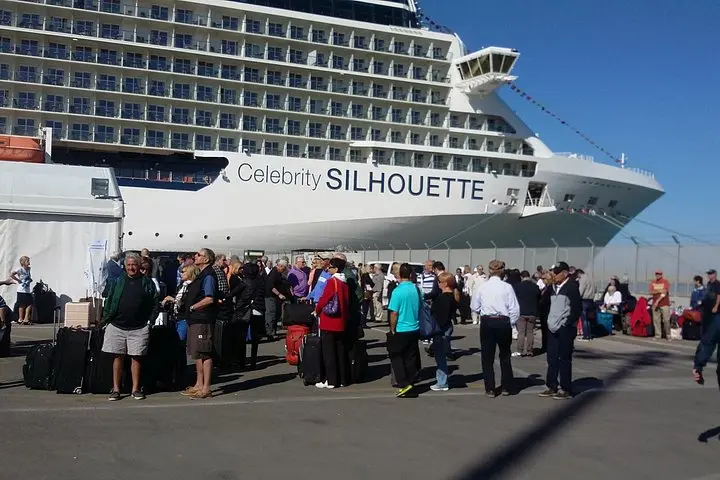
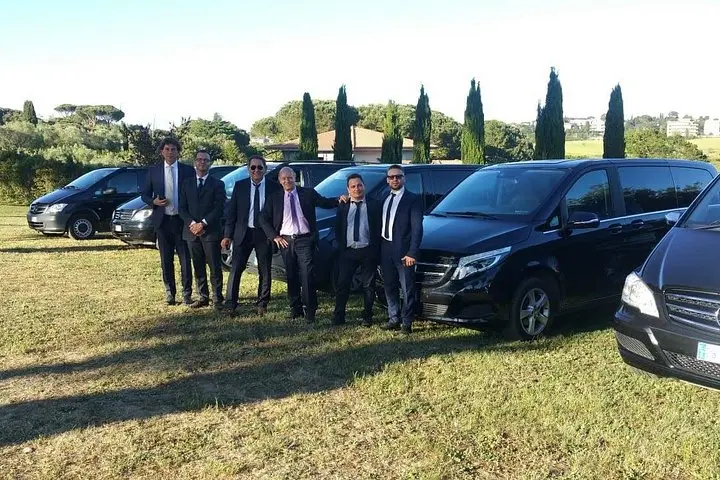
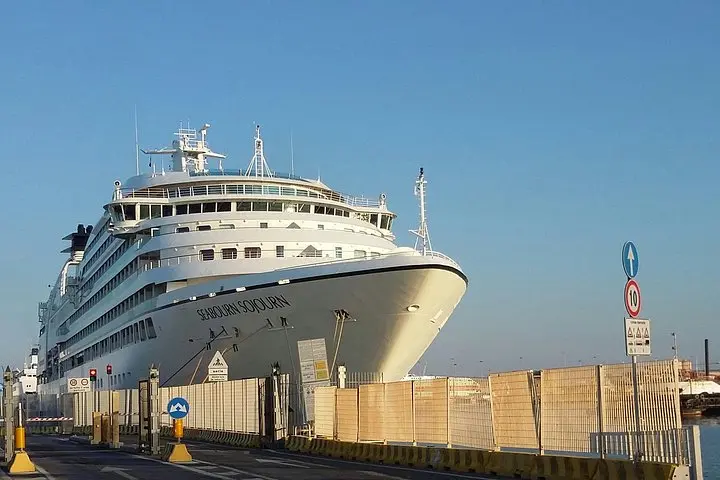
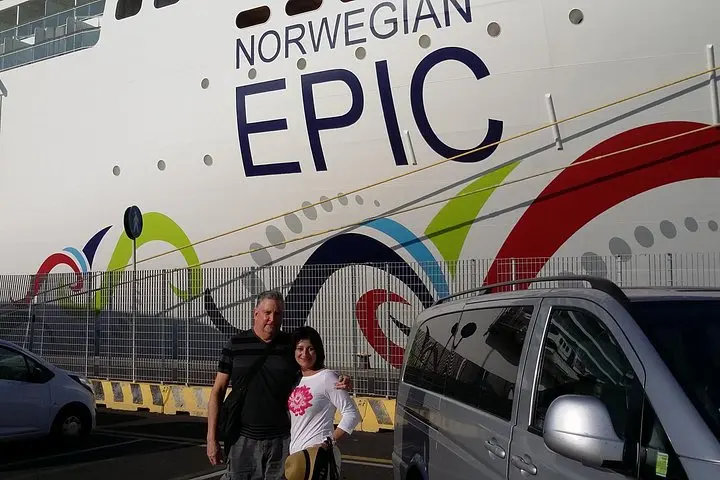
The salt air of the Tyrrhenian nudges the quay as a minivan eases away from Civitavecchia’s port, tyres clicking on sun-warmed asphalt. Windows frame a short coastal panorama — fishing boats, the medieval profile of Santa Severa on the headland, then the motorway ribbon unfurling toward Rome. The ride is simple by design: a direct, private transfer that turns port logistics into usable time.
The salt air of the Tyrrhenian nudges the quay as a minivan eases away from Civitavecchia’s port, tyres clicking on sun-warmed asphalt. Windows frame a short coastal panorama — fishing boats, the medieval profile of Santa Severa on the headland, then the motorway ribbon unfurling toward Rome. The ride is simple by design: a direct, private transfer that turns port logistics into usable time.
Civitavecchia has served Rome since the Roman Empire built its maritime gateway here; the port’s ramps and warehouses still follow a pattern of commerce and strategic use that stretches back millennia. Geologically the route skirts young coastal plains and then climbs slightly on the approach to Rome’s alluvial terraces, offering quick flashes of scrub, vineyards, and seaside cliffs. Drivers often fill the silence with practical history — why the castle watches the harbor, or where the ancient Via Aurelia ran — giving cultural context to a short transit.
Expect a comfortable, language-capable driver, air-conditioned vehicles, and a roughly 60–90 minute journey depending on traffic. Practicalities matter: plan pickups with ship arrival times, keep passports handy for port exits, and allow buffer time if you have flights. Bags fit in the rear cargo; children’s seats are available by request. Hydrate before boarding on hot days and carry a small daylight map or screenshot of your Rome address to confirm drop-off.
This service is transport-first: efficient, private, and useful for solo travelers or groups who want a straightforward start or finish to their Roman visit.