THE ADVENTURE COLLECTIVE® · Independent discovery and booking for outdoor travel

A practical, culture-forward 10-day circuit through Uzbekistan’s headline cities—Tashkent, Samarkand, Bukhara and Khiva—combining high-speed trains, regional flights and walking tours of UNESCO sites. Perfect for travelers who want deep history with manageable daily pacing.
A practical, culture-forward 10-day circuit through Uzbekistan’s headline cities—Tashkent, Samarkand, Bukhara and Khiva—combining high-speed trains, regional flights and walking tours of UNESCO sites. Perfect for travelers who want deep history with manageable daily pacing.
You step off the train into Tashkent's humid dusk and the city greets you with broad avenues, Soviet-era monuments and the steady hum of a capital that has remade itself. Over the next ten days the landscape opens—modern markets, tile-bedecked madrassahs, the flat, wind-swept Kyzyl-Kum and the blue-domed geometry of Registan.
Verified experiences and guided adventures in the surrounding area.
Operated by Travelcations · Tashkent, Tashkent Region
You step off the train into Tashkent's humid dusk and the city greets you with broad avenues, Soviet-era monuments and the steady hum of a capital that has remade itself. Over the next ten days the landscape opens—modern markets, tile-bedecked madrassahs, the flat, wind-swept Kyzyl-Kum and the blue-domed geometry of Registan.
This itinerary threads the Silk Road's great stops: Tashkent’s Hazrati Imam and Chorsu bazaar, Samarkand’s Registan and Gur-e-Amir mausoleum, the compact pedestrian lanes of Bukhara’s Lyabi-Hauz and the fortified lanes within Khiva’s Ichan Kala. Geologically the region sits at the edge of Central Asian steppes and the spurs of the Tien Shan—expect abrupt horizon shifts from irrigated oases to arid desert. Culturally, Uzbek hospitality centers on shared dishes—plov, manti and shashlik—and the mahalla neighborhood remains a living social unit.
Practical side: travel runs on timed high-speed trains and short regional flights, so passport paperwork, punctual transfers and sensible luggage matter. Days are walking-heavy on uneven stone and cobbles; comfortable shoes, sun protection and a reusable water bottle will keep you moving. Mornings are cooler—use layers—and schedule core sightseeing before midday heat. Carry small denomination som to buy snacks and tips; ask before photographing people in traditional settings.
Expect guided history, steady pacing, and pockets of free time to wander bazaars. For outdoor-minded travelers this trip blends cultural immersion with short excursions into mountain valleys and desert fringes—an accessible, logistics-rich route through Uzbekistan’s storied cities.
Visa requirements vary by nationality—check Uzbekistan’s official government website or your embassy well before travel and ensure passport validity of at least six months.
The Uzbek som is the national currency; cards work in major hotels and restaurants but carry cash for markets, small vendors and regional transfers.
Expect 2–5 hours of walking on sightseeing days, often on uneven cobblestones and stairs—comfortable footwear is essential.
The program includes historic sites with stairs and cobbles; some areas are wheelchair accessible but overall the tour requires moderate mobility—consult the operator for specific accommodations.
Travelcations operates guided outdoor trips and adventures with an emphasis on safety, stewardship, and memorable experiences.
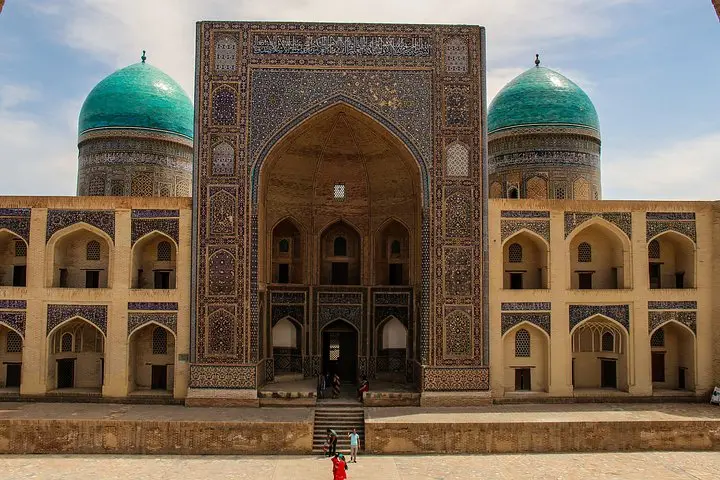
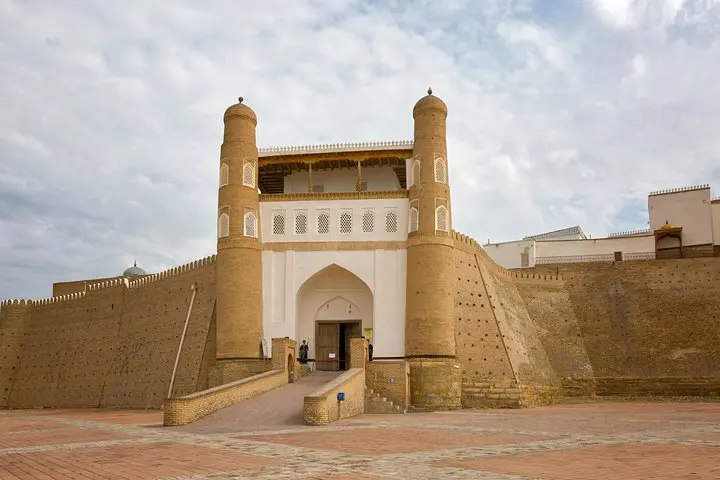
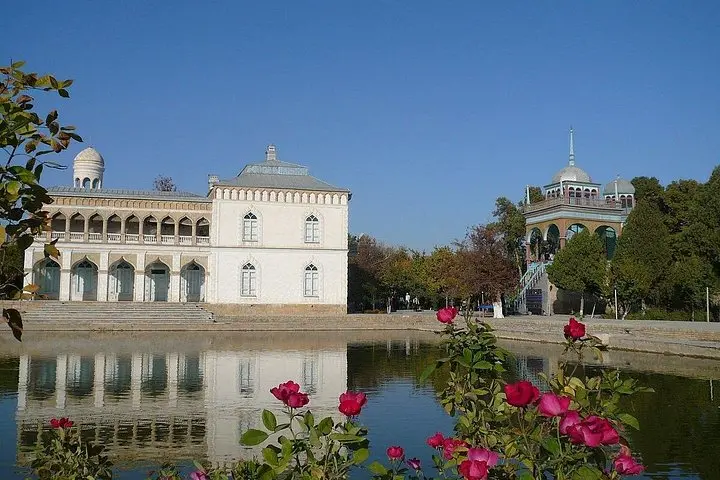
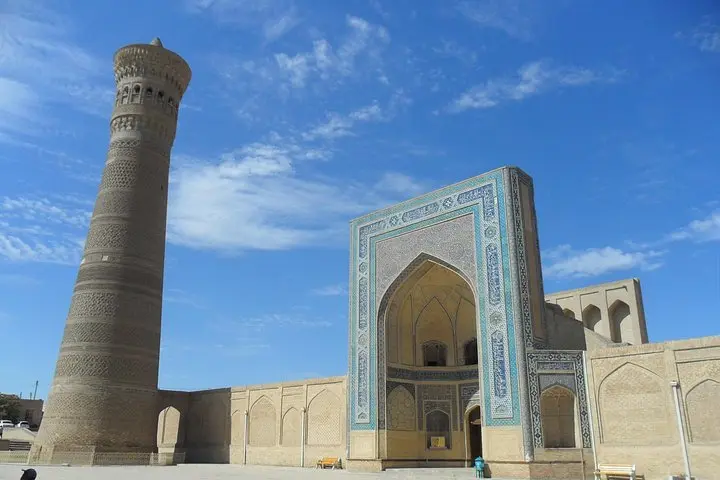
You step off the train into Tashkent's humid dusk and the city greets you with broad avenues, Soviet-era monuments and the steady hum of a capital that has remade itself. Over the next ten days the landscape opens—modern markets, tile-bedecked madrassahs, the flat, wind-swept Kyzyl-Kum and the blue-domed geometry of Registan.
You step off the train into Tashkent's humid dusk and the city greets you with broad avenues, Soviet-era monuments and the steady hum of a capital that has remade itself. Over the next ten days the landscape opens—modern markets, tile-bedecked madrassahs, the flat, wind-swept Kyzyl-Kum and the blue-domed geometry of Registan.
This itinerary threads the Silk Road's great stops: Tashkent’s Hazrati Imam and Chorsu bazaar, Samarkand’s Registan and Gur-e-Amir mausoleum, the compact pedestrian lanes of Bukhara’s Lyabi-Hauz and the fortified lanes within Khiva’s Ichan Kala. Geologically the region sits at the edge of Central Asian steppes and the spurs of the Tien Shan—expect abrupt horizon shifts from irrigated oases to arid desert. Culturally, Uzbek hospitality centers on shared dishes—plov, manti and shashlik—and the mahalla neighborhood remains a living social unit.
Practical side: travel runs on timed high-speed trains and short regional flights, so passport paperwork, punctual transfers and sensible luggage matter. Days are walking-heavy on uneven stone and cobbles; comfortable shoes, sun protection and a reusable water bottle will keep you moving. Mornings are cooler—use layers—and schedule core sightseeing before midday heat. Carry small denomination som to buy snacks and tips; ask before photographing people in traditional settings.
Expect guided history, steady pacing, and pockets of free time to wander bazaars. For outdoor-minded travelers this trip blends cultural immersion with short excursions into mountain valleys and desert fringes—an accessible, logistics-rich route through Uzbekistan’s storied cities.