THE ADVENTURE COLLECTIVE® · Independent discovery and booking for outdoor travel

A relaxed, three‑night luxury cruise from Aswan to Luxor that pairs river travel with guided visits to Philae, Kom Ombo, Edfu, Karnak and the Valley of the Kings. Ideal for travelers who want immersive archaeology with comfortable accommodations.
A relaxed, three‑night luxury cruise from Aswan to Luxor that pairs river travel with guided visits to Philae, Kom Ombo, Edfu, Karnak and the Valley of the Kings. Ideal for travelers who want immersive archaeology with comfortable accommodations.
You step onto the ship’s teak deck as the sun slides across the Nile, river breeze cutting through the heat and palms leaning in to watch the slow procession. The cruise is a steady, civilized passage: three nights on a five-star boat that links Aswan’s granite bank to Luxor’s temple-studded floodplain, with guided shore calls to Philae, Kom Ombo, Edfu, Karnak and the Valley of the Kings.
Verified experiences and guided adventures in the surrounding area.
Operated by Fayrouz Egypt Travel · Aswan, Aswan Governorate
You step onto the ship’s teak deck as the sun slides across the Nile, river breeze cutting through the heat and palms leaning in to watch the slow procession. The cruise is a steady, civilized passage: three nights on a five-star boat that links Aswan’s granite bank to Luxor’s temple-studded floodplain, with guided shore calls to Philae, Kom Ombo, Edfu, Karnak and the Valley of the Kings.
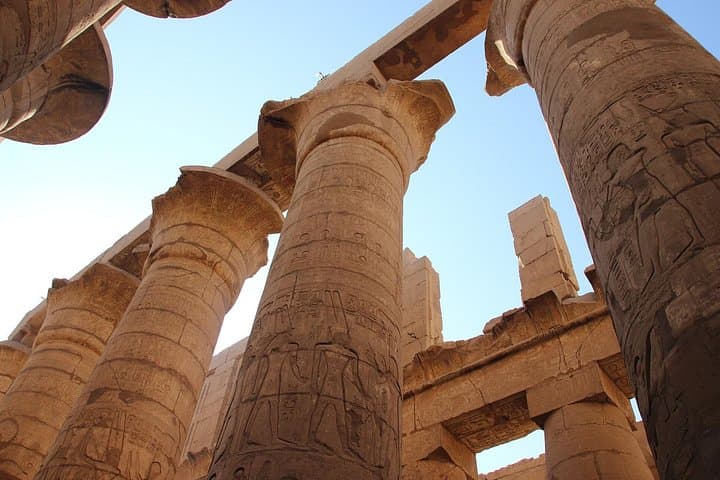
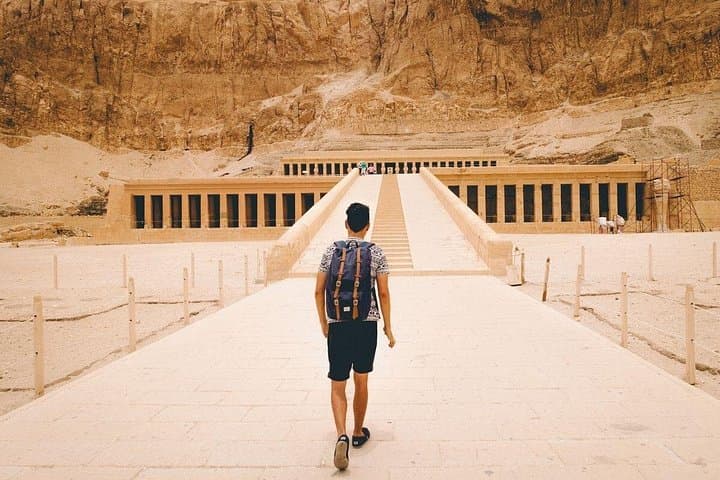
Geology and history arrive together here — the Nile carved the fertile ribbon that made Pharaonic power possible, while Aswan’s granite fed obelisks and statues. The Aswan High Dam is a modern marker of control over the river, and the unfinished obelisk offers a raw look at ancient stonecraft. Kom Ombo’s double temple reflects local cults; Edfu’s Horus sanctuary is one of Egypt’s best-preserved Ptolemaic temples. Luxor and the west bank close the loop with royal tombs, Hatshepsut’s mortuary temple and the Colossi of Memnon.
Onboard, expect three breakfasts, lunches and dinners, private-guide commentary and motorboat transfers to Philae. Practical notes: check-in is typically around 12:00, and the tour ends in Luxor mid‑afternoon, so plan onward travel for the evening. Carry cash for certain small fees (High Dam and the motorboat to Philae), wear sun protection and comfortable shoes for uneven temple ramps and stairs, and leave time for quiet river watching at dawn — the Nile will keep pulling you forward.
Most included services cover guided tours and meals, but national site entrance fees are typically extra; note that the High Dam and the motorboat to Philae often require cash on site.
The operator lists wheelchair accessibility and transfers as available, but some temple sites have uneven terrain and steps—check in advance for location-specific assistance.
Abu Simbel is not on the standard Aswan–Luxor cruise; visits are possible via separate day trips (by road or flight) and must be booked separately if desired.
Tipping is customary for guides, drivers and crew; budget small daily tips for housekeeping and service staff and a larger tip for the lead guide at trip’s end.
Fayrouz Egypt Travel operates guided outdoor trips and adventures with an emphasis on safety, stewardship, and memorable experiences.


You step onto the ship’s teak deck as the sun slides across the Nile, river breeze cutting through the heat and palms leaning in to watch the slow procession. The cruise is a steady, civilized passage: three nights on a five-star boat that links Aswan’s granite bank to Luxor’s temple-studded floodplain, with guided shore calls to Philae, Kom Ombo, Edfu, Karnak and the Valley of the Kings.
You step onto the ship’s teak deck as the sun slides across the Nile, river breeze cutting through the heat and palms leaning in to watch the slow procession. The cruise is a steady, civilized passage: three nights on a five-star boat that links Aswan’s granite bank to Luxor’s temple-studded floodplain, with guided shore calls to Philae, Kom Ombo, Edfu, Karnak and the Valley of the Kings.
Geology and history arrive together here — the Nile carved the fertile ribbon that made Pharaonic power possible, while Aswan’s granite fed obelisks and statues. The Aswan High Dam is a modern marker of control over the river, and the unfinished obelisk offers a raw look at ancient stonecraft. Kom Ombo’s double temple reflects local cults; Edfu’s Horus sanctuary is one of Egypt’s best-preserved Ptolemaic temples. Luxor and the west bank close the loop with royal tombs, Hatshepsut’s mortuary temple and the Colossi of Memnon.
Onboard, expect three breakfasts, lunches and dinners, private-guide commentary and motorboat transfers to Philae. Practical notes: check-in is typically around 12:00, and the tour ends in Luxor mid‑afternoon, so plan onward travel for the evening. Carry cash for certain small fees (High Dam and the motorboat to Philae), wear sun protection and comfortable shoes for uneven temple ramps and stairs, and leave time for quiet river watching at dawn — the Nile will keep pulling you forward.