THE ADVENTURE COLLECTIVE® · Independent discovery and booking for outdoor travel

Follow ancient paved Inca paths over high Andean passes to arrive at Machu Picchu through the Sun Gate. This guided 4-day trek blends archaeology, changing ecosystems and steep alpine climbs with camping and local support.
Follow ancient paved Inca paths over high Andean passes to arrive at Machu Picchu through the Sun Gate. This guided 4-day trek blends archaeology, changing ecosystems and steep alpine climbs with camping and local support.
The trail wakes before you do: a thin blue light threads through eucalyptus and queñual trees as your group assembles at KM 82. Stone steps worn smooth by centuries of feet lead upward, the air growing thinner and cooler with each switchback. By midmorning the valley exhales a humid, green breath; by midday the ridgelines slice the sky and the sun pries clouds from the peaks.
Verified experiences and guided adventures in the surrounding area.
Operated by Peru Adventure Trek · Aguas Calientes, Cusco Region
The trail wakes before you do: a thin blue light threads through eucalyptus and queñual trees as your group assembles at KM 82. Stone steps worn smooth by centuries of feet lead upward, the air growing thinner and cooler with each switchback. By midmorning the valley exhales a humid, green breath; by midday the ridgelines slice the sky and the sun pries clouds from the peaks.
This four-day route follows original Inca causeways and connects a chain of archaeological sites — Patallacta, Runcurakay, Sayacmarca, and Wiñayhuayna — built during the 15th century when the Inca network stitched the Andes together. Geologically the route crosses the eastern flank of the high Andes into the cloud forest, a dramatic change from glacially carved valleys to thick moss and orchids clinging to cliffs.
Local Quechua communities, porters, and cooks maintain this living corridor; coca tea and hearty soups are part of the cultural rhythm. The Dead Woman’s Pass (4,215 m) is the trek’s fulcrum — a steep, breath-stealing climb rewarded by wide Andean vistas.
Practical guidance: acclimatize 48–72 hours in Cusco before departing, carry a daypack with 2–3 liters of water, layered clothing for temperature swings, and sturdy boots with good traction. Trekking poles ease steep descents; a headlamp is useful for dawn starts. Permits and Machu Picchu entry are included with guided itineraries but remain limited — book early. Expect 4 days of camping with foam mattresses provided, early mornings, and the payoff: emerging at Inti Punku for the first glimpse of Machu Picchu as the valley below unfolds.
Yes — permits are limited and routed through licensed operators; this tour includes the permit and Machu Picchu entrance.
It’s the steepest, highest section at 4,215 m and can be strenuous; steady pacing and prior acclimatization mitigate difficulty.
Guided groups supply comfortable tents, foam sleep mats, and cooking equipment; bring a sleeping bag rated to at least -5°C if you prefer your own.
Participants must be in good health; it’s not recommended for pregnant travelers or those with serious cardiac/spinal conditions.
Peru Adventure Trek operates guided outdoor trips and adventures with an emphasis on safety, stewardship, and memorable experiences.
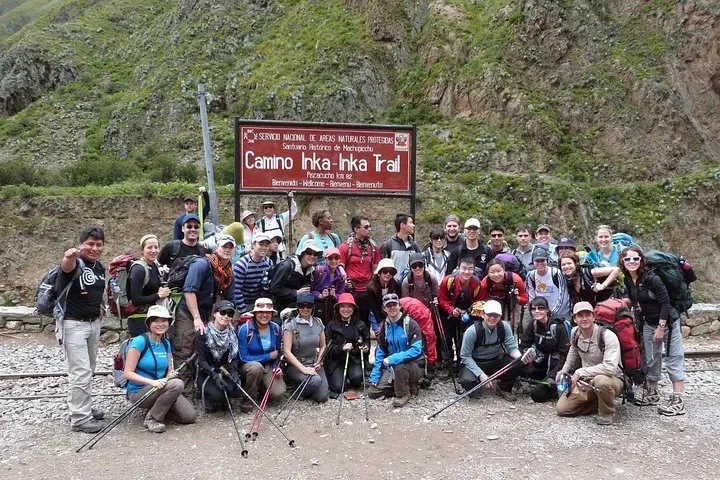
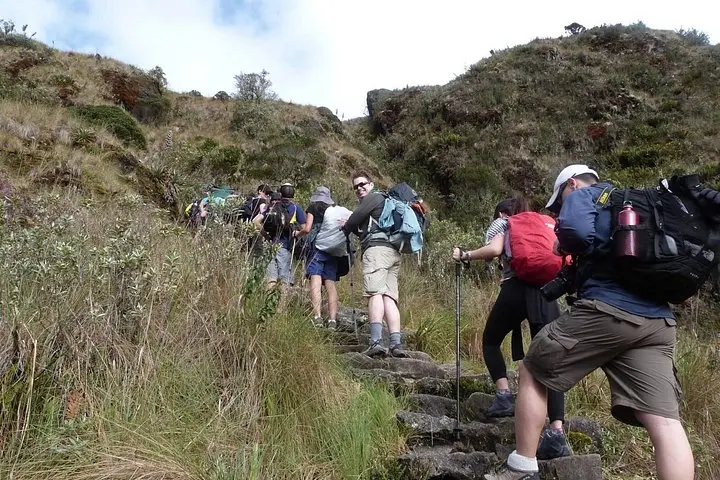
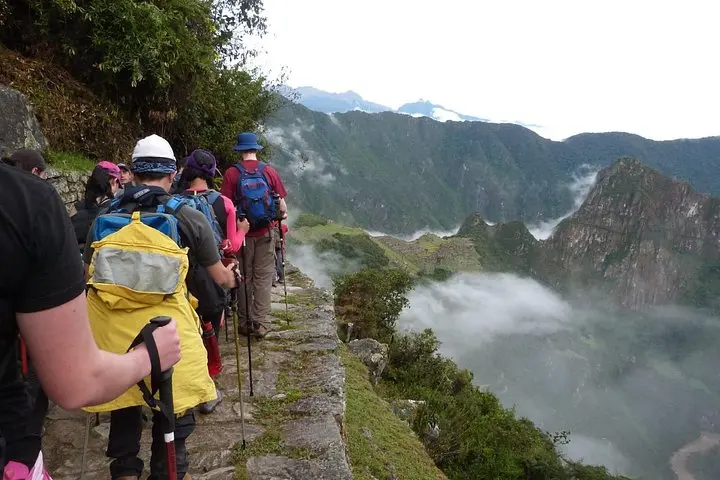
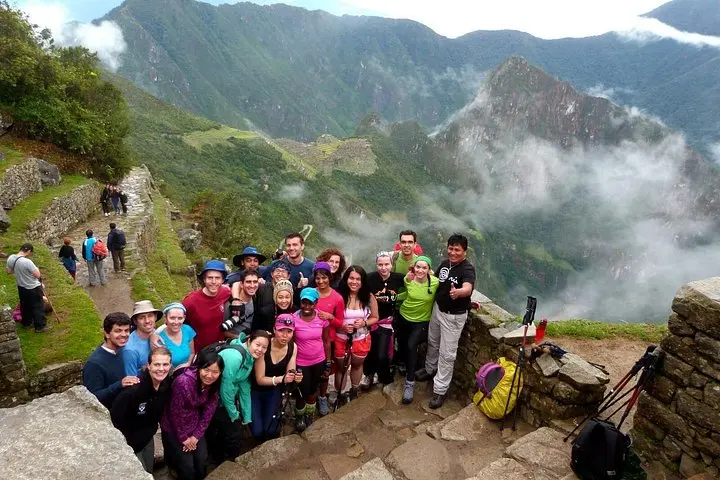
The trail wakes before you do: a thin blue light threads through eucalyptus and queñual trees as your group assembles at KM 82. Stone steps worn smooth by centuries of feet lead upward, the air growing thinner and cooler with each switchback. By midmorning the valley exhales a humid, green breath; by midday the ridgelines slice the sky and the sun pries clouds from the peaks.
The trail wakes before you do: a thin blue light threads through eucalyptus and queñual trees as your group assembles at KM 82. Stone steps worn smooth by centuries of feet lead upward, the air growing thinner and cooler with each switchback. By midmorning the valley exhales a humid, green breath; by midday the ridgelines slice the sky and the sun pries clouds from the peaks.
This four-day route follows original Inca causeways and connects a chain of archaeological sites — Patallacta, Runcurakay, Sayacmarca, and Wiñayhuayna — built during the 15th century when the Inca network stitched the Andes together. Geologically the route crosses the eastern flank of the high Andes into the cloud forest, a dramatic change from glacially carved valleys to thick moss and orchids clinging to cliffs.
Local Quechua communities, porters, and cooks maintain this living corridor; coca tea and hearty soups are part of the cultural rhythm. The Dead Woman’s Pass (4,215 m) is the trek’s fulcrum — a steep, breath-stealing climb rewarded by wide Andean vistas.
Practical guidance: acclimatize 48–72 hours in Cusco before departing, carry a daypack with 2–3 liters of water, layered clothing for temperature swings, and sturdy boots with good traction. Trekking poles ease steep descents; a headlamp is useful for dawn starts. Permits and Machu Picchu entry are included with guided itineraries but remain limited — book early. Expect 4 days of camping with foam mattresses provided, early mornings, and the payoff: emerging at Inti Punku for the first glimpse of Machu Picchu as the valley below unfolds.