THE ADVENTURE COLLECTIVE® · Independent discovery and booking for outdoor travel

A four-day walk along the original Inca caminos, this classic trek climbs high passes, crosses cloud forest, and finishes with sunrise at Machu Picchu. Expect demanding ascents, varied terrain, and a well-supported camping experience.
A four-day walk along the original Inca caminos, this classic trek climbs high passes, crosses cloud forest, and finishes with sunrise at Machu Picchu. Expect demanding ascents, varied terrain, and a well-supported camping experience.
The morning air off the Urubamba River bites cool as your group assembles at Km 82; boots crunch gravel, porters fold tarps, and the trail ahead climbs into the high Andes. On day one the path threads terraced hills and scattered ruins—Inca stone that still fits together without mortar—giving way to thin air and sustained ascent.
Verified experiences and guided adventures in the surrounding area.
Operated by Danzak Peru Travel · Aguas Calientes, Cusco
The morning air off the Urubamba River bites cool as your group assembles at Km 82; boots crunch gravel, porters fold tarps, and the trail ahead climbs into the high Andes. On day one the path threads terraced hills and scattered ruins—Inca stone that still fits together without mortar—giving way to thin air and sustained ascent.
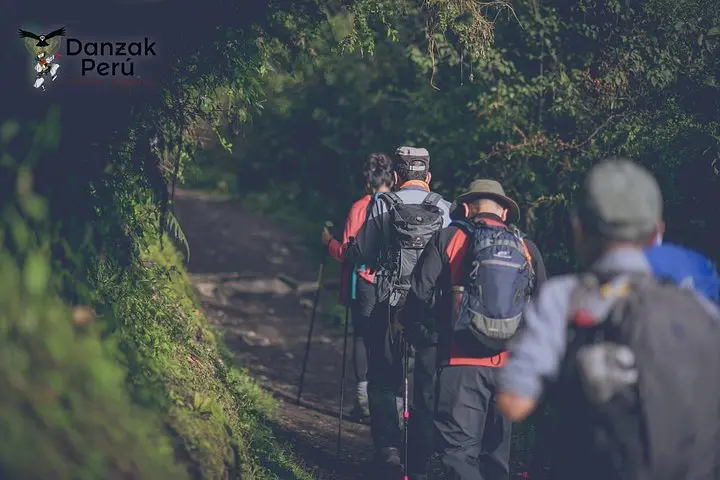
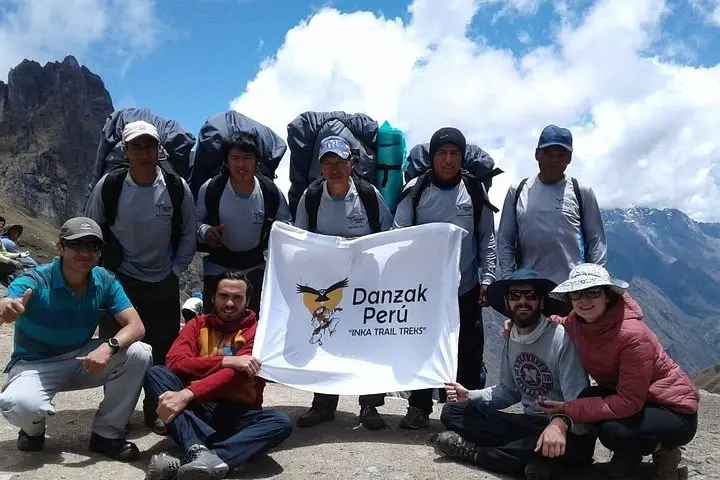
This is the original roadway of an empire: some 22,000 km of Inca caminos that once linked villages and temples across Peru. Geology here is sharp—glacially carved valleys, granite ridgelines, and the volcanic shoulders of the Vilcabamba range—so each step alternates between compacted switchbacks and loose scree. Culture arrives in the form of coca leaf rituals, Quechua place names, and the layered skill of cooks and porters who keep the caravan moving.
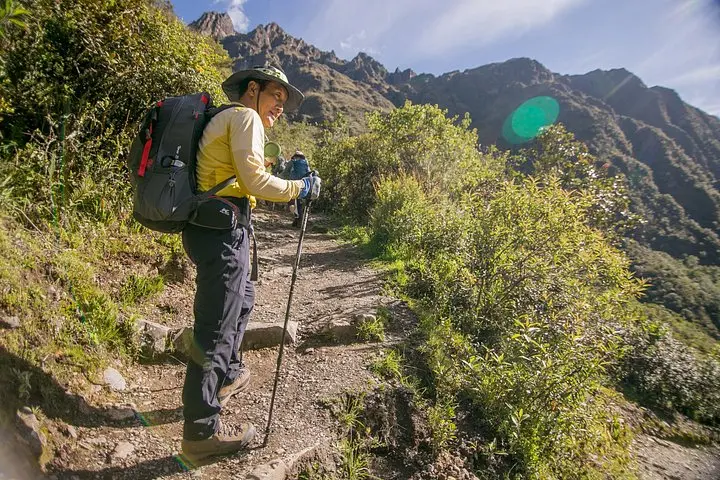
Expect four distinct days: a steady warm-up to Ayapata, a demanding summit at Dead Woman’s Pass (4,215 m), a traverse into cloud forest with dramatic views of Salkantay and the Urubamba, and the final sunrise at Inti Punku before Machu Picchu unfolds.
Practical guidance: acclimatize in Cusco for 48–72 hours, carry a gradual-break-in pack, and plan for wide temperature swings—sun at 3,000 m, near-freezing nights. Hydrate, pace for altitude, and respect campsite quiet hours. The trek is well-supported with porters, a cook, and permits, but physical readiness is essential. Arrive with a valid passport and layered clothing; the trail will test your legs and reward you with one of the most cinematic approaches to an archaeological wonder.
Yes—permits are required and limited; they are tied to names and passport numbers and must be booked in advance.
It’s the toughest single day—steep climbs to 4,215 m with long descents—expect 4–6 hours of sustained effort that day.
Travelers should have moderate to strong fitness and no serious heart or spinal conditions; acclimatization is recommended.
Guides typically speak Spanish and English; confirm language needs when booking.
Danzak Peru Travel operates guided outdoor trips and adventures with an emphasis on safety, stewardship, and memorable experiences.
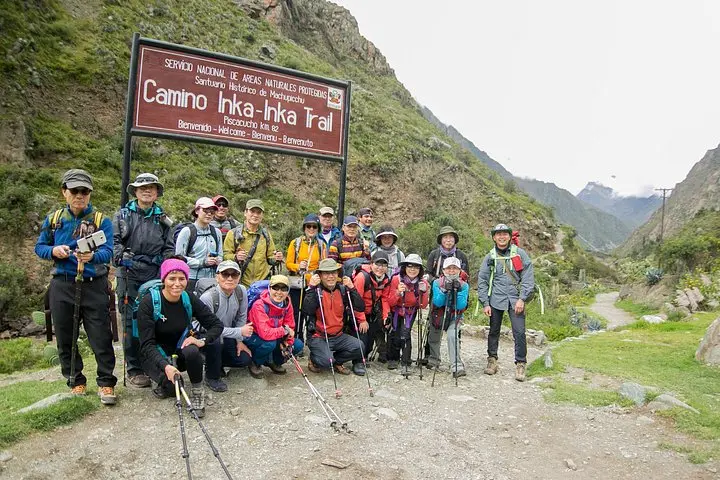
The morning air off the Urubamba River bites cool as your group assembles at Km 82; boots crunch gravel, porters fold tarps, and the trail ahead climbs into the high Andes. On day one the path threads terraced hills and scattered ruins—Inca stone that still fits together without mortar—giving way to thin air and sustained ascent.
The morning air off the Urubamba River bites cool as your group assembles at Km 82; boots crunch gravel, porters fold tarps, and the trail ahead climbs into the high Andes. On day one the path threads terraced hills and scattered ruins—Inca stone that still fits together without mortar—giving way to thin air and sustained ascent.
This is the original roadway of an empire: some 22,000 km of Inca caminos that once linked villages and temples across Peru. Geology here is sharp—glacially carved valleys, granite ridgelines, and the volcanic shoulders of the Vilcabamba range—so each step alternates between compacted switchbacks and loose scree. Culture arrives in the form of coca leaf rituals, Quechua place names, and the layered skill of cooks and porters who keep the caravan moving.
Expect four distinct days: a steady warm-up to Ayapata, a demanding summit at Dead Woman’s Pass (4,215 m), a traverse into cloud forest with dramatic views of Salkantay and the Urubamba, and the final sunrise at Inti Punku before Machu Picchu unfolds.
Practical guidance: acclimatize in Cusco for 48–72 hours, carry a gradual-break-in pack, and plan for wide temperature swings—sun at 3,000 m, near-freezing nights. Hydrate, pace for altitude, and respect campsite quiet hours. The trek is well-supported with porters, a cook, and permits, but physical readiness is essential. Arrive with a valid passport and layered clothing; the trail will test your legs and reward you with one of the most cinematic approaches to an archaeological wonder.