THE ADVENTURE COLLECTIVE® · Independent discovery and booking for outdoor travel

A six-day circuit through Bhutan’s most iconic valleys and dzongs, this tour pairs cultural immersion with short mountain hikes—highlighted by the strenuous climb to Taktsang (Tiger’s Nest). Expect dramatic vistas, living monastery culture, and purposeful travel etiquette.
A six-day circuit through Bhutan’s most iconic valleys and dzongs, this tour pairs cultural immersion with short mountain hikes—highlighted by the strenuous climb to Taktsang (Tiger’s Nest). Expect dramatic vistas, living monastery culture, and purposeful travel etiquette.
You step off the plane into a bowl of mountain air: the Paro valley opens like a page of weathered maps, cliff faces slashed by prayer flags and river channels cutting down toward rice terraces. Your guide waits; a low, constant hum of monastery bells follows you through switchbacks as the road climbs toward Thimphu.
Verified experiences and guided adventures in the surrounding area.
Operated by Travel China Guide · Paro, Paro District
You step off the plane into a bowl of mountain air: the Paro valley opens like a page of weathered maps, cliff faces slashed by prayer flags and river channels cutting down toward rice terraces. Your guide waits; a low, constant hum of monastery bells follows you through switchbacks as the road climbs toward Thimphu.
This six-day circuit threads Bhutan’s cultural spine. The fortified dzongs—administrative and spiritual centers dating from the 17th century—perch above river confluences, while Kyichu Lhakhang traces back to the 7th-century spread of Buddhism. Geology is visible everywhere: folded Himalayan limestones, steep valleys carved by melting glaciers, and the Pho Chu and Mo Chu rivers that push stubbornly toward the plains.
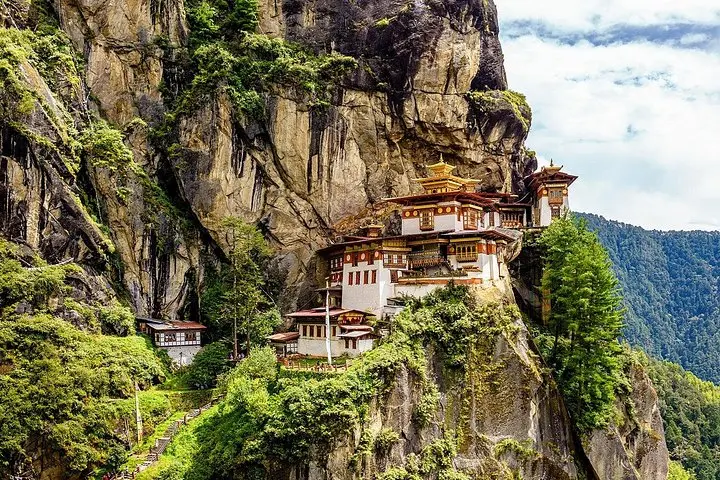
Days alternate easy drives and short, purposeful hikes: a steep hour to Chagri Dorjeden, a strenuous 2–3 hour ascent to Taktsang (Tiger’s Nest) clinging 900 meters above Paro Valley, and gentle walks in Punakha where the longest suspension bridge frames emerald currents. Along the way, farmhouse visits and craft schools expose daily life and Bhutan’s intentional cultural preservation.
Practical edge: plan for rapid weather swings and elevation gain; the Taktsang climb is demanding on lungs and knees. Dress modestly at religious sites, carry small cash in case card machines fail, and allow time for acclimatization in Thimphu before higher passes. Travel here rewards patience—clear mornings give Himalayan vistas, while cloudy afternoons reveal the quiet rhythms of villages tucked into terraced slopes.
Yes—this tour includes the single-entry Bhutan visa fee as part of the package.
The trail is steep with 2–3 hours of climbing from the trailhead; good fitness and steady pacing are required, with rest stops available at teahouses.
Bhutanese ngultrum and Indian rupees are accepted locally; tipping guides and drivers is customary—small, discrete amounts are typical.
Yes—visits to cultural sites and the visa policy require licensed local guides, who are included in the tour.
Travel China Guide operates guided outdoor trips and adventures with an emphasis on safety, stewardship, and memorable experiences.
You step off the plane into a bowl of mountain air: the Paro valley opens like a page of weathered maps, cliff faces slashed by prayer flags and river channels cutting down toward rice terraces. Your guide waits; a low, constant hum of monastery bells follows you through switchbacks as the road climbs toward Thimphu.
You step off the plane into a bowl of mountain air: the Paro valley opens like a page of weathered maps, cliff faces slashed by prayer flags and river channels cutting down toward rice terraces. Your guide waits; a low, constant hum of monastery bells follows you through switchbacks as the road climbs toward Thimphu.
This six-day circuit threads Bhutan’s cultural spine. The fortified dzongs—administrative and spiritual centers dating from the 17th century—perch above river confluences, while Kyichu Lhakhang traces back to the 7th-century spread of Buddhism. Geology is visible everywhere: folded Himalayan limestones, steep valleys carved by melting glaciers, and the Pho Chu and Mo Chu rivers that push stubbornly toward the plains.
Days alternate easy drives and short, purposeful hikes: a steep hour to Chagri Dorjeden, a strenuous 2–3 hour ascent to Taktsang (Tiger’s Nest) clinging 900 meters above Paro Valley, and gentle walks in Punakha where the longest suspension bridge frames emerald currents. Along the way, farmhouse visits and craft schools expose daily life and Bhutan’s intentional cultural preservation.
Practical edge: plan for rapid weather swings and elevation gain; the Taktsang climb is demanding on lungs and knees. Dress modestly at religious sites, carry small cash in case card machines fail, and allow time for acclimatization in Thimphu before higher passes. Travel here rewards patience—clear mornings give Himalayan vistas, while cloudy afternoons reveal the quiet rhythms of villages tucked into terraced slopes.