THE ADVENTURE COLLECTIVE® · Independent discovery and booking for outdoor travel

From Roman colonnades to Martian deserts and the buoyant shore of the Dead Sea, this private six-day circuit of Jordan compresses the country’s best into a single, manageable loop. Ideal for travelers who want structure and freedom—hotels and entrance fees are not included.
From Roman colonnades to Martian deserts and the buoyant shore of the Dead Sea, this private six-day circuit of Jordan compresses the country’s best into a single, manageable loop. Ideal for travelers who want structure and freedom—hotels and entrance fees are not included.
A shuttle from Queen Alia Airport pulls away from a ring of low hills and the hills themselves seem to fold back to reveal the city—white concrete stacked along ancient ridgelines. A local guide waits at the terminal, a placard held high; the driver loads water and a taste of the itinerary: Jerash’s colonnades, the mosaic streets of Madaba, the carved red chambers of Petra, the moonlike bowls of Wadi Rum, and the buoyant quiet of the Dead Sea.
Verified experiences and guided adventures in the surrounding area.
Operated by Petra Nights Tours Jordan · Amman, Amman Governorate
A shuttle from Queen Alia Airport pulls away from a ring of low hills and the hills themselves seem to fold back to reveal the city—white concrete stacked along ancient ridgelines. A local guide waits at the terminal, a placard held high; the driver loads water and a taste of the itinerary: Jerash’s colonnades, the mosaic streets of Madaba, the carved red chambers of Petra, the moonlike bowls of Wadi Rum, and the buoyant quiet of the Dead Sea.
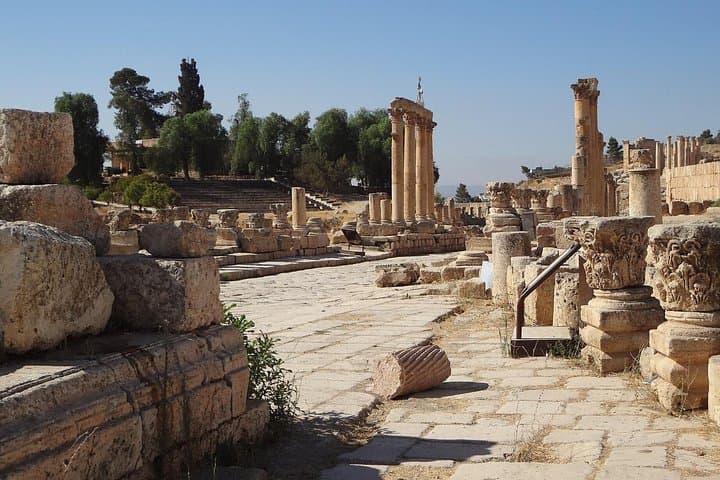
Across six days the landscape changes like chapters. North of Amman, Jerash still carries the Roman voice: broad forums and a colonnaded cardo that sternly frames an amphitheater where shadows of ancient traffic linger. Southward, the limestone hills give way to basalt and sandstone—the geology of Petra’s Siq is a study in layered erosion where narrow walls funnel light onto rose-colored carvings.
Madaba’s Byzantine mosaics map an older geography in tesserae; Kerak’s Crusader fortress announces the strategic pulse of the King's Way as a band of medieval stone. Wadi Rum is a different language—wind and time have written arches and bridges in sandstone, and the desert, patient and exacting, rearranges sand each season. The Dead Sea, the lowest point on earth, pushes back physically: its salinity buoyantly suspends swimmers and pulls a heavy silence over the shoreline.
Culturally, the trip threads Bedouin hospitality with urban Jordanian bustle. Guides and drivers are local storytellers, and asking about local customs—how to greet, when to accept tea—opens doors in souks and tents alike. Practically, this package is private, transfers and an English-speaking driver with WiFi and bottled water are included, but hotels and entrance fees are not. That freedom means booking preferred hotels and buying site tickets in advance during high season.
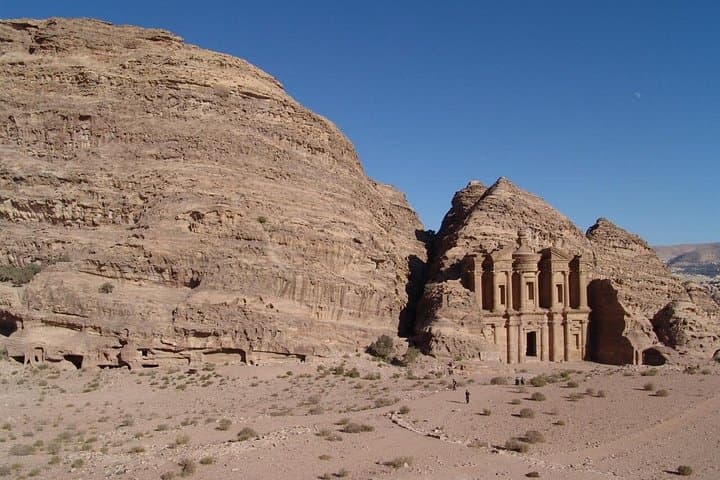
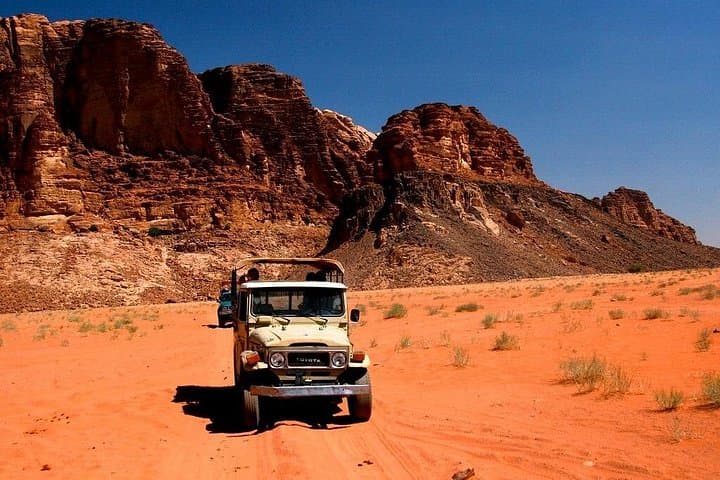
Timing matters: start Petra at first light if possible (hotels can arrange breakfast boxes), and plan cooler morning hours for the 800-step climb to El Deir. Wadi Rum jeeps are often older 4x4s without AC or seat belts; pack layers and brace for potholes and dust. At the Dead Sea, limit soaking to 20–30 minutes and rinse thoroughly afterward; cut on-the-spot shaving and avoid splashing eyes. Health limitations apply: the itinerary recommends moderate fitness and is not advised for pregnant travelers or those with serious heart problems.
Logistics tips: carry cash for small vendors, bring a refillable bottle and sun protection, and allow flexibility—weather or local events can alter routes. On balance, this six-day loop is a concentrated primer on Jordan: an itinerary that rewards walkers and curious travelers with cinematic landscapes, living history, and practical travel rhythms that make exploration both possible and memorable.
No—this tour omits hotels and site entrance fees to give you flexibility; purchase Petra and other tickets in advance during peak season.
You can start as early as 06:00—request a breakfast box from your hotel the night before to maximize cool, crowd-free hours.
Drivers are experienced locals, but vehicles may be older 4x4s without AC or seat belts; follow your driver's guidance and secure belongings.
The operator advises against participation for pregnant travelers; consult your physician before booking.
A moderate level of fitness is recommended—expect walking on uneven surfaces and optional strenuous climbs such as the Monastery's 800 steps.
Tipping is customary for guides and drivers; small amounts in local currency are appreciated and common practice.
Petra Nights Tours Jordan operates guided outdoor trips and adventures with an emphasis on safety, stewardship, and memorable experiences.
A shuttle from Queen Alia Airport pulls away from a ring of low hills and the hills themselves seem to fold back to reveal the city—white concrete stacked along ancient ridgelines. A local guide waits at the terminal, a placard held high; the driver loads water and a taste of the itinerary: Jerash’s colonnades, the mosaic streets of Madaba, the carved red chambers of Petra, the moonlike bowls of Wadi Rum, and the buoyant quiet of the Dead Sea.
A shuttle from Queen Alia Airport pulls away from a ring of low hills and the hills themselves seem to fold back to reveal the city—white concrete stacked along ancient ridgelines. A local guide waits at the terminal, a placard held high; the driver loads water and a taste of the itinerary: Jerash’s colonnades, the mosaic streets of Madaba, the carved red chambers of Petra, the moonlike bowls of Wadi Rum, and the buoyant quiet of the Dead Sea.
Across six days the landscape changes like chapters. North of Amman, Jerash still carries the Roman voice: broad forums and a colonnaded cardo that sternly frames an amphitheater where shadows of ancient traffic linger. Southward, the limestone hills give way to basalt and sandstone—the geology of Petra’s Siq is a study in layered erosion where narrow walls funnel light onto rose-colored carvings.
Madaba’s Byzantine mosaics map an older geography in tesserae; Kerak’s Crusader fortress announces the strategic pulse of the King's Way as a band of medieval stone. Wadi Rum is a different language—wind and time have written arches and bridges in sandstone, and the desert, patient and exacting, rearranges sand each season. The Dead Sea, the lowest point on earth, pushes back physically: its salinity buoyantly suspends swimmers and pulls a heavy silence over the shoreline.
Culturally, the trip threads Bedouin hospitality with urban Jordanian bustle. Guides and drivers are local storytellers, and asking about local customs—how to greet, when to accept tea—opens doors in souks and tents alike. Practically, this package is private, transfers and an English-speaking driver with WiFi and bottled water are included, but hotels and entrance fees are not. That freedom means booking preferred hotels and buying site tickets in advance during high season.
Timing matters: start Petra at first light if possible (hotels can arrange breakfast boxes), and plan cooler morning hours for the 800-step climb to El Deir. Wadi Rum jeeps are often older 4x4s without AC or seat belts; pack layers and brace for potholes and dust. At the Dead Sea, limit soaking to 20–30 minutes and rinse thoroughly afterward; cut on-the-spot shaving and avoid splashing eyes. Health limitations apply: the itinerary recommends moderate fitness and is not advised for pregnant travelers or those with serious heart problems.
Logistics tips: carry cash for small vendors, bring a refillable bottle and sun protection, and allow flexibility—weather or local events can alter routes. On balance, this six-day loop is a concentrated primer on Jordan: an itinerary that rewards walkers and curious travelers with cinematic landscapes, living history, and practical travel rhythms that make exploration both possible and memorable.