THE ADVENTURE COLLECTIVE® · Independent discovery and booking for outdoor travel

An eight-day loop through western Uganda that pairs Kibale chimp habituation and forest walks with Queen Elizabeth’s game drives, a Kazinga Channel cruise, and the life-changing gorilla trek in Bwindi. Practical notes on terrain, timing and what to pack.
An eight-day loop through western Uganda that pairs Kibale chimp habituation and forest walks with Queen Elizabeth’s game drives, a Kazinga Channel cruise, and the life-changing gorilla trek in Bwindi. Practical notes on terrain, timing and what to pack.
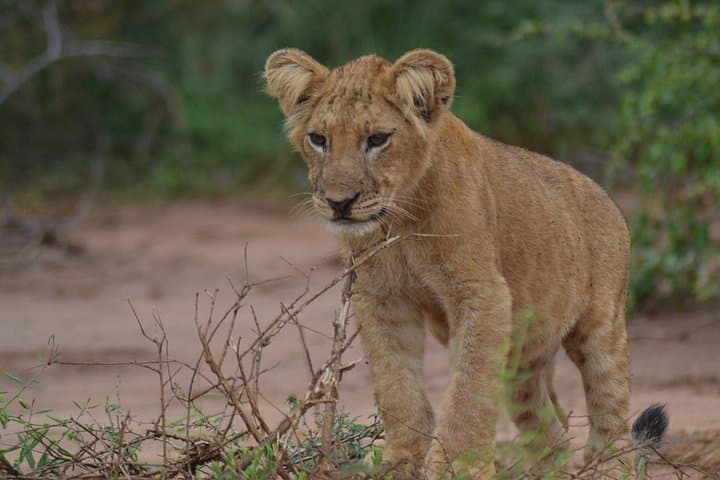
You step out of the air-conditioned vehicle and the air changes—humid, green, and full of small, urgent bird calls. Early morning fog still clings to slopes as your guide points up a moss-dark ridge; somewhere above, a silverback moves through bamboo. This is Bwindi and western Uganda on a primate-focused route that moves from the lakeshore of Entebbe through Kibale’s chimp-rich forest to the wide plains and waterways of Queen Elizabeth National Park.
Verified experiences and guided adventures in the surrounding area.
Operated by African Finfoot Safaris Uganda · Buhoma, Southwestern Region
You step out of the air-conditioned vehicle and the air changes—humid, green, and full of small, urgent bird calls. Early morning fog still clings to slopes as your guide points up a moss-dark ridge; somewhere above, a silverback moves through bamboo. This is Bwindi and western Uganda on a primate-focused route that moves from the lakeshore of Entebbe through Kibale’s chimp-rich forest to the wide plains and waterways of Queen Elizabeth National Park.
The region’s history is written in volcanic craters and Rift-related lakes: crater rims around Fort Portal, the shallow Kazinga Channel linking Lake George and Lake Edward, and the steep valleys that feed Bwindi’s cloud-wetted slopes. Local Bakiga and Batoro communities maintain a long relationship with these forests—agriculture, folklore and craft tie village life to primate habitats.
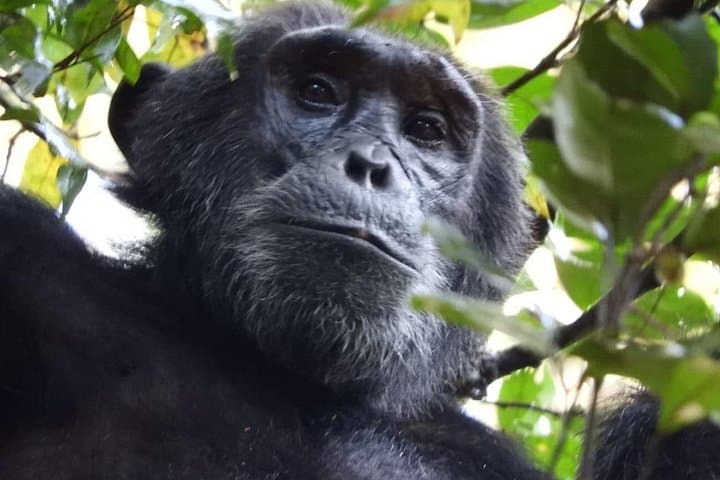
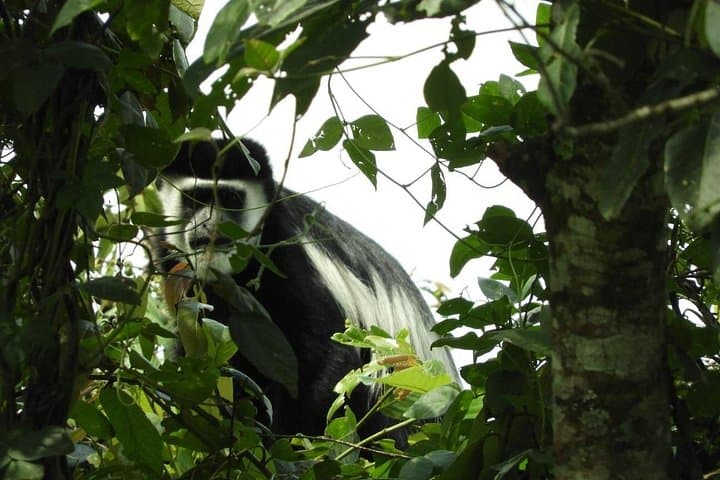
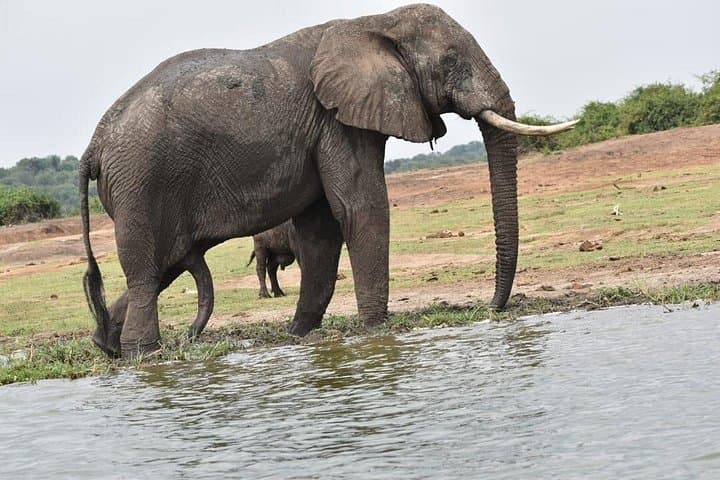
Expect varied terrain: lowland tropical trails in Kibale, muddy, steep, root-strewn slopes in Bwindi with elevation changes commonly of several hundred meters during a trek. Gorilla treks typically take 2–6 hours (sometimes longer), reward with a one-hour close observation window, and require steady footing on slippery trails. Chimp habituation in Kibale can be a dawn-to-dusk, physically intermittent experience. A Kazinga Channel cruise (about 2 hours typically) showcases hippos and shore birds along a 36 km water corridor.
Practical guidance: secure permits in advance, bring gaiters and waterproof layers, train with regular hill walks, and pack insect repellent and water purification options. Move quietly, follow ranger instructions, and allow the forest and its primates to set the pace.
Yes—gorilla permits are required and allocated per person; they must be purchased in advance through authorized channels.
Trekking can be physically demanding depending on gorilla location—expect several hours on steep, muddy trails; moderate-to-high fitness is recommended.
Chimp habituation can be long and includes periods of standing and walking; participants should be fit and prepared for a flexible, full-day schedule.
Bring anti-malarial advice from a physician, up-to-date routine vaccinations, and travel medical insurance; avoid close contact with primates if you are ill.
African Finfoot Safaris Uganda operates guided outdoor trips and adventures with an emphasis on safety, stewardship, and memorable experiences.
You step out of the air-conditioned vehicle and the air changes—humid, green, and full of small, urgent bird calls. Early morning fog still clings to slopes as your guide points up a moss-dark ridge; somewhere above, a silverback moves through bamboo. This is Bwindi and western Uganda on a primate-focused route that moves from the lakeshore of Entebbe through Kibale’s chimp-rich forest to the wide plains and waterways of Queen Elizabeth National Park.
You step out of the air-conditioned vehicle and the air changes—humid, green, and full of small, urgent bird calls. Early morning fog still clings to slopes as your guide points up a moss-dark ridge; somewhere above, a silverback moves through bamboo. This is Bwindi and western Uganda on a primate-focused route that moves from the lakeshore of Entebbe through Kibale’s chimp-rich forest to the wide plains and waterways of Queen Elizabeth National Park.
The region’s history is written in volcanic craters and Rift-related lakes: crater rims around Fort Portal, the shallow Kazinga Channel linking Lake George and Lake Edward, and the steep valleys that feed Bwindi’s cloud-wetted slopes. Local Bakiga and Batoro communities maintain a long relationship with these forests—agriculture, folklore and craft tie village life to primate habitats.
Expect varied terrain: lowland tropical trails in Kibale, muddy, steep, root-strewn slopes in Bwindi with elevation changes commonly of several hundred meters during a trek. Gorilla treks typically take 2–6 hours (sometimes longer), reward with a one-hour close observation window, and require steady footing on slippery trails. Chimp habituation in Kibale can be a dawn-to-dusk, physically intermittent experience. A Kazinga Channel cruise (about 2 hours typically) showcases hippos and shore birds along a 36 km water corridor.
Practical guidance: secure permits in advance, bring gaiters and waterproof layers, train with regular hill walks, and pack insect repellent and water purification options. Move quietly, follow ranger instructions, and allow the forest and its primates to set the pace.