THE ADVENTURE COLLECTIVE® · Independent discovery and booking for outdoor travel

A five-day trek to Choquequirao follows high Inca trails down into the Apurímac canyon and up to a vast, less-visited archaeological complex. Expect hard ascents, mule support, camp dining and immersive Andean culture.
A five-day trek to Choquequirao follows high Inca trails down into the Apurímac canyon and up to a vast, less-visited archaeological complex. Expect hard ascents, mule support, camp dining and immersive Andean culture.
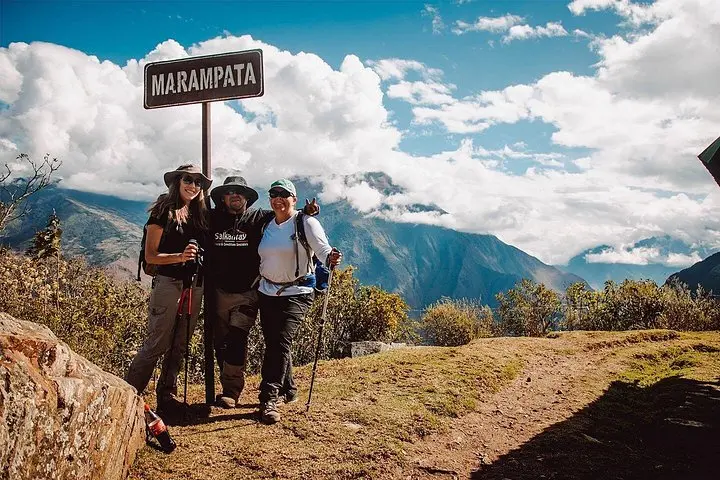
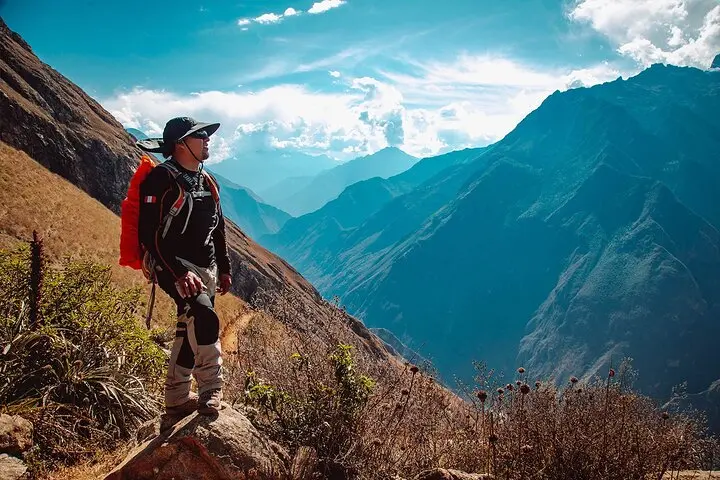
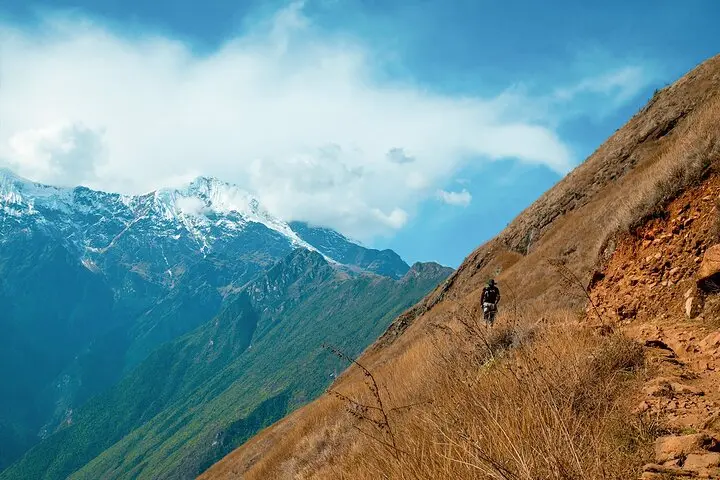
Dawn breaks over Cusco and the air smells of wood smoke and hot tea. By 4:30 a.m. a small convoy threads up the highway toward Cachora, and the Andean ridgelines roll out like chapters ahead of you. The trail drops hard into the Apurímac canyon, then climbs again through dry river terraces, cloud forest and puna, each band of vegetation announcing a new day on the route.
Verified experiences and guided adventures in the surrounding area.
Operated by Salkantay Trekking · Cusco, Cusco Region
Dawn breaks over Cusco and the air smells of wood smoke and hot tea. By 4:30 a.m. a small convoy threads up the highway toward Cachora, and the Andean ridgelines roll out like chapters ahead of you. The trail drops hard into the Apurímac canyon, then climbs again through dry river terraces, cloud forest and puna, each band of vegetation announcing a new day on the route.
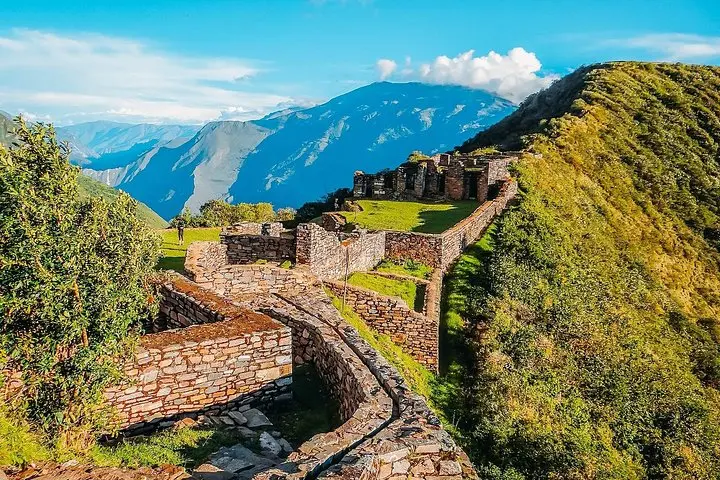
Choquequirao sits at roughly 3,050 m, carved into steep slopes above the Apurímac River. Larger but quieter than Machu Picchu, the complex preserves plazas, temples and agricultural terraces that reveal Inca engineering adapted to extreme topography. Geologically, the canyon is a deep incision through volcanic and sedimentary layers; the trail crosses talus, rocky switchbacks and occasional river crossings. Local Andean families maintain pastoral plots and the culture here remains strongly Quechua-speaking — guides often interpret traditions and the site's ritual significance, including carved white llama motifs and partially excavated quarters.
Practically: plan for five days of steady hiking with long ascents and descents, significant elevation change, and exposed sun on lower sections. Expect mule support, camp dining tents and a guide-led archaeological visit. Bring layered clothing for big temperature swings, a reliable water system and gaiters for dusty sections.
Timing your trek for the dry season reduces rain-related trail wear; allow at least two days in Cusco beforehand to acclimatize. This is a challenging, high-reward trek that puts you face-to-face with remote Inca history and a canyon that keeps its own pace.
You should have regular cardio conditioning and prior multi-day hiking experience; expect 6–10 hour walking days with long climbs and descents.
Yes—Choquequirao sits around 3,050 m; arriving in Cusco 48–72 hours earlier and hydrating helps; guides carry oxygen and first-aid supplies.
The trip includes camping (sleeping tents, inflatable mattresses), a dining tent, cook, muleteers and daily meals as listed in the itinerary.
Condors are regularly sighted over the Apurímac canyon, especially in early morning or late afternoon when thermals form.
Salkantay Trekking operates guided outdoor trips and adventures with an emphasis on safety, stewardship, and memorable experiences.
Dawn breaks over Cusco and the air smells of wood smoke and hot tea. By 4:30 a.m. a small convoy threads up the highway toward Cachora, and the Andean ridgelines roll out like chapters ahead of you. The trail drops hard into the Apurímac canyon, then climbs again through dry river terraces, cloud forest and puna, each band of vegetation announcing a new day on the route.
Dawn breaks over Cusco and the air smells of wood smoke and hot tea. By 4:30 a.m. a small convoy threads up the highway toward Cachora, and the Andean ridgelines roll out like chapters ahead of you. The trail drops hard into the Apurímac canyon, then climbs again through dry river terraces, cloud forest and puna, each band of vegetation announcing a new day on the route.
Choquequirao sits at roughly 3,050 m, carved into steep slopes above the Apurímac River. Larger but quieter than Machu Picchu, the complex preserves plazas, temples and agricultural terraces that reveal Inca engineering adapted to extreme topography. Geologically, the canyon is a deep incision through volcanic and sedimentary layers; the trail crosses talus, rocky switchbacks and occasional river crossings. Local Andean families maintain pastoral plots and the culture here remains strongly Quechua-speaking — guides often interpret traditions and the site's ritual significance, including carved white llama motifs and partially excavated quarters.
Practically: plan for five days of steady hiking with long ascents and descents, significant elevation change, and exposed sun on lower sections. Expect mule support, camp dining tents and a guide-led archaeological visit. Bring layered clothing for big temperature swings, a reliable water system and gaiters for dusty sections.
Timing your trek for the dry season reduces rain-related trail wear; allow at least two days in Cusco beforehand to acclimatize. This is a challenging, high-reward trek that puts you face-to-face with remote Inca history and a canyon that keeps its own pace.