THE ADVENTURE COLLECTIVE® · Independent discovery and booking for outdoor travel

Walk, ride and float between five cliffside villages where terraces hold vineyards and waves dare you near the rocks. This full-day Classic Cinque Terre route mixes coastal boats, regional trains and steep village paths for a compact taste of Liguria’s history, food and dramatic seaside geology.
Walk, ride and float between five cliffside villages where terraces hold vineyards and waves dare you near the rocks. This full-day Classic Cinque Terre route mixes coastal boats, regional trains and steep village paths for a compact taste of Liguria’s history, food and dramatic seaside geology.
Fog drains off the sea as the train slides into a slate-grey station and the first pastel facades come into view. On this Classic Cinque Terre route, travelers alternate between salt-sweet ocean air and the warm dust of terraced vineyards, moving by boat, train and foot to trace the jagged coastline threaded with medieval lanes.
Verified experiences and guided adventures in the surrounding area.
Operated by Veronica F. · Monterosso al Mare, Liguria
Fog drains off the sea as the train slides into a slate-grey station and the first pastel facades come into view. On this Classic Cinque Terre route, travelers alternate between salt-sweet ocean air and the warm dust of terraced vineyards, moving by boat, train and foot to trace the jagged coastline threaded with medieval lanes.
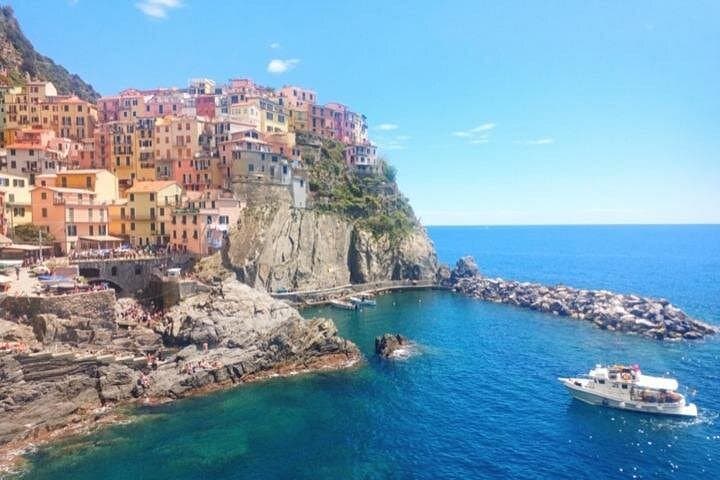
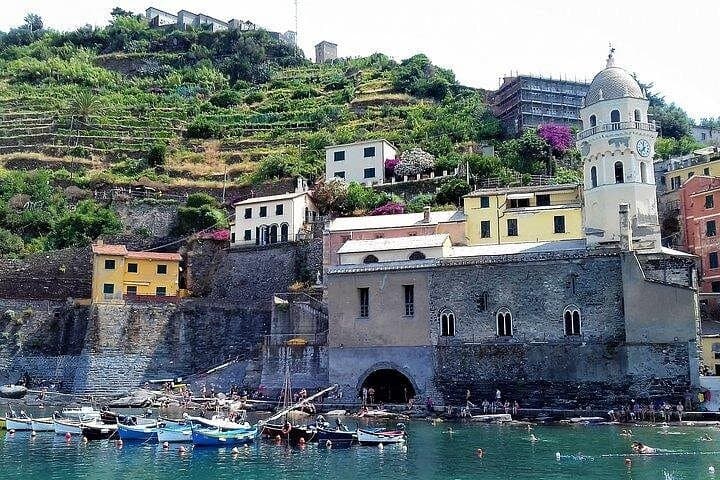
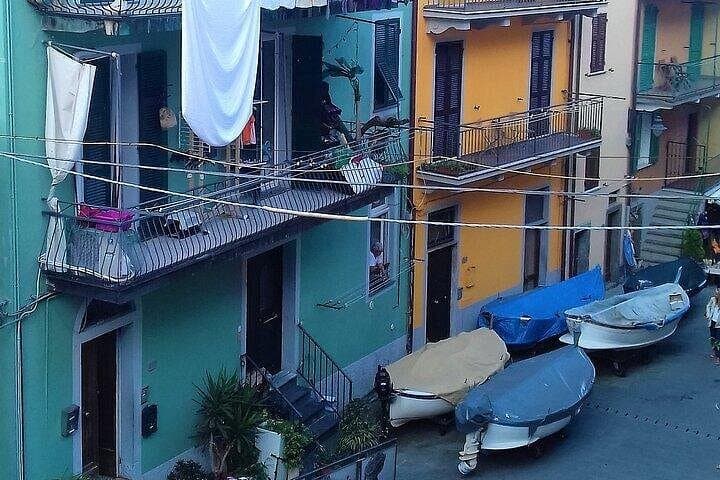
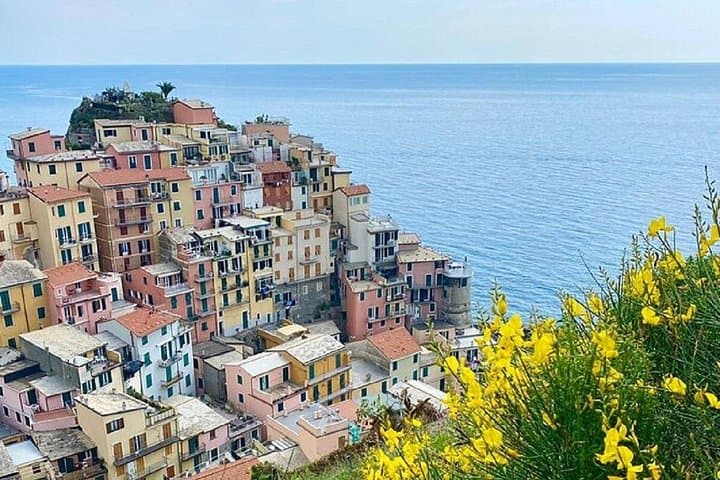
Geology here is aggressive: steep limestone and sandstone cliffs that drop to narrow coves, carved by centuries of waves and shepherded into terraces by dry-stone walls. Human stories are old and plain — fishing, small-scale viticulture, and coastal trade — and the villages keep those rhythms through seasonal markets and family-run trattorie. Culture shows in stone staircases, a bell tower’s toll, and the Ligurian focus on seafood, focaccia and local Sciacchetrà wines.
Practical travel: the shared full-day itinerary typically runs 6–7 hours with 6–10 km of walking spread across multiple short hikes and village strolls; expect several hundred meters of cumulative elevation gain and many steep steps. From Easter to October, boat segments add coastal perspective; in winter, trains replace boats. Buy regional train or regional boat tickets in advance on busy days, start early to avoid midday crowds, and reserve extra time for lunches or photo stops. Footwear with good grip is essential; carry water, sun protection and a lightweight rain layer. With a guide for local navigation and timing, this route balances easy village exploration with sharper stretches of trail, delivering both sweeping sea views and intimate cultural pockets.
The tour has many steps and uneven surfaces; children and older travelers who can handle repeated stair climbs and short hikes can participate, but those with mobility limits may prefer to remain in the villages and use trains only.
Transport tickets are typically excluded; the guide can advise and help purchase them on site—boats run seasonally, while trains operate year-round.
Yes, private tour options are often available on request for a more flexible pace or tailored village stops.
Try local focaccia, anchovy preparations, seafood dishes and a small glass of Sciacchetrà or local white wine; bring snacks if you have specific dietary needs.
Veronica F. operates guided outdoor trips and adventures with an emphasis on safety, stewardship, and memorable experiences.
Fog drains off the sea as the train slides into a slate-grey station and the first pastel facades come into view. On this Classic Cinque Terre route, travelers alternate between salt-sweet ocean air and the warm dust of terraced vineyards, moving by boat, train and foot to trace the jagged coastline threaded with medieval lanes.
Fog drains off the sea as the train slides into a slate-grey station and the first pastel facades come into view. On this Classic Cinque Terre route, travelers alternate between salt-sweet ocean air and the warm dust of terraced vineyards, moving by boat, train and foot to trace the jagged coastline threaded with medieval lanes.
Geology here is aggressive: steep limestone and sandstone cliffs that drop to narrow coves, carved by centuries of waves and shepherded into terraces by dry-stone walls. Human stories are old and plain — fishing, small-scale viticulture, and coastal trade — and the villages keep those rhythms through seasonal markets and family-run trattorie. Culture shows in stone staircases, a bell tower’s toll, and the Ligurian focus on seafood, focaccia and local Sciacchetrà wines.
Practical travel: the shared full-day itinerary typically runs 6–7 hours with 6–10 km of walking spread across multiple short hikes and village strolls; expect several hundred meters of cumulative elevation gain and many steep steps. From Easter to October, boat segments add coastal perspective; in winter, trains replace boats. Buy regional train or regional boat tickets in advance on busy days, start early to avoid midday crowds, and reserve extra time for lunches or photo stops. Footwear with good grip is essential; carry water, sun protection and a lightweight rain layer. With a guide for local navigation and timing, this route balances easy village exploration with sharper stretches of trail, delivering both sweeping sea views and intimate cultural pockets.