THE ADVENTURE COLLECTIVE® · Independent discovery and booking for outdoor travel

A four-day journey from Cusco that pairs a fast 55 km bike descent with jungle hikes, a hot-springs stop and a guided visit to Machu Picchu, finishing with a scenic train return to the Sacred Valley. Ideal for travelers who want variety—biking, hiking and cultural stops—on a single itinerary.
A four-day journey from Cusco that pairs a fast 55 km bike descent with jungle hikes, a hot-springs stop and a guided visit to Machu Picchu, finishing with a scenic train return to the Sacred Valley. Ideal for travelers who want variety—biking, hiking and cultural stops—on a single itinerary.
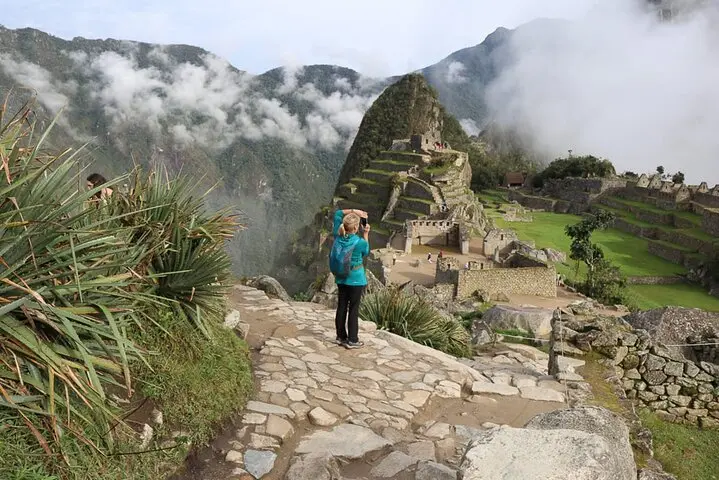
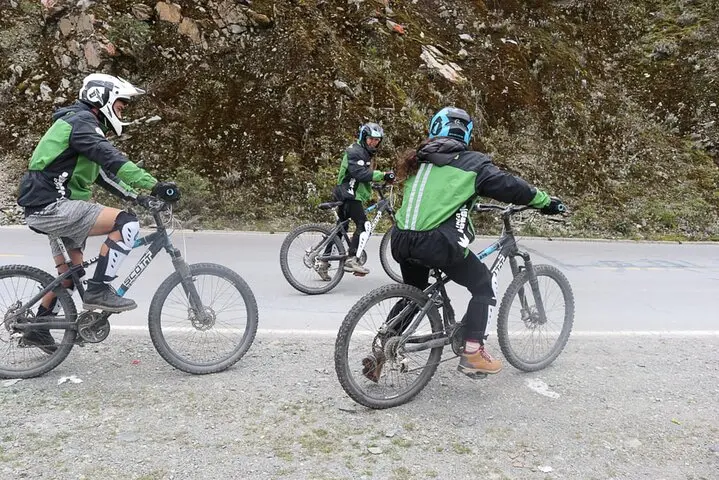
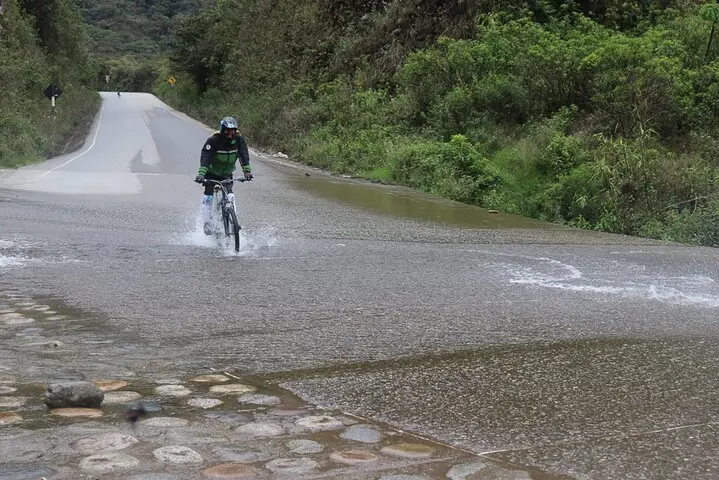
The first light over Abra Málaga cuts the Andes into ridges of slate and snow; you breathe thin air, then swap altitude for the rush of a 55 km mountain-bike descent that pushes you from high puna into humid cloud forest. Across four days, the route alternates steady downhill pedaling, jungle footpaths stitched with original Inca stone, rivers that dare you to slow down, and the final, ceremonial train ride out of Aguas Calientes.
Verified experiences and guided adventures in the surrounding area.
Operated by Haku Travel E.I.R.L · Cusco, Cusco
The first light over Abra Málaga cuts the Andes into ridges of slate and snow; you breathe thin air, then swap altitude for the rush of a 55 km mountain-bike descent that pushes you from high puna into humid cloud forest. Across four days, the route alternates steady downhill pedaling, jungle footpaths stitched with original Inca stone, rivers that dare you to slow down, and the final, ceremonial train ride out of Aguas Calientes.
This corridor links highland Quechua communities and colonial towns to pathways used by the Incas to move goods and people toward Machu Picchu. Geologically, the trek moves from glacially carved passes through steep, landslide-prone slopes into the younger, wetter foothills of the Amazon basin. Culturally, small Andean towns you pass—Ollantaytambo, Santa María, Santa Teresa—hold living traditions: terraced farms, coffee and coca plots, and local foodways that sustain the route.
Expect mixed terrain: gravel and dirt roads for the bike descent, narrow jungle trails for hikes (including a 7–11 km rail walk into Aguas Calientes), and short, steep sections to viewpoints like Llactapata. Daily elevation swings are large; the initial high-point at Abra Málaga sits above 4,300 m, then drops into 2,000–1,000 m ranges.
Practical notes: acclimatize in Cusco first, carry layered waterproof clothing, and plan for late-afternoon showers in the cloud forest. Guides handle logistics—train tickets, Machu Picchu entry (Circuit 2 if available)—but physical preparation, sun protection, and steady hydration make the difference between a tiring trip and an unforgettable descent into the jungle.
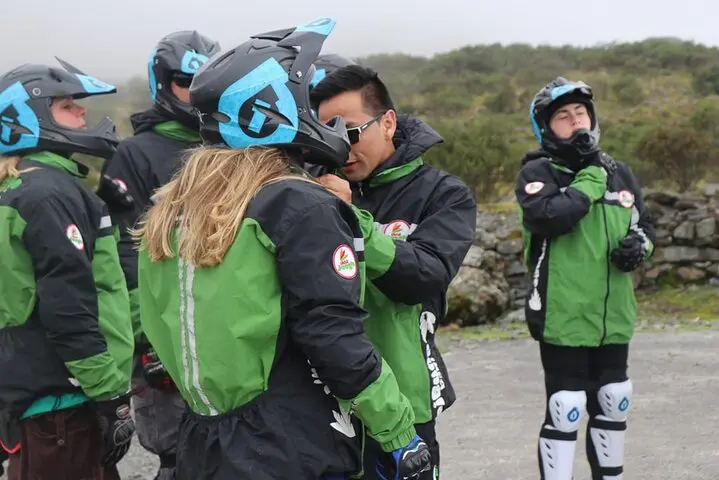
Basic mountain-biking skills and confidence on long descents are important; guides provide safety briefings and helmets, and the route includes paved and dirt sections.
Llactapata is a 2–3 hour uphill segment from Lucmabamba with steady climbing—moderate fitness is sufficient, but expect steep sections and uneven trail.
Yes, Machu Picchu entry is included (typically Circuit 2; if unavailable, Circuit 1 or 3 will be used depending on availability at booking).
Guides arrange transport for larger luggage; participants carry a small daypack for essentials while bikes and bulk bags travel by vehicle.
Haku Travel E.I.R.L operates guided outdoor trips and adventures with an emphasis on safety, stewardship, and memorable experiences.
The first light over Abra Málaga cuts the Andes into ridges of slate and snow; you breathe thin air, then swap altitude for the rush of a 55 km mountain-bike descent that pushes you from high puna into humid cloud forest. Across four days, the route alternates steady downhill pedaling, jungle footpaths stitched with original Inca stone, rivers that dare you to slow down, and the final, ceremonial train ride out of Aguas Calientes.
The first light over Abra Málaga cuts the Andes into ridges of slate and snow; you breathe thin air, then swap altitude for the rush of a 55 km mountain-bike descent that pushes you from high puna into humid cloud forest. Across four days, the route alternates steady downhill pedaling, jungle footpaths stitched with original Inca stone, rivers that dare you to slow down, and the final, ceremonial train ride out of Aguas Calientes.
This corridor links highland Quechua communities and colonial towns to pathways used by the Incas to move goods and people toward Machu Picchu. Geologically, the trek moves from glacially carved passes through steep, landslide-prone slopes into the younger, wetter foothills of the Amazon basin. Culturally, small Andean towns you pass—Ollantaytambo, Santa María, Santa Teresa—hold living traditions: terraced farms, coffee and coca plots, and local foodways that sustain the route.
Expect mixed terrain: gravel and dirt roads for the bike descent, narrow jungle trails for hikes (including a 7–11 km rail walk into Aguas Calientes), and short, steep sections to viewpoints like Llactapata. Daily elevation swings are large; the initial high-point at Abra Málaga sits above 4,300 m, then drops into 2,000–1,000 m ranges.
Practical notes: acclimatize in Cusco first, carry layered waterproof clothing, and plan for late-afternoon showers in the cloud forest. Guides handle logistics—train tickets, Machu Picchu entry (Circuit 2 if available)—but physical preparation, sun protection, and steady hydration make the difference between a tiring trip and an unforgettable descent into the jungle.