THE ADVENTURE COLLECTIVE® · Independent discovery and booking for outdoor travel

A four-day, 40 km march along original Inca caminos that finishes at Machu Picchu’s Sun Gate. Expect high passes (4,215 m), archaeological stops and camping with trail cooks — permits and guides included.
A four-day, 40 km march along original Inca caminos that finishes at Machu Picchu’s Sun Gate. Expect high passes (4,215 m), archaeological stops and camping with trail cooks — permits and guides included.
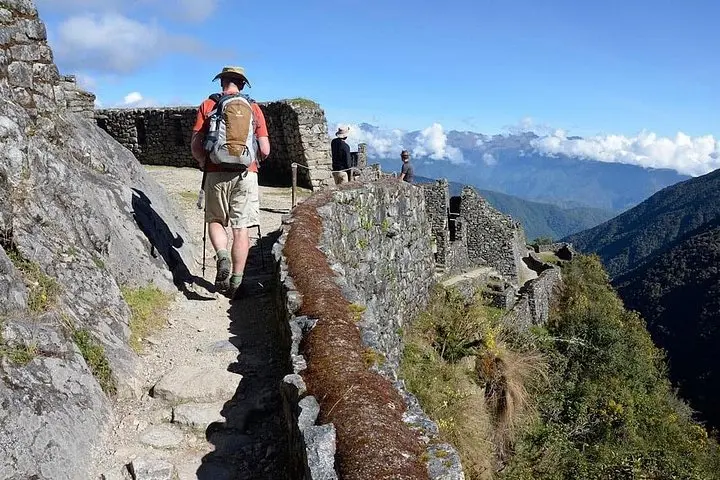
Dawn on day four arrives thin and silver above cloud-scraped ridges as the group moves toward the Puerta del Sol — the Sun Gate. Footsteps on ancient stone feel immediate and patient; the trail itself keeps its history close, stair after stair climbing through puna and cloud forest.
Verified experiences and guided adventures in the surrounding area.
Operated by Machu Picchu Terra · Cusco, Cusco Region
Dawn on day four arrives thin and silver above cloud-scraped ridges as the group moves toward the Puerta del Sol — the Sun Gate. Footsteps on ancient stone feel immediate and patient; the trail itself keeps its history close, stair after stair climbing through puna and cloud forest.
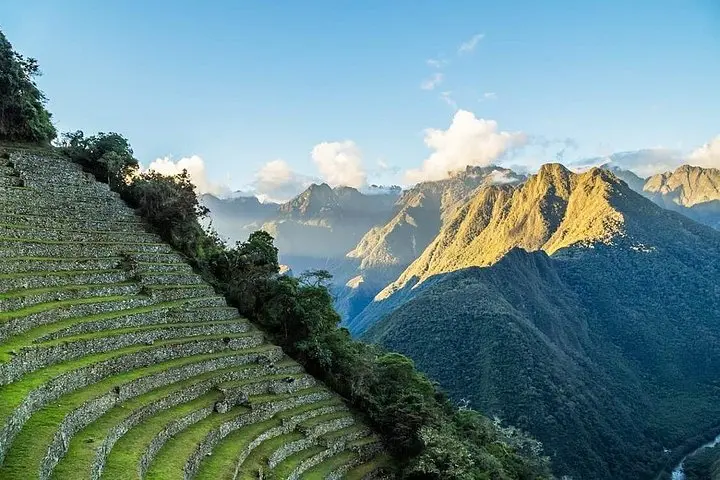
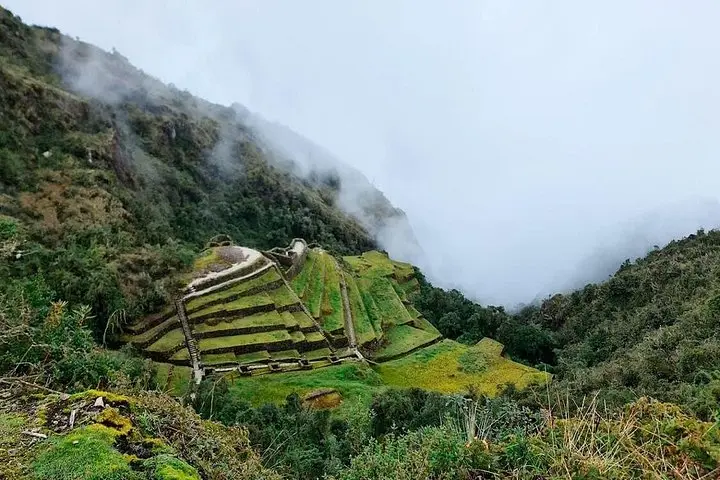
Built and maintained by the Incas, the Classic Inca Trail traces roughly 40 km of stone-paved caminos, connecting mountain passes, terraces and citadels. Geology shifts fast here: volcanic andesite cliffs give way to steep, eroded slopes and narrow river valleys that feed the Urubamba. Along the route, visitors pass Llactapata, Runkuracay, Sayacmarca, Phuyupatamarca and Wiñayhuayna before entering Machu Picchu through the Gate of the Sun, the same threshold used by Inca pilgrims centuries ago.
Local Quechua communities still shape valley life; porters, cooks and guides provide a living link to the trail and its traditions. Seasonal weather toggles the experience: clear, cold mornings in the dry season and brush-and-mist days in the wet months.
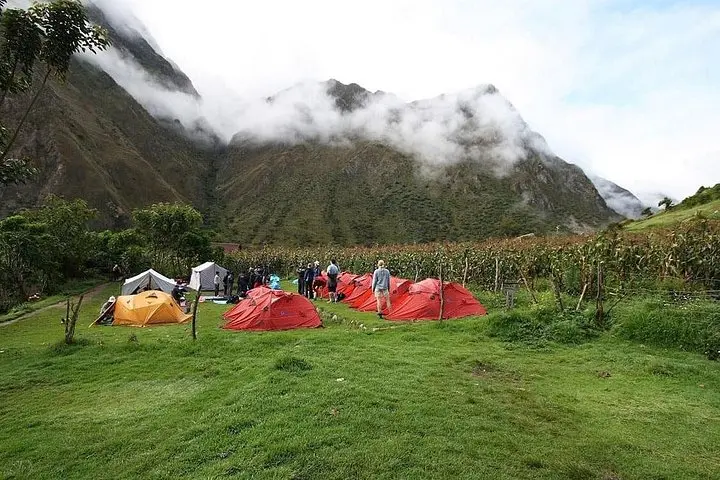
Practical guidance: the trail reaches a high point at Warmiwañusca (4,215 m), so plan at least 2–3 days in Cusco beforehand to acclimatize. The route mixes steep ascents, long stair descents and exposed passes—good footwear, layered clothing and a steady hydration plan are essential. Permits are limited and included in organized tours; book well in advance. Expect communal campsites, hearty meals prepared by trail cooks, and a final descent to the Machu Picchu sanctuary for a guided visit and return train to Ollantaytambo and Cusco.
It is a challenging multi-day trek with steep ascents (including the Warmiwañusca pass at 4,215 m) and long stair descents; moderate to strong fitness and acclimatization are required.
Licensed tour operators include permits, but they’re limited by daily quotas—book several months in advance, especially for peak season.
Yes — organized tours supply porters who carry communal camp gear; passengers typically carry only a daypack with personal items.
Camping is in designated sites with tent platforms; toilet facilities are basic or portable, and meals are prepared by trail cooks on-site.
Machu Picchu Terra operates guided outdoor trips and adventures with an emphasis on safety, stewardship, and memorable experiences.
Dawn on day four arrives thin and silver above cloud-scraped ridges as the group moves toward the Puerta del Sol — the Sun Gate. Footsteps on ancient stone feel immediate and patient; the trail itself keeps its history close, stair after stair climbing through puna and cloud forest.
Dawn on day four arrives thin and silver above cloud-scraped ridges as the group moves toward the Puerta del Sol — the Sun Gate. Footsteps on ancient stone feel immediate and patient; the trail itself keeps its history close, stair after stair climbing through puna and cloud forest.
Built and maintained by the Incas, the Classic Inca Trail traces roughly 40 km of stone-paved caminos, connecting mountain passes, terraces and citadels. Geology shifts fast here: volcanic andesite cliffs give way to steep, eroded slopes and narrow river valleys that feed the Urubamba. Along the route, visitors pass Llactapata, Runkuracay, Sayacmarca, Phuyupatamarca and Wiñayhuayna before entering Machu Picchu through the Gate of the Sun, the same threshold used by Inca pilgrims centuries ago.
Local Quechua communities still shape valley life; porters, cooks and guides provide a living link to the trail and its traditions. Seasonal weather toggles the experience: clear, cold mornings in the dry season and brush-and-mist days in the wet months.
Practical guidance: the trail reaches a high point at Warmiwañusca (4,215 m), so plan at least 2–3 days in Cusco beforehand to acclimatize. The route mixes steep ascents, long stair descents and exposed passes—good footwear, layered clothing and a steady hydration plan are essential. Permits are limited and included in organized tours; book well in advance. Expect communal campsites, hearty meals prepared by trail cooks, and a final descent to the Machu Picchu sanctuary for a guided visit and return train to Ollantaytambo and Cusco.