THE ADVENTURE COLLECTIVE® · Independent discovery and booking for outdoor travel

Walk the classic 4‑day Inca Trail from Km 82 to Machu Picchu, camping at official sites and passing major Inca checkpoints before sunrise at Intipunku. This guide covers what to expect on trail, altitude tips, daily distances and logistics for the Vistadome return.
Walk the classic 4‑day Inca Trail from Km 82 to Machu Picchu, camping at official sites and passing major Inca checkpoints before sunrise at Intipunku. This guide covers what to expect on trail, altitude tips, daily distances and logistics for the Vistadome return.
Dawn arrives cold and thin at the trailhead near Ollantaytambo; your group slips into the Andes where stone staircases angle into cloud forest and ancient terraces cling to ridgelines. Over four days the Inca Trail moves between microclimates — high puna grasslands that taste like winter air and humid, orchid-rich forest that holds its moisture like a secret. You sleep under canvas at official campsites, share meals prepared by a chef, and follow switchbacks past Patallacta, Runkuracay (the 3,900 m pass), Sayacmarca, Phuyupatamarca and Wiñayhuayna before emerging at Intipunku for the first view of Machu Picchu at sunrise.
Verified experiences and guided adventures in the surrounding area.
Operated by Kenko Adventures · Aguas Calientes (Machu Picchu Pueblo), Cusco Region
Dawn arrives cold and thin at the trailhead near Ollantaytambo; your group slips into the Andes where stone staircases angle into cloud forest and ancient terraces cling to ridgelines. Over four days the Inca Trail moves between microclimates — high puna grasslands that taste like winter air and humid, orchid-rich forest that holds its moisture like a secret. You sleep under canvas at official campsites, share meals prepared by a chef, and follow switchbacks past Patallacta, Runkuracay (the 3,900 m pass), Sayacmarca, Phuyupatamarca and Wiñayhuayna before emerging at Intipunku for the first view of Machu Picchu at sunrise.
The route is an engineered landscape: cutbed stairways, terraces and ritual platforms carved into volcanic andesite and river valleys shaped by glacial action. Indigenous Quechua culture remains present in markets, coca rituals and local porter communities that support the trek.
Practical edge: acclimatize in Cusco 48–72 hours to reduce altitude symptoms, bring a sleeping bag rated to at least -5°C, and practice a few long uphill hikes beforehand. Expect daily hiking of 6–10 miles with steep stone steps; the high point reaches ~3,900 m. Weather can switch from sun to heavy rain within an hour—layers and a waterproof shell are essential. Porters carry most gear (6 kg included); still pack a comfortable daypack, reliable boots, trekking poles and plenty of water. The return by Vistadome train from Aguas Calientes offers panoramic relief — sit back and let the valley slide past as your legs and memories settle.
Yes — the Inca Trail requires timed permits that sell out in high season; permits are managed by the Peruvian government and included by licensed operators in bookings.
The trail reaches about 3,900 m at Runkuracay pass; altitude affects people differently—acclimatize in Cusco and monitor symptoms, descending if serious signs appear.
This tour uses official campsites with private tents, hot shower services at camp, chef-prepared meals, porters (6 kg allowance), oxygen and first-aid support, and a Vistadome return train ticket.
Yes, if you reserve separate permits in advance; these hikes have limited daily tickets and require good fitness and additional time inside Machu Picchu.
Kenko Adventures operates guided outdoor trips and adventures with an emphasis on safety, stewardship, and memorable experiences.
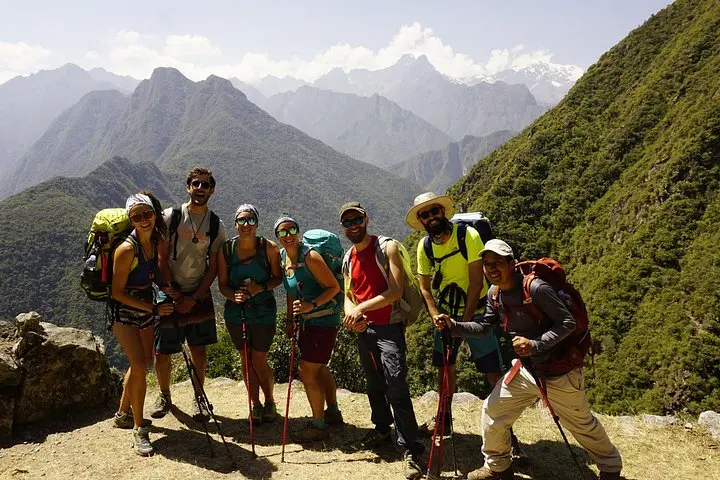
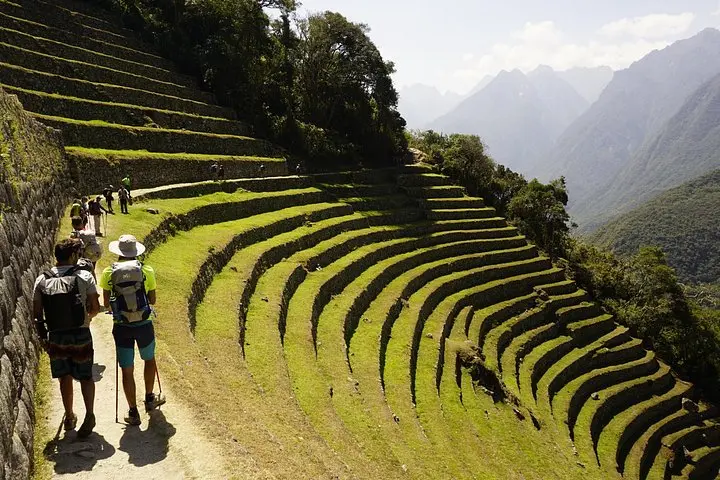
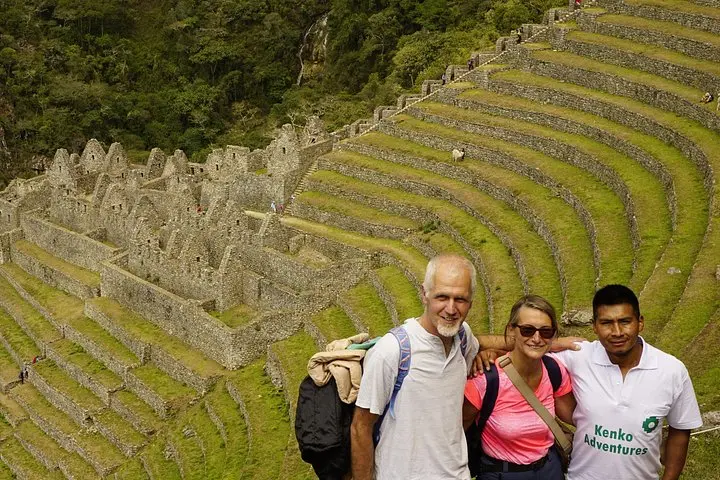
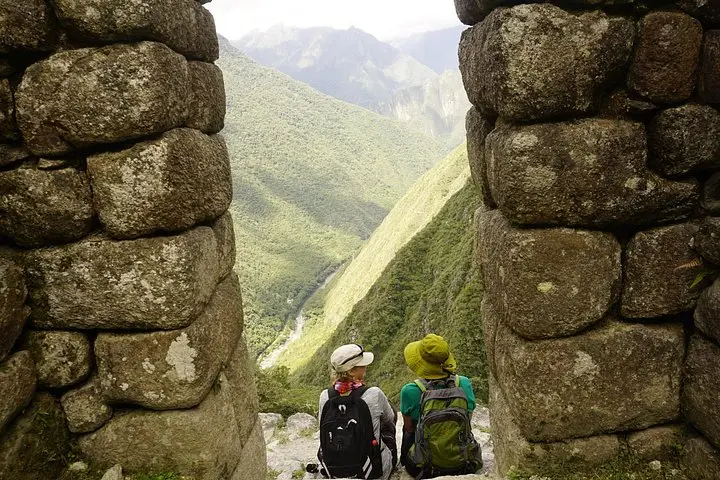
Dawn arrives cold and thin at the trailhead near Ollantaytambo; your group slips into the Andes where stone staircases angle into cloud forest and ancient terraces cling to ridgelines. Over four days the Inca Trail moves between microclimates — high puna grasslands that taste like winter air and humid, orchid-rich forest that holds its moisture like a secret. You sleep under canvas at official campsites, share meals prepared by a chef, and follow switchbacks past Patallacta, Runkuracay (the 3,900 m pass), Sayacmarca, Phuyupatamarca and Wiñayhuayna before emerging at Intipunku for the first view of Machu Picchu at sunrise.
Dawn arrives cold and thin at the trailhead near Ollantaytambo; your group slips into the Andes where stone staircases angle into cloud forest and ancient terraces cling to ridgelines. Over four days the Inca Trail moves between microclimates — high puna grasslands that taste like winter air and humid, orchid-rich forest that holds its moisture like a secret. You sleep under canvas at official campsites, share meals prepared by a chef, and follow switchbacks past Patallacta, Runkuracay (the 3,900 m pass), Sayacmarca, Phuyupatamarca and Wiñayhuayna before emerging at Intipunku for the first view of Machu Picchu at sunrise.
The route is an engineered landscape: cutbed stairways, terraces and ritual platforms carved into volcanic andesite and river valleys shaped by glacial action. Indigenous Quechua culture remains present in markets, coca rituals and local porter communities that support the trek.
Practical edge: acclimatize in Cusco 48–72 hours to reduce altitude symptoms, bring a sleeping bag rated to at least -5°C, and practice a few long uphill hikes beforehand. Expect daily hiking of 6–10 miles with steep stone steps; the high point reaches ~3,900 m. Weather can switch from sun to heavy rain within an hour—layers and a waterproof shell are essential. Porters carry most gear (6 kg included); still pack a comfortable daypack, reliable boots, trekking poles and plenty of water. The return by Vistadome train from Aguas Calientes offers panoramic relief — sit back and let the valley slide past as your legs and memories settle.