THE ADVENTURE COLLECTIVE® · Independent discovery and booking for outdoor travel

A four-day, 42–45 km trek along the original Inca Trail to Machu Picchu, finishing at the Sun Gate for a sunrise reveal of the citadel. Expect high-altitude climbs, ancient stone stairways, and mandatory permits booked well in advance.
A four-day, 42–45 km trek along the original Inca Trail to Machu Picchu, finishing at the Sun Gate for a sunrise reveal of the citadel. Expect high-altitude climbs, ancient stone stairways, and mandatory permits booked well in advance.
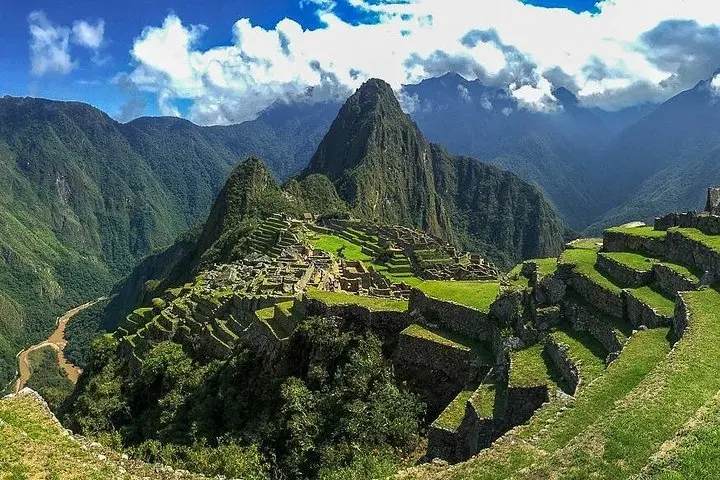
You awake before dawn in Cusco, the city’s rooftop chiming soft alarms while a minivan slides toward the Sacred Valley. By first light the trail narrows to ancient stone: Inca staircases that climb through cloud forest, terraces edging the slope like giant steps toward the sky.
Verified experiences and guided adventures in the surrounding area.
Operated by Quechuas Expeditions · Machu Picchu, Cusco
You awake before dawn in Cusco, the city’s rooftop chiming soft alarms while a minivan slides toward the Sacred Valley. By first light the trail narrows to ancient stone: Inca staircases that climb through cloud forest, terraces edging the slope like giant steps toward the sky.
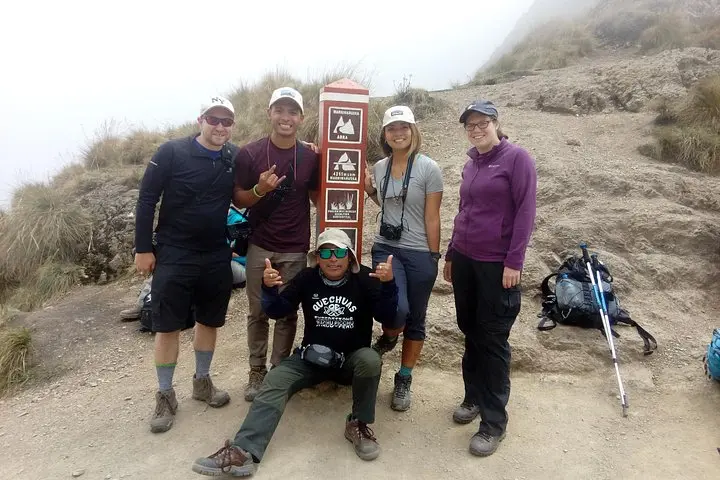
The four-day Classic Inca Trail covers roughly 42–45 km and crosses the high point at Warmiwañusqa (Dead Woman’s Pass) at about 4,200 m. Geology here is folded volcanic rock and compacted alluvium; centuries of Inca stonework route water and foot traffic along ridgelines. Along the way you’ll pass remote Incan sites—Runkurakay, Sayacmarca, Wiñay Wayna—each a fragment of the Qhapaq Ñan network that connected Cusco to outlying provinces.
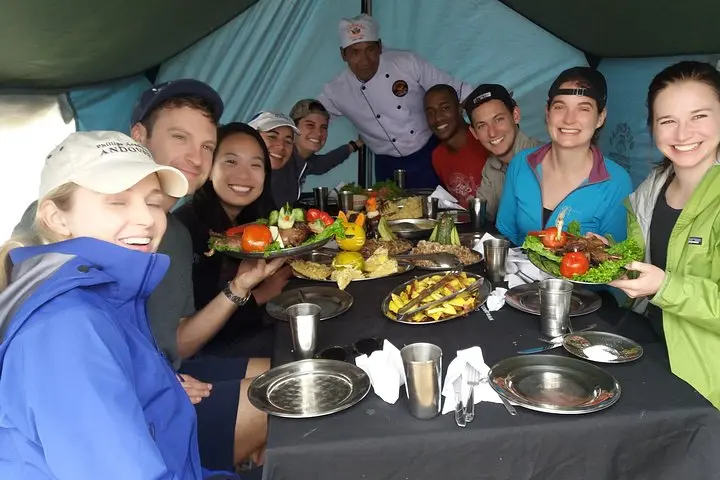
Culturally, porters, local cooks and experienced guides shape the trek; their knowledge of altitude pacing and local flora makes a long day manageable. The final approach through cloud forest opens onto the Sun Gate (Inti Punku) where Machu Picchu reveals itself in the sort of silence that makes you hold your breath.
Practically: allow time to acclimatize in Cusco (3,400 m) before departing, bring a sleeping bag rated to -10 °C, and expect steep stone steps and wet-weather mud on shoulder seasons. Permits are mandatory and limited—book months ahead. Hydrate, pace hard uphill and slow down on descents to save knees. Arrive at Inti Punku for sunrise if you want the iconic shot; otherwise plan for afternoon light and fewer crowds. This is demanding, high-altitude trekking—but it’s structured, supported, and unforgettable.
The route is about 42–45 km over four days with a maximum altitude around 4,200 m at Dead Woman’s Pass; it’s physically demanding and best for fit hikers.
Yes—permits are required and limited by the Peruvian government; book 3–6 months ahead, more during peak season (May–Sept).
Most include camping gear, porters, meals, entry permits and professional guides; confirm train and bus transfers back from Aguas Calientes are covered.
Not strictly required, but prior trekking at moderate altitude and a few days acclimatizing in Cusco are strongly recommended to reduce altitude sickness risk.
Quechuas Expeditions operates guided outdoor trips and adventures with an emphasis on safety, stewardship, and memorable experiences.
You awake before dawn in Cusco, the city’s rooftop chiming soft alarms while a minivan slides toward the Sacred Valley. By first light the trail narrows to ancient stone: Inca staircases that climb through cloud forest, terraces edging the slope like giant steps toward the sky.
You awake before dawn in Cusco, the city’s rooftop chiming soft alarms while a minivan slides toward the Sacred Valley. By first light the trail narrows to ancient stone: Inca staircases that climb through cloud forest, terraces edging the slope like giant steps toward the sky.
The four-day Classic Inca Trail covers roughly 42–45 km and crosses the high point at Warmiwañusqa (Dead Woman’s Pass) at about 4,200 m. Geology here is folded volcanic rock and compacted alluvium; centuries of Inca stonework route water and foot traffic along ridgelines. Along the way you’ll pass remote Incan sites—Runkurakay, Sayacmarca, Wiñay Wayna—each a fragment of the Qhapaq Ñan network that connected Cusco to outlying provinces.
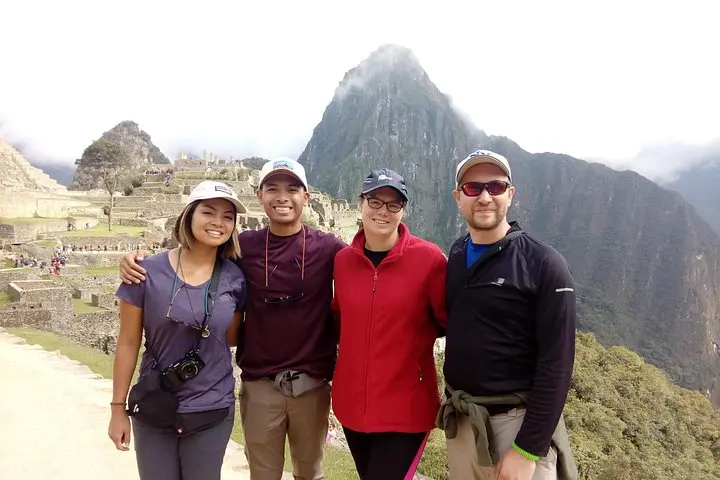
Culturally, porters, local cooks and experienced guides shape the trek; their knowledge of altitude pacing and local flora makes a long day manageable. The final approach through cloud forest opens onto the Sun Gate (Inti Punku) where Machu Picchu reveals itself in the sort of silence that makes you hold your breath.
Practically: allow time to acclimatize in Cusco (3,400 m) before departing, bring a sleeping bag rated to -10 °C, and expect steep stone steps and wet-weather mud on shoulder seasons. Permits are mandatory and limited—book months ahead. Hydrate, pace hard uphill and slow down on descents to save knees. Arrive at Inti Punku for sunrise if you want the iconic shot; otherwise plan for afternoon light and fewer crowds. This is demanding, high-altitude trekking—but it’s structured, supported, and unforgettable.