THE ADVENTURE COLLECTIVE® · Independent discovery and booking for outdoor travel
Walk the classic 4-day Inca Trail: high passes, cloud forest and original stonework lead to Machu Picchu’s Sun Gate. This guide covers what to expect on trail, practical logistics and essential prep for high-altitude trekking.
Walk the classic 4-day Inca Trail: high passes, cloud forest and original stonework lead to Machu Picchu’s Sun Gate. This guide covers what to expect on trail, practical logistics and essential prep for high-altitude trekking.
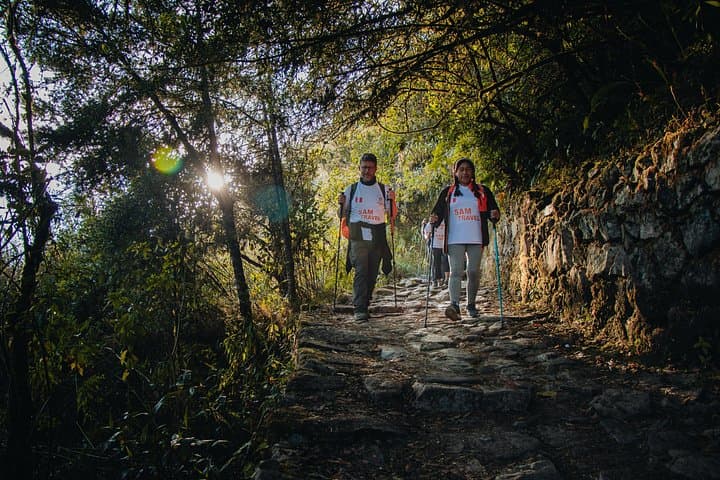
You step onto compacted stone paths as dawn thins the Andes; clouds peel away and the mountains begin to stare back. Day one moves through warmed valleys and Inca-built causeways, the trail rising and falling like the memory of a civilisation that engineered this route for movement and ceremony.
Verified experiences and guided adventures in the surrounding area.
Operated by SAM Travel Peru · Cusco, Cusco Region
You step onto compacted stone paths as dawn thins the Andes; clouds peel away and the mountains begin to stare back. Day one moves through warmed valleys and Inca-built causeways, the trail rising and falling like the memory of a civilisation that engineered this route for movement and ceremony.
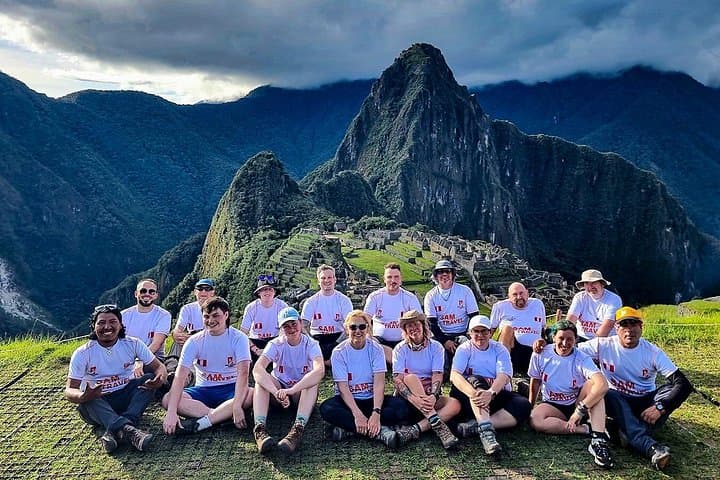
The Inca Trail traces roughly 26 miles (42 km) of original paths through several ecological zones — high puna, cloud forest and subtropical valleys — culminating at the Sun Gate with Machu Picchu’s terraces spilling into view. Geologically, the route follows steep granite spines carved by tectonics and glacial action; archaeologically, stone staircases, storehouses and ceremonial sites appear at regular intervals, each revealing the Inca’s practical mastery of drainage and agriculture.
Local Quechua communities still steward neighbouring valleys; porters and guides often come from these towns, and meals on the trail blend traditional Andean ingredients with hot, camp-cooked fare.
Practically, expect sustained uphill sections (Dead Woman’s Pass reaches ~4,215 m/13,828 ft) and multiple high-altitude passes. Daily mileage averages 8–12 km with steep stair climbs and compact trail underfoot. Acclimatize in Cusco for 2–3 days, travel light, and plan for rapid weather shifts — sun, wind and rain can arrive within an hour. Guides handle permits, camping logistics and meals; hikers carry a daypack, water and layers.
This is a high-altitude, multi-day trek where steady pacing, layered clothing and respect for local rules make the difference between an exhausting day and a memorable summit at the Sun Gate.
It's a challenging multi-day trek with steep ascents (Dead Woman’s Pass ~4,215 m) and long days; good fitness and altitude acclimatization are essential.
Yes. Classic Inca Trail permits are limited and must be booked through a licensed operator well in advance; permits include entry to Machu Picchu on the survey day.
The dry season (May–September) offers more stable weather and clearer views; shoulder months can work but expect some rain.
Yes—licensed companies provide tents, foam mattresses, cooking equipment, chef and porters; hikers typically carry only a daypack.
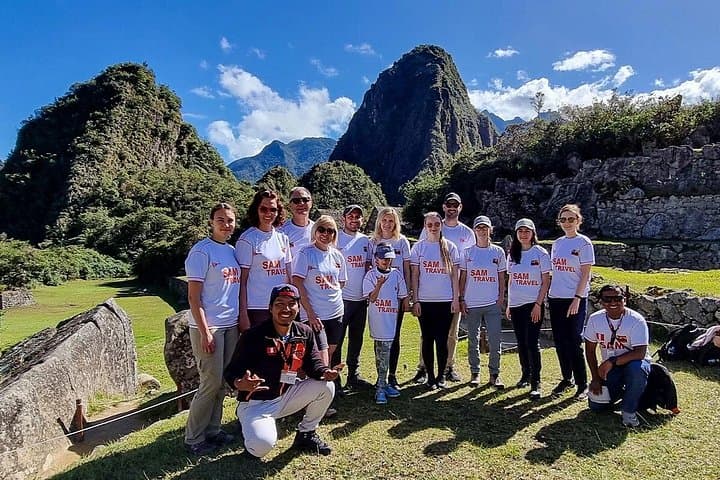
SAM Travel Peru operates guided outdoor trips and adventures with an emphasis on safety, stewardship, and memorable experiences.

You step onto compacted stone paths as dawn thins the Andes; clouds peel away and the mountains begin to stare back. Day one moves through warmed valleys and Inca-built causeways, the trail rising and falling like the memory of a civilisation that engineered this route for movement and ceremony.
You step onto compacted stone paths as dawn thins the Andes; clouds peel away and the mountains begin to stare back. Day one moves through warmed valleys and Inca-built causeways, the trail rising and falling like the memory of a civilisation that engineered this route for movement and ceremony.
The Inca Trail traces roughly 26 miles (42 km) of original paths through several ecological zones — high puna, cloud forest and subtropical valleys — culminating at the Sun Gate with Machu Picchu’s terraces spilling into view. Geologically, the route follows steep granite spines carved by tectonics and glacial action; archaeologically, stone staircases, storehouses and ceremonial sites appear at regular intervals, each revealing the Inca’s practical mastery of drainage and agriculture.
Local Quechua communities still steward neighbouring valleys; porters and guides often come from these towns, and meals on the trail blend traditional Andean ingredients with hot, camp-cooked fare.
Practically, expect sustained uphill sections (Dead Woman’s Pass reaches ~4,215 m/13,828 ft) and multiple high-altitude passes. Daily mileage averages 8–12 km with steep stair climbs and compact trail underfoot. Acclimatize in Cusco for 2–3 days, travel light, and plan for rapid weather shifts — sun, wind and rain can arrive within an hour. Guides handle permits, camping logistics and meals; hikers carry a daypack, water and layers.
This is a high-altitude, multi-day trek where steady pacing, layered clothing and respect for local rules make the difference between an exhausting day and a memorable summit at the Sun Gate.
