THE ADVENTURE COLLECTIVE® · Independent discovery and booking for outdoor travel

An eight‑day small-group journey that moves from Tokyo’s high-energy neighborhoods to the quiet reflection of Kyoto’s temples, with Hakone’s volcanic vistas and Miyajima’s floating torii. Perfect for travelers who want concentrated cultural depth, rail efficiency, and local guidance without the logistics headache.
An eight‑day small-group journey that moves from Tokyo’s high-energy neighborhoods to the quiet reflection of Kyoto’s temples, with Hakone’s volcanic vistas and Miyajima’s floating torii. Perfect for travelers who want concentrated cultural depth, rail efficiency, and local guidance without the logistics headache.
You step out of Narita’s humidity into the cool order of Tokyo’s streets: neon signs, a punctual taxi queue, and the low hum of morning trains. For the next eight days the city’s kinetic energy becomes the overture of a compact itinerary that crams Japan’s highlights into a measured, small-group rhythm—maximum six travelers, a local English-speaking guide, and a string of early-morning departures that transform monuments into quiet revelations.
Verified experiences and guided adventures in the surrounding area.
Operated by Travel China Guide · Tokyo, Tokyo
You step out of Narita’s humidity into the cool order of Tokyo’s streets: neon signs, a punctual taxi queue, and the low hum of morning trains. For the next eight days the city’s kinetic energy becomes the overture of a compact itinerary that crams Japan’s highlights into a measured, small-group rhythm—maximum six travelers, a local English-speaking guide, and a string of early-morning departures that transform monuments into quiet revelations.
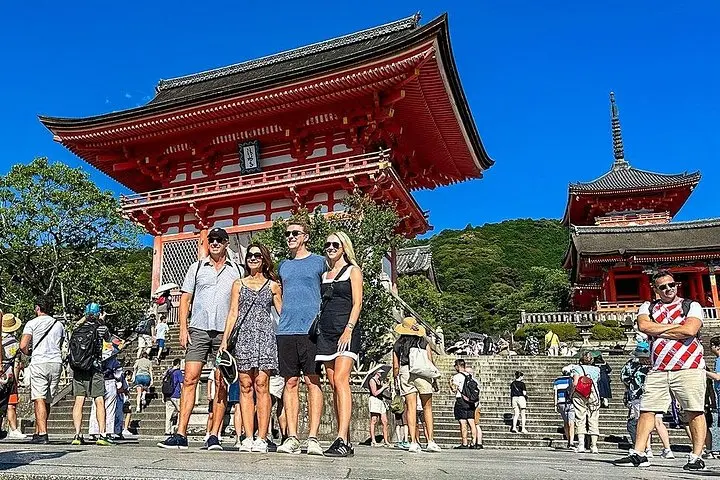
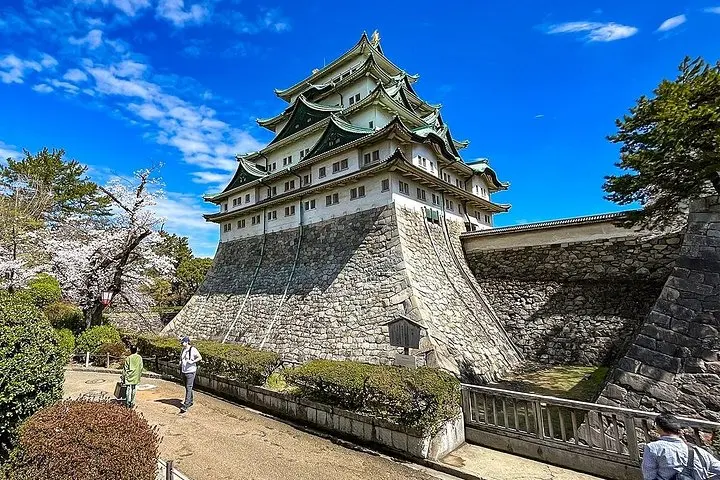
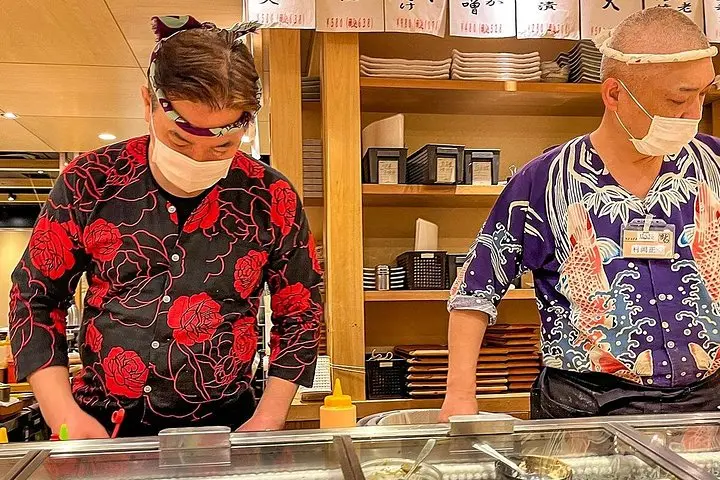
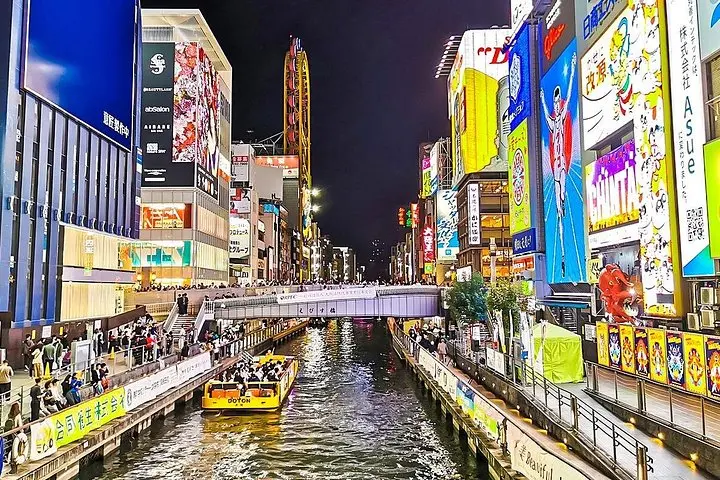
Start in Tokyo with Tsukiji’s clamoring stalls and the hushed cedar avenue of Meiji Jingu, then feel centuries shift under your feet at the Imperial Palace gardens. The itinerary pivots west to Hakone where a ropeway lifts you toward Owakudani’s sulfur-steamed vents (≈1,044 m) and, weather permitting, frames Mount Fuji across mirror-calm Lake Ashi during a 30-minute sightseeing cruise. Bullet trains stitch the country together: a reserved ride carries you to Kyoto’s Zen gardens and the gilded reflection of Kinkaku‑ji; the Fushimi Inari trail climbs through Senbon Torii to the wooded summit of Mt. Inari (≈233 m). Nara’s tame sika deer make polite beggars of visitors, while Osaka finishes the week with unapologetic street food and neon-lit canals.
Geography and history are inseparable here: Tokyo rose from the Tokugawa seat at Edo, Kyoto holds imperial architecture and layered Shinto‑Buddhist practices, and Hiroshima’s Peace Park offers a sobering human history counterpoint to Miyajima’s floating torii. The tour balances transport logistics—shared airport pickup, reserved intercity tickets for key legs, and daily breakfasts—with walkable exploration; expect 3–10 km of urban walking on busy days and a few stair climbs inside temples and castles.
Practically, pack lightweight layers and comfortable walking shoes: cobblestones, temple steps, and occasional wet boardwalks demand grip and agility. Weather varies—Hakone can be chilly even when cities are mild—so a compact rain layer and a warm midlayer are useful. If your schedule depends on clear views of Mt. Fuji, build flexibility into the first full morning in Hakone: visibility changes quickly and often.
This tour is designed for travelers who want cultural depth without solo planning: accommodations are 3–4 star with daily breakfast, entrance fees and many local transfers are included, and group size keeps the pace personal. If you want added independence, there are structured pockets—free evenings in Tokyo and Gion—to explore on your own. Bring local currency for market snacks, keep passport copies handy for ticketing, and be prepared for a pace that rewards curiosity as much as stamina.
Key transfers include reserved bullet train seats for specific legs (e.g., Tokyo–Kyoto and Osaka–Hiroshima) and local public transport fares for guided days; some independent train travel (to Hiroshima on day 7) requires you to use provided tickets and depart on your own schedule.
You must confirm visa requirements before travel—passport details are required at booking; entry rules depend on your nationality.
The tour includes an English-speaking guide; you'll have local guides in some cities where noted.
Daily breakfasts are included; other meals are typically on your own to sample local cuisine unless otherwise stated.
The itinerary is rated easy to moderate and suits most fitness levels, but expect full days and some walking—contact the operator for mobility accommodations.
Check the booking terms at the time of purchase; bookings may have specific refund rules—confirm before booking.
Travel China Guide operates guided outdoor trips and adventures with an emphasis on safety, stewardship, and memorable experiences.
You step out of Narita’s humidity into the cool order of Tokyo’s streets: neon signs, a punctual taxi queue, and the low hum of morning trains. For the next eight days the city’s kinetic energy becomes the overture of a compact itinerary that crams Japan’s highlights into a measured, small-group rhythm—maximum six travelers, a local English-speaking guide, and a string of early-morning departures that transform monuments into quiet revelations.
You step out of Narita’s humidity into the cool order of Tokyo’s streets: neon signs, a punctual taxi queue, and the low hum of morning trains. For the next eight days the city’s kinetic energy becomes the overture of a compact itinerary that crams Japan’s highlights into a measured, small-group rhythm—maximum six travelers, a local English-speaking guide, and a string of early-morning departures that transform monuments into quiet revelations.
Start in Tokyo with Tsukiji’s clamoring stalls and the hushed cedar avenue of Meiji Jingu, then feel centuries shift under your feet at the Imperial Palace gardens. The itinerary pivots west to Hakone where a ropeway lifts you toward Owakudani’s sulfur-steamed vents (≈1,044 m) and, weather permitting, frames Mount Fuji across mirror-calm Lake Ashi during a 30-minute sightseeing cruise. Bullet trains stitch the country together: a reserved ride carries you to Kyoto’s Zen gardens and the gilded reflection of Kinkaku‑ji; the Fushimi Inari trail climbs through Senbon Torii to the wooded summit of Mt. Inari (≈233 m). Nara’s tame sika deer make polite beggars of visitors, while Osaka finishes the week with unapologetic street food and neon-lit canals.
Geography and history are inseparable here: Tokyo rose from the Tokugawa seat at Edo, Kyoto holds imperial architecture and layered Shinto‑Buddhist practices, and Hiroshima’s Peace Park offers a sobering human history counterpoint to Miyajima’s floating torii. The tour balances transport logistics—shared airport pickup, reserved intercity tickets for key legs, and daily breakfasts—with walkable exploration; expect 3–10 km of urban walking on busy days and a few stair climbs inside temples and castles.
Practically, pack lightweight layers and comfortable walking shoes: cobblestones, temple steps, and occasional wet boardwalks demand grip and agility. Weather varies—Hakone can be chilly even when cities are mild—so a compact rain layer and a warm midlayer are useful. If your schedule depends on clear views of Mt. Fuji, build flexibility into the first full morning in Hakone: visibility changes quickly and often.
This tour is designed for travelers who want cultural depth without solo planning: accommodations are 3–4 star with daily breakfast, entrance fees and many local transfers are included, and group size keeps the pace personal. If you want added independence, there are structured pockets—free evenings in Tokyo and Gion—to explore on your own. Bring local currency for market snacks, keep passport copies handy for ticketing, and be prepared for a pace that rewards curiosity as much as stamina.