THE ADVENTURE COLLECTIVE® · Independent discovery and booking for outdoor travel

Follow the original Jiri approach to Everest on a 25-day guided teahouse trek that traverses rhododendron forests, high passes and glacial moraines to reach Everest Base Camp and Kala Patthar. Built-in acclimatization and guided support make this a rigorous but accessible route for experienced trekkers.
Follow the original Jiri approach to Everest on a 25-day guided teahouse trek that traverses rhododendron forests, high passes and glacial moraines to reach Everest Base Camp and Kala Patthar. Built-in acclimatization and guided support make this a rigorous but accessible route for experienced trekkers.
You step off the bus in Jiri with the road behind you and a long, high country in front — rhododendron slopes dropping into river gullies, prayer flags fluttering above stone chortens. Each day the air thins and the skyline sharpens: first glimpses of Nupla and Kusum Kanguru, then the full pyramidal profile of Ama Dablam rising like a stern guardian as you approach the high valleys.
Verified experiences and guided adventures in the surrounding area.
Operated by Travel Max Guide · Kathmandu, Bagmati Province
You step off the bus in Jiri with the road behind you and a long, high country in front — rhododendron slopes dropping into river gullies, prayer flags fluttering above stone chortens. Each day the air thins and the skyline sharpens: first glimpses of Nupla and Kusum Kanguru, then the full pyramidal profile of Ama Dablam rising like a stern guardian as you approach the high valleys.
This itinerary follows the original Jiri route that predated Lukla air access — the same corridor that Sir Edmund Hillary and Tenzing Norgay once used to approach Everest. Geologically the trail moves from fractured schist and river-cut valleys in the mid hills to glacial moraines and boulder fields above 4,500 m. Culturally the walk threads Sherpa and Jirel villages, Buddhist monasteries, and highland pastures where yak bells mark the seasons.
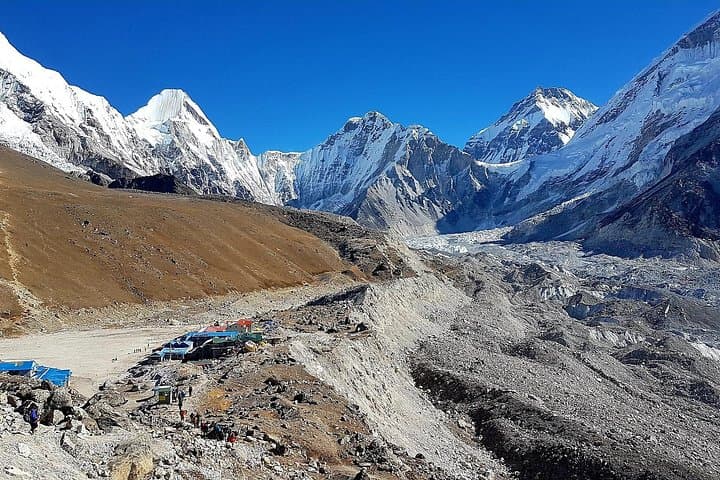
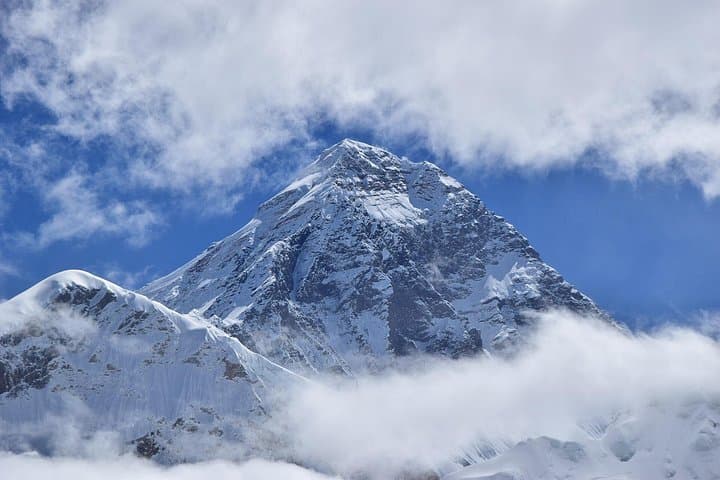
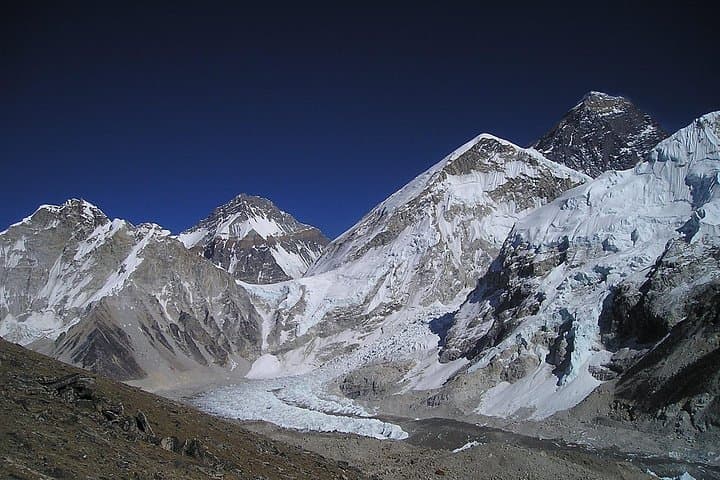
Expect varied terrain: forested switchbacks, steep stone stairways, rivers like the Dudh Kosi daring you across suspension bridges, moraine ridgelines, and the rocky, wind-swept approaches to passes like Cho-La (≈5,368 m). Key high points: Namche Bazaar (3,440 m), Gokyo (4,790 m), Everest Base Camp (5,364 m), and Kala Patthar (~5,550 m). Typical daily trekking is 4–7 hours; acclimatization days are built in.
Practical edge: layer for cold nights in teahouses, carry a water treatment option, budget cash for charging and hot showers, and allow your pace for altitude. This is a demanding, non-technical high-altitude trek best attempted in spring or fall with solid fitness and respect for acclimatization protocols.
Yes—Sagarmatha National Park entry and TIMS/trekking permits are required and usually handled by the operator before departure.
Spring (late March–May) and autumn (September–November) offer the most stable weather and clear mountain views; monsoon (summer) is wet and winter is very cold with limited services.
Cho-La and other high passes are steep and may be icy or snowy; they are non-technical but physically demanding—good boots and trekking poles are essential.
Altitude illness can occur even in fit trekkers; follow the itinerary's acclimatization days, ascend slowly, stay hydrated, and inform guides immediately about symptoms.
Travel Max Guide operates guided outdoor trips and adventures with an emphasis on safety, stewardship, and memorable experiences.
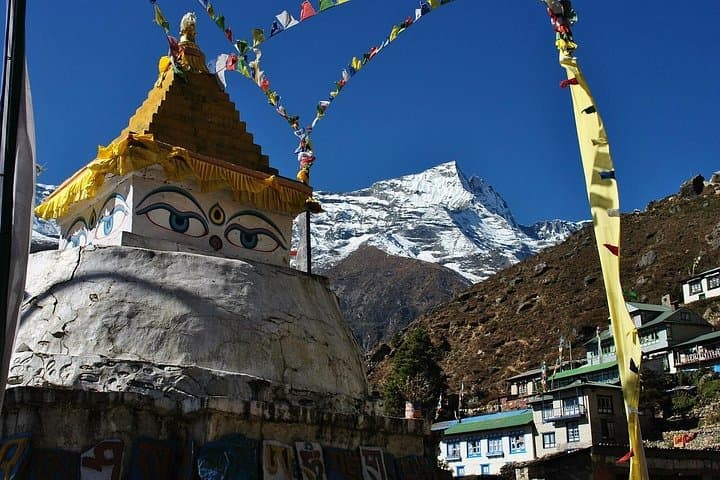
You step off the bus in Jiri with the road behind you and a long, high country in front — rhododendron slopes dropping into river gullies, prayer flags fluttering above stone chortens. Each day the air thins and the skyline sharpens: first glimpses of Nupla and Kusum Kanguru, then the full pyramidal profile of Ama Dablam rising like a stern guardian as you approach the high valleys.
You step off the bus in Jiri with the road behind you and a long, high country in front — rhododendron slopes dropping into river gullies, prayer flags fluttering above stone chortens. Each day the air thins and the skyline sharpens: first glimpses of Nupla and Kusum Kanguru, then the full pyramidal profile of Ama Dablam rising like a stern guardian as you approach the high valleys.
This itinerary follows the original Jiri route that predated Lukla air access — the same corridor that Sir Edmund Hillary and Tenzing Norgay once used to approach Everest. Geologically the trail moves from fractured schist and river-cut valleys in the mid hills to glacial moraines and boulder fields above 4,500 m. Culturally the walk threads Sherpa and Jirel villages, Buddhist monasteries, and highland pastures where yak bells mark the seasons.
Expect varied terrain: forested switchbacks, steep stone stairways, rivers like the Dudh Kosi daring you across suspension bridges, moraine ridgelines, and the rocky, wind-swept approaches to passes like Cho-La (≈5,368 m). Key high points: Namche Bazaar (3,440 m), Gokyo (4,790 m), Everest Base Camp (5,364 m), and Kala Patthar (~5,550 m). Typical daily trekking is 4–7 hours; acclimatization days are built in.
Practical edge: layer for cold nights in teahouses, carry a water treatment option, budget cash for charging and hot showers, and allow your pace for altitude. This is a demanding, non-technical high-altitude trek best attempted in spring or fall with solid fitness and respect for acclimatization protocols.