THE ADVENTURE COLLECTIVE® · Independent discovery and booking for outdoor travel

An immersive 8-day circuit from Amman to Petra, Wadi Rum and the Dead Sea that pairs archaeology with desert nights and therapeutic shoreline relaxation. Expect Roman ruins, Nabatean rock-cut facades, a Bedouin zarb dinner and time to float in mineral-rich waters.
An immersive 8-day circuit from Amman to Petra, Wadi Rum and the Dead Sea that pairs archaeology with desert nights and therapeutic shoreline relaxation. Expect Roman ruins, Nabatean rock-cut facades, a Bedouin zarb dinner and time to float in mineral-rich waters.
You arrive in Amman as the city hums between flat-topped hills and modern glass; within hours you’re tracing Roman colonnades and limestone alleys that have held traders and pilgrims for millennia.
Verified experiences and guided adventures in the surrounding area.
Operated by Axis Destination Management · Amman, Amman Governorate
You arrive in Amman as the city hums between flat-topped hills and modern glass; within hours you’re tracing Roman colonnades and limestone alleys that have held traders and pilgrims for millennia.
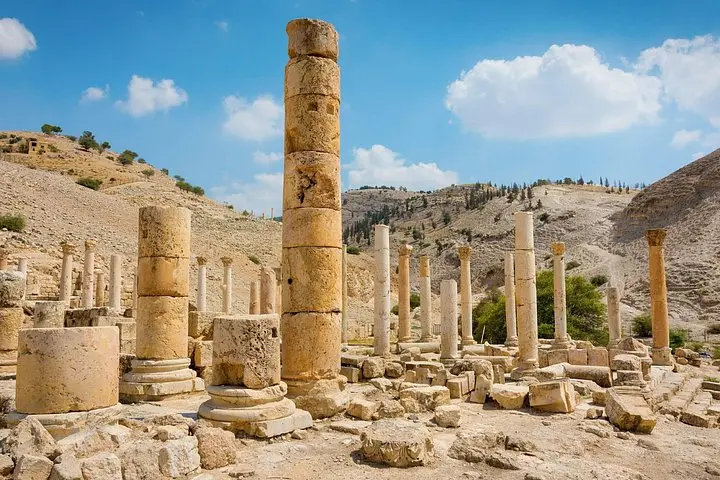
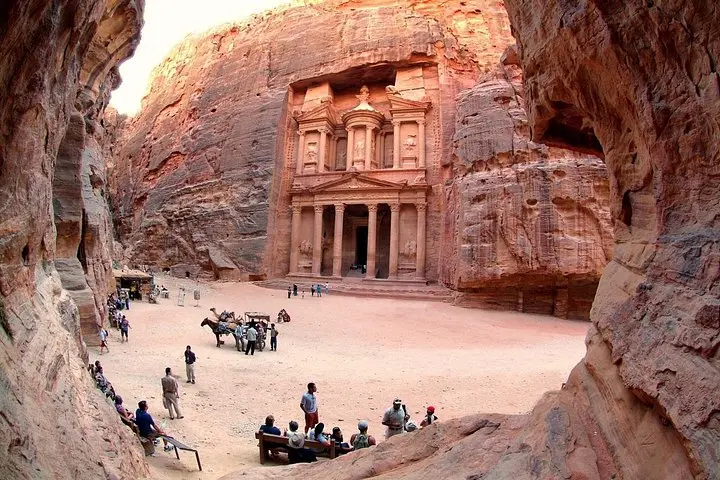
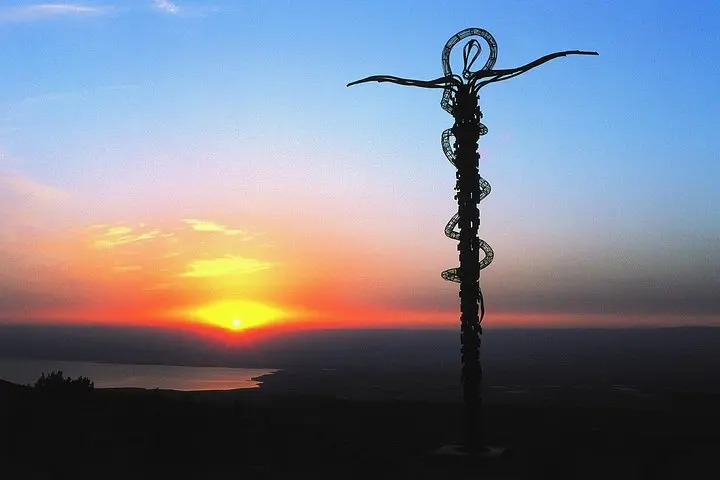
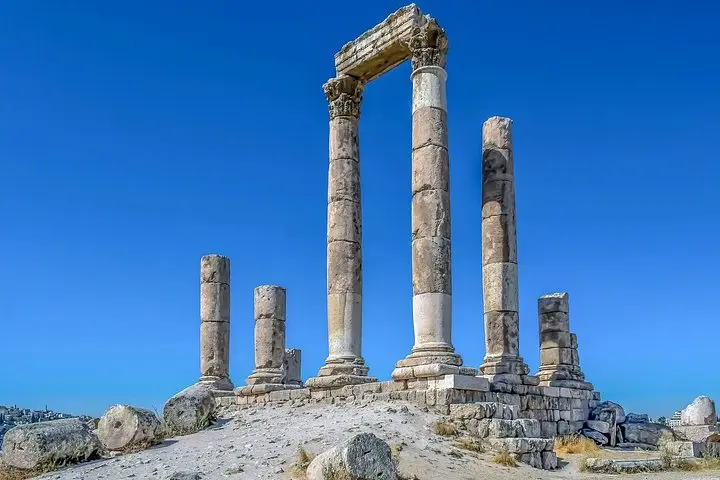
This eight-day loop moves from Amman’s Citadel and the Roman theater to Jerash’s oval forum, then follows the mosaic trail through Madaba and the prophetic view from Mount Nebo. The itinerary pivots south to Shobak’s Crusader stones and the astonishing sandstone facades of Petra, where the Siq opens and the Treasury peeks like a carved stage. Wadi Rum’s wide, rust-colored desert then swallows sound; its wind-sculpted ridges and granite domes read like geology in motion. The tour ends with buoyant, mineral-rich float time at the Dead Sea—earth’s lowest shoreline.
History here layers: Bronze Age tells, Roman urban planning, Nabatean engineering and Bedouin desert culture converge. Geology is visible: Cambrian sandstones in Petra, wind-polished sandstone and granites in Wadi Rum, and evaporite basins around the Dead Sea. Local culture surfaces in markets, mosaic workshops in Madaba and the Bedouin zarb dinner in a camp under an unlit sky.
Practical guidance: plan for early starts in Petra to avoid crowds and heat; wear sturdy shoes with good traction for uneven stone and desert sand; carry sun protection and at least 2–3 liters of water on outdoor days. Expect moderate walking on uneven terrain, short jeep transfers, and one night in a desert camp where temperatures drop after sunset. The tour balances archaeology, wide-open desert, and restorative time by the Dead Sea—bring curiosity, sensible layers, and a readiness to walk slowly through deep history.
Yes—arrival and departure transfers with assistance at Queen Alia International Airport are included as described.
Visa requirements vary by nationality; some nationalities can obtain a visa on arrival, others must arrange one in advance—check with Jordanian authorities.
Camps range from basic Bedouin tents to private, heated tents; the itinerary includes a traditional camp and may include shared facilities depending on booking choices.
Petra’s main approach and the Siq are accessible up to the Treasury; beyond that terrain becomes uneven and steep—wheelchairs are usable with assistance for parts of the site.
Axis Destination Management operates guided outdoor trips and adventures with an emphasis on safety, stewardship, and memorable experiences.
You arrive in Amman as the city hums between flat-topped hills and modern glass; within hours you’re tracing Roman colonnades and limestone alleys that have held traders and pilgrims for millennia.
You arrive in Amman as the city hums between flat-topped hills and modern glass; within hours you’re tracing Roman colonnades and limestone alleys that have held traders and pilgrims for millennia.
This eight-day loop moves from Amman’s Citadel and the Roman theater to Jerash’s oval forum, then follows the mosaic trail through Madaba and the prophetic view from Mount Nebo. The itinerary pivots south to Shobak’s Crusader stones and the astonishing sandstone facades of Petra, where the Siq opens and the Treasury peeks like a carved stage. Wadi Rum’s wide, rust-colored desert then swallows sound; its wind-sculpted ridges and granite domes read like geology in motion. The tour ends with buoyant, mineral-rich float time at the Dead Sea—earth’s lowest shoreline.
History here layers: Bronze Age tells, Roman urban planning, Nabatean engineering and Bedouin desert culture converge. Geology is visible: Cambrian sandstones in Petra, wind-polished sandstone and granites in Wadi Rum, and evaporite basins around the Dead Sea. Local culture surfaces in markets, mosaic workshops in Madaba and the Bedouin zarb dinner in a camp under an unlit sky.
Practical guidance: plan for early starts in Petra to avoid crowds and heat; wear sturdy shoes with good traction for uneven stone and desert sand; carry sun protection and at least 2–3 liters of water on outdoor days. Expect moderate walking on uneven terrain, short jeep transfers, and one night in a desert camp where temperatures drop after sunset. The tour balances archaeology, wide-open desert, and restorative time by the Dead Sea—bring curiosity, sensible layers, and a readiness to walk slowly through deep history.