THE ADVENTURE COLLECTIVE® · Independent discovery and booking for outdoor travel

A six-day loop between Kathmandu and Pokhara that blends UNESCO-listed temples, hilltop sunrises and lakeside calm. Ideal for travelers who want curated cultural context plus easy access to Himalayan views.
A six-day loop between Kathmandu and Pokhara that blends UNESCO-listed temples, hilltop sunrises and lakeside calm. Ideal for travelers who want curated cultural context plus easy access to Himalayan views.
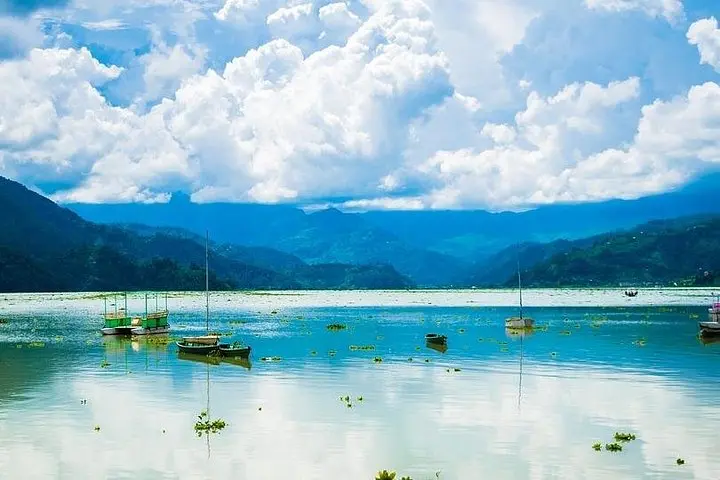
Early-morning in Kathmandu feels like a city waking with purpose: prayer flags ripple across courtyards, street vendors arrange steaming momo trays, and the air carries a faint trace of wood smoke and incense. Travelers on the Classic Nepal Tour move from the valley’s ancient plazas to the quieter shores of Phewa Lake in Pokhara, trading temple steps for lakefront breeze and mountain silhouettes.
Verified experiences and guided adventures in the surrounding area.
Operated by Liberty Holidays · Kathmandu, Bagmati Province
Early-morning in Kathmandu feels like a city waking with purpose: prayer flags ripple across courtyards, street vendors arrange steaming momo trays, and the air carries a faint trace of wood smoke and incense. Travelers on the Classic Nepal Tour move from the valley’s ancient plazas to the quieter shores of Phewa Lake in Pokhara, trading temple steps for lakefront breeze and mountain silhouettes.
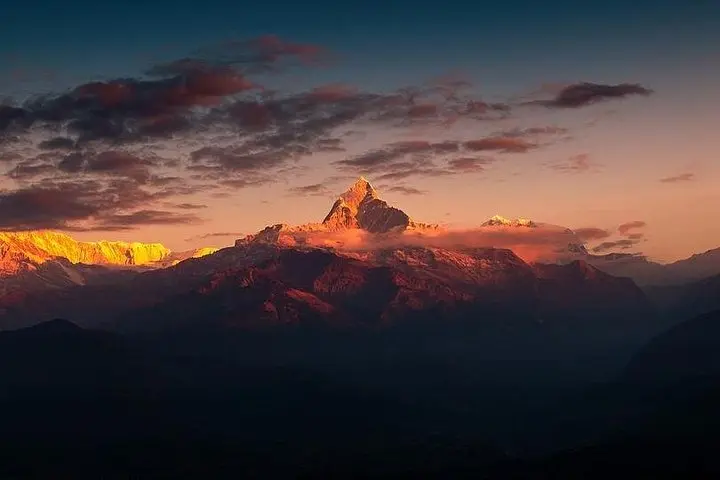
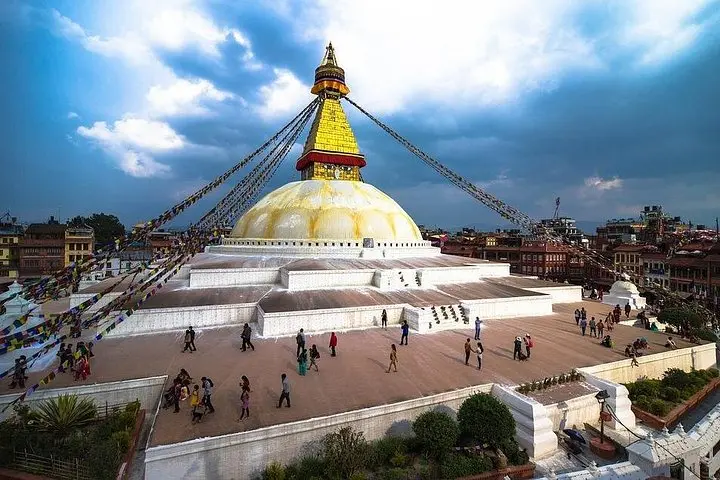
Kathmandu Valley holds layers of history — Licchavi-era shrines, Malla palaces and Newar craft traditions — all shaped by Himalayan geology where rivers have carved terraces and exposed the valley’s storied relics. Pokhara sits at the foot of the Annapurna massif; Sarangkot’s ridge frames dawn as the peaks sharpen into relief. Along the way guides explain religious customs at Swayambhunath, Boudhanath and Pashupatinath, and the International Mountain Museum fills in mountaineering and local cultural context.
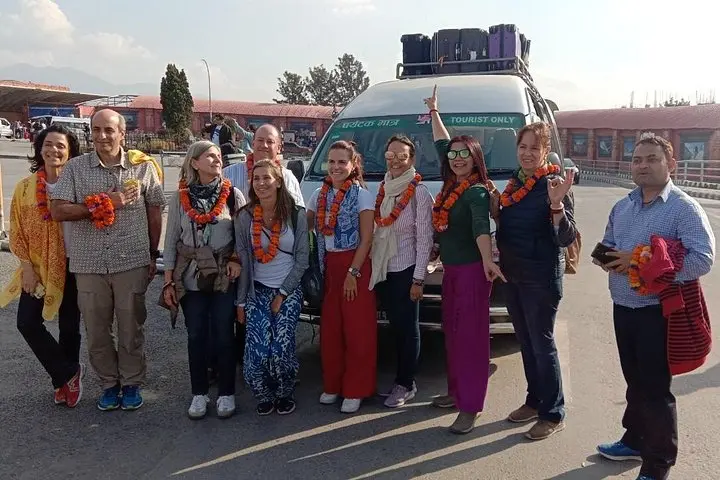
Practical planning is straightforward: the itinerary is six days with hotel nights in Kathmandu and Pokhara, included breakfasts, internal coach transfer (or flight on request), and English-speaking guides. Expect early starts for sunrise at Sarangkot, moderate walking through uneven Durbar Square surfaces, and short boat rides on Phewa Lake. Carry local currency for small purchases, bring layered clothing for chilly mornings and sun protection at midday, and allow time to acclimate to modest altitude changes.
Respect temple protocols (cover shoulders, remove shoes where required) and consider booking the guided option to navigate both traffic and cultural nuance — it makes the compact mix of history, landscape and living culture far easier to absorb.
Most nationalities require a visa on arrival or e-visa; check Nepal’s Department of Immigration site for current rules before travel.
The itinerary stays at low-to-moderate elevation (Kathmandu ~1,400 m, Pokhara ~800 m); altitude sickness is unlikely but stay hydrated and rest if you feel off.
The standard itinerary uses tourist coach transfers; a Kathmandu–Pokhara flight can be arranged on request, usually at extra cost.
Breakfasts are included daily; other meals are typically at your expense so guides can advise reliable local restaurants.
Liberty Holidays operates guided outdoor trips and adventures with an emphasis on safety, stewardship, and memorable experiences.
Early-morning in Kathmandu feels like a city waking with purpose: prayer flags ripple across courtyards, street vendors arrange steaming momo trays, and the air carries a faint trace of wood smoke and incense. Travelers on the Classic Nepal Tour move from the valley’s ancient plazas to the quieter shores of Phewa Lake in Pokhara, trading temple steps for lakefront breeze and mountain silhouettes.
Early-morning in Kathmandu feels like a city waking with purpose: prayer flags ripple across courtyards, street vendors arrange steaming momo trays, and the air carries a faint trace of wood smoke and incense. Travelers on the Classic Nepal Tour move from the valley’s ancient plazas to the quieter shores of Phewa Lake in Pokhara, trading temple steps for lakefront breeze and mountain silhouettes.
Kathmandu Valley holds layers of history — Licchavi-era shrines, Malla palaces and Newar craft traditions — all shaped by Himalayan geology where rivers have carved terraces and exposed the valley’s storied relics. Pokhara sits at the foot of the Annapurna massif; Sarangkot’s ridge frames dawn as the peaks sharpen into relief. Along the way guides explain religious customs at Swayambhunath, Boudhanath and Pashupatinath, and the International Mountain Museum fills in mountaineering and local cultural context.
Practical planning is straightforward: the itinerary is six days with hotel nights in Kathmandu and Pokhara, included breakfasts, internal coach transfer (or flight on request), and English-speaking guides. Expect early starts for sunrise at Sarangkot, moderate walking through uneven Durbar Square surfaces, and short boat rides on Phewa Lake. Carry local currency for small purchases, bring layered clothing for chilly mornings and sun protection at midday, and allow time to acclimate to modest altitude changes.
Respect temple protocols (cover shoulders, remove shoes where required) and consider booking the guided option to navigate both traffic and cultural nuance — it makes the compact mix of history, landscape and living culture far easier to absorb.