
Classic Nile Cruise Luxor to Aswan — 3-Night Temple Cruise on the Nile
Float between Luxor and Aswan on a three-night Nile cruise that pairs temple visits with slow river sailing. Expect early mornings at Karnak and the Valley of the Kings, afternoons watching the Nile’s bankscape, and optional balloon or quad excursions.
An Adventure In Luxor.
Float between Luxor and Aswan on a three-night Nile cruise that pairs temple visits with slow river sailing. Expect early mornings at Karnak and the Valley of the Kings, afternoons watching the Nile’s bankscape, and optional balloon or quad excursions.
Read the full experience
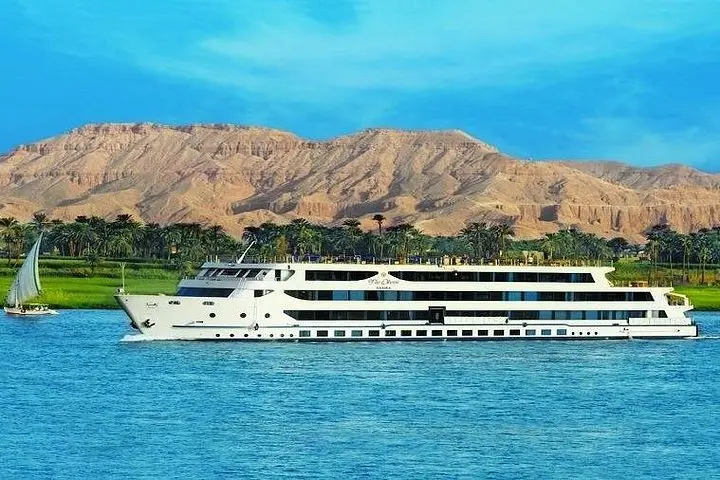
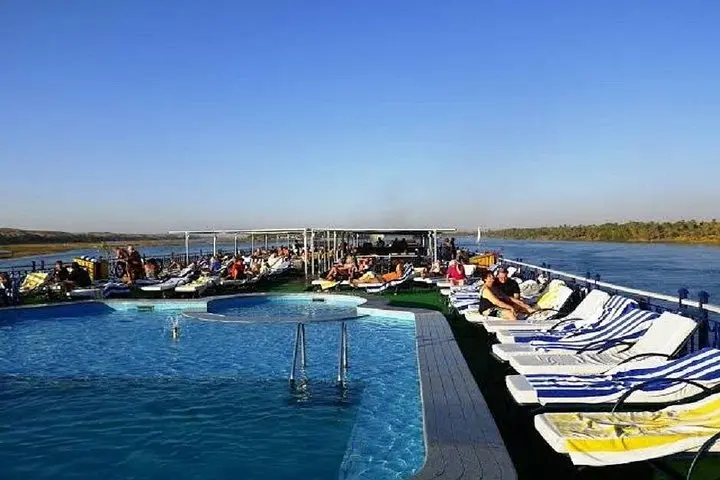
You step off the transfer and the Nile opens before you: slow water pushing past felucca-sketched banks, palm groves shifting in a dry breeze, and the low silhouette of sandstone temples rising from the river’s edge. Onboard a five-star dahabiya-style cruise, cabins hum with air-conditioning while the deck keeps you close to the current and the long, horizontal light of Upper Egypt.
You step off the transfer and the Nile opens before you: slow water pushing past felucca-sketched banks, palm groves shifting in a dry breeze, and the low silhouette of sandstone temples rising from the river’s edge. Onboard a five-star dahabiya-style cruise, cabins hum with air-conditioning while the deck keeps you close to the current and the long, horizontal light of Upper Egypt.
This route follows the Nile’s historic artery between Luxor and Aswan. You'll touch sites built by New Kingdom pharaohs—Karnak and Luxor on the East Bank, the Valley of the Kings and Hatshepsut on the West Bank—then press south to Edfu and Kom Ombo, temples carved from Nubian sandstone and granite. Geologically the river corridor slices through desert plateaus, exposing granite near Aswan and softer sedimentary layers around Luxor; culturally, the voyage threads modern Nubian villages, agriculture dependent on annual flood patterns, and millennia of funerary architecture.
Practical guidance: cabins are assigned afternoon arrival; expect scheduled pickups from Luxor airport or station. Daily plans balance early starts for site visits (and optional hot-air balloon or quad safari) with afternoon sailing and on-deck downtime. Bring sun protection, light layers for cool evenings, and comfortable walking shoes for uneven temple terraces. Hydrate—Upper Egypt’s sun is intense—and keep small Egyptian pounds for local tips and market purchases.
Timing your visit in cooler months will make temple walks and deck-side evenings far more pleasant. Whether you’re here for monuments, the river’s pace, or the convenience of a floating basecamp, this short cruise compresses Egypt’s long story into four moving days.
Frequently asked questions
Yes—most operators include pickup from Luxor airport or train station; confirm your arrival details when booking.
Yes—these are optional activities typically offered on the second morning; choose one and book in advance if available.
An Egyptologist guide is included; check whether site entrance fees are covered—many organized cruises include them, but confirm at booking.
Carry Egyptian pounds for small purchases and tips; tipping local guides, drivers, and boat staff is customary and appreciated.
About This Experience
Cheap trips operates guided outdoor trips and adventures with an emphasis on safety, stewardship, and memorable experiences.
Adventure tips
Recommended gear
- Sun hat & sunglasses: Daily sun protection for long exposed walks and hours on deck.
- Light hiking shoes or sturdy sandals: Stable footwear for uneven temple steps, sand, and carriage approaches.
- Reusable water bottle with filter: Staying hydrated is essential; on-board water is often provided but refillable bottles reduce plastic waste.
- Light insulated jacket or fleece: Evenings on the river and early mornings can be cool, especially in winter months.
Photos of the experience
Related adventures & guides
Read the full experience
You step off the transfer and the Nile opens before you: slow water pushing past felucca-sketched banks, palm groves shifting in a dry breeze, and the low silhouette of sandstone temples rising from the river’s edge. Onboard a five-star dahabiya-style cruise, cabins hum with air-conditioning while the deck keeps you close to the current and the long, horizontal light of Upper Egypt.
You step off the transfer and the Nile opens before you: slow water pushing past felucca-sketched banks, palm groves shifting in a dry breeze, and the low silhouette of sandstone temples rising from the river’s edge. Onboard a five-star dahabiya-style cruise, cabins hum with air-conditioning while the deck keeps you close to the current and the long, horizontal light of Upper Egypt.
This route follows the Nile’s historic artery between Luxor and Aswan. You'll touch sites built by New Kingdom pharaohs—Karnak and Luxor on the East Bank, the Valley of the Kings and Hatshepsut on the West Bank—then press south to Edfu and Kom Ombo, temples carved from Nubian sandstone and granite. Geologically the river corridor slices through desert plateaus, exposing granite near Aswan and softer sedimentary layers around Luxor; culturally, the voyage threads modern Nubian villages, agriculture dependent on annual flood patterns, and millennia of funerary architecture.
Practical guidance: cabins are assigned afternoon arrival; expect scheduled pickups from Luxor airport or station. Daily plans balance early starts for site visits (and optional hot-air balloon or quad safari) with afternoon sailing and on-deck downtime. Bring sun protection, light layers for cool evenings, and comfortable walking shoes for uneven temple terraces. Hydrate—Upper Egypt’s sun is intense—and keep small Egyptian pounds for local tips and market purchases.
Timing your visit in cooler months will make temple walks and deck-side evenings far more pleasant. Whether you’re here for monuments, the river’s pace, or the convenience of a floating basecamp, this short cruise compresses Egypt’s long story into four moving days.
Make a day of it nearby.
Verified experiences and guided adventures in the surrounding area.