THE ADVENTURE COLLECTIVE® · Independent discovery and booking for outdoor travel

Walk the Historic Peninsula from the Hippodrome to the Grand Bazaar on a private guided tour that traces Byzantine and Ottoman chapters of Istanbul’s past. Expect significant walking, staircases, and culturally important sites with strong photo opportunities.
Walk the Historic Peninsula from the Hippodrome to the Grand Bazaar on a private guided tour that traces Byzantine and Ottoman chapters of Istanbul’s past. Expect significant walking, staircases, and culturally important sites with strong photo opportunities.
You step from a narrow street into Sultanahmet Square and the city opens like a living map: cobbles underfoot, seagulls wheeling over domes, and the call to prayer threading through alleys. The tour escorts you past the columns of the old Hippodrome, through the shadow of the Blue Mosque’s tiled interior, and beneath the layered history of the Hagia Sophia — each structure holding its own season of power and faith.
Verified experiences and guided adventures in the surrounding area.
Operated by Şeyma Arslan · Istanbul, Istanbul
You step from a narrow street into Sultanahmet Square and the city opens like a living map: cobbles underfoot, seagulls wheeling over domes, and the call to prayer threading through alleys. The tour escorts you past the columns of the old Hippodrome, through the shadow of the Blue Mosque’s tiled interior, and beneath the layered history of the Hagia Sophia — each structure holding its own season of power and faith.
Constantinople was the hinge between continents: a Byzantine capital layered with Ottoman palaces. Geology and geography shaped it — a peninsula bounded by the Golden Horn, the Bosphorus, and the Sea of Marmara — which made it a crossroads of trade and architecture for millennia. Cultural notes arrive in details: the Ottoman court routines at Topkapı Palace, Byzantine mosaics inside Hagia Sophia, and the market rhythms of the Grand Bazaar founded in 1461.
Expect a lot of walking with stairs and uneven paving; guides typically adapt the route to opening hours and crowd flow. Photography opportunities are constant: sweeping exterior views, decorative tilework, and courtyard scenes at lesser-known bazaars.
Practical guidance: wear sturdy shoes and modest clothing for mosque visits, carry water, and plan for 3–8 hours depending on whether you include museum entries. Bring cash for small purchases and a lightweight bag for stairs and busy streets. If you want to skip lines at Topkapı, buy tickets in advance. The walk blends storytelling and urban navigation — historians and curious travelers both leave with a clearer sense of how empires moved through this city.
Admission is not included in the standard walking tour; Hagia Sophia currently functions as a mosque with free access to prayer areas while museum-style exhibits may have different rules; Topkapı Palace requires a separate ticket and may have lines.
Much of the area has uneven cobbles and stairs; parts are stroller-accessible but those with mobility limitations should check with the operator for tailored routes and assistance.
Yes — this private tour typically offers hotel meetups in central Sultanahmet; confirm pickup point when booking.
Tipping is customary but discretionary; 10–15% or a few euros per person is a typical thank-you for a knowledgeable private guide.
Şeyma Arslan operates guided outdoor trips and adventures with an emphasis on safety, stewardship, and memorable experiences.
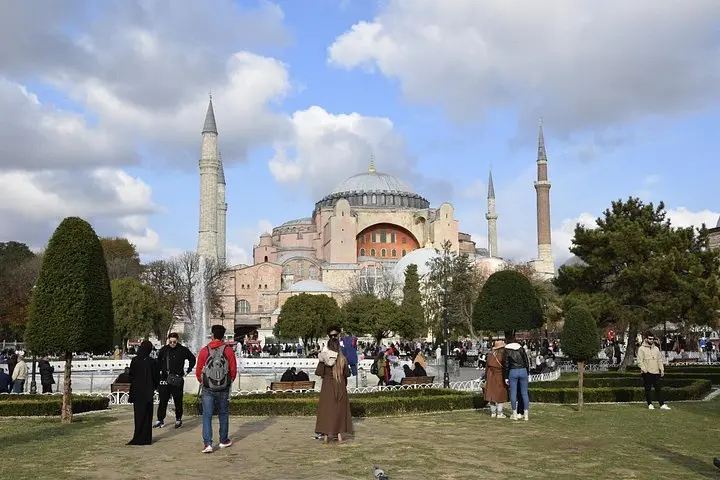
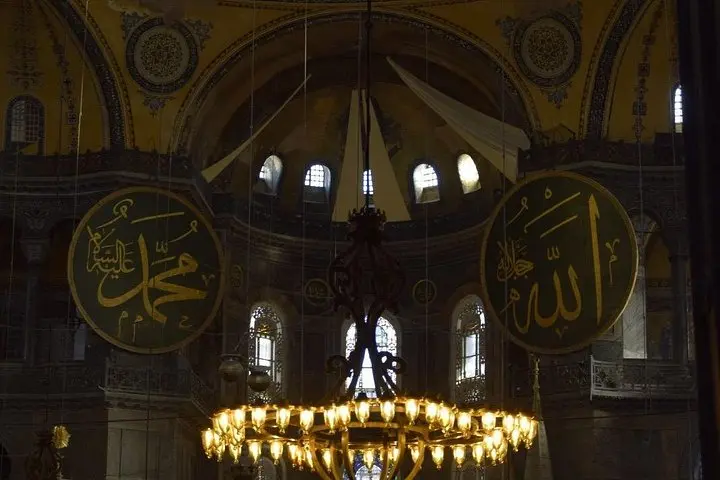
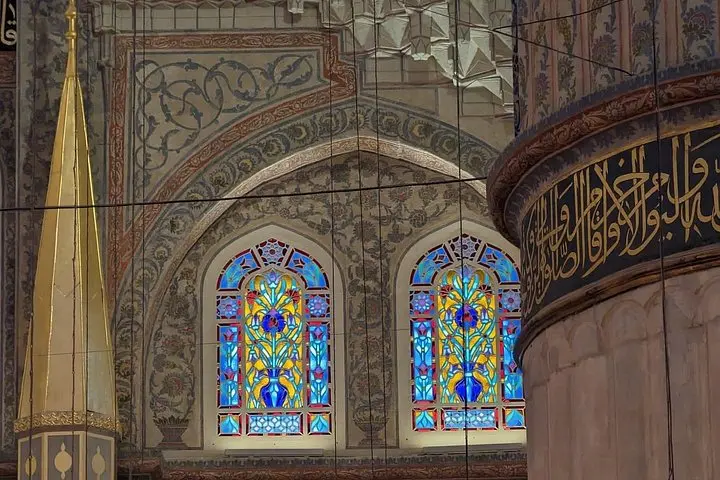
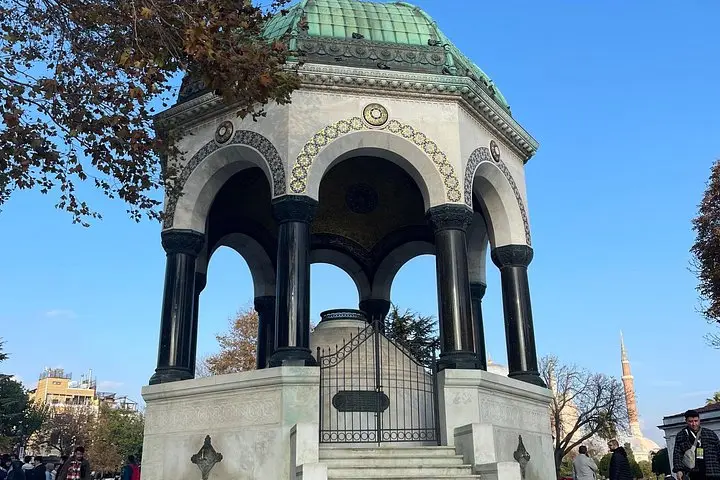
You step from a narrow street into Sultanahmet Square and the city opens like a living map: cobbles underfoot, seagulls wheeling over domes, and the call to prayer threading through alleys. The tour escorts you past the columns of the old Hippodrome, through the shadow of the Blue Mosque’s tiled interior, and beneath the layered history of the Hagia Sophia — each structure holding its own season of power and faith.
You step from a narrow street into Sultanahmet Square and the city opens like a living map: cobbles underfoot, seagulls wheeling over domes, and the call to prayer threading through alleys. The tour escorts you past the columns of the old Hippodrome, through the shadow of the Blue Mosque’s tiled interior, and beneath the layered history of the Hagia Sophia — each structure holding its own season of power and faith.
Constantinople was the hinge between continents: a Byzantine capital layered with Ottoman palaces. Geology and geography shaped it — a peninsula bounded by the Golden Horn, the Bosphorus, and the Sea of Marmara — which made it a crossroads of trade and architecture for millennia. Cultural notes arrive in details: the Ottoman court routines at Topkapı Palace, Byzantine mosaics inside Hagia Sophia, and the market rhythms of the Grand Bazaar founded in 1461.
Expect a lot of walking with stairs and uneven paving; guides typically adapt the route to opening hours and crowd flow. Photography opportunities are constant: sweeping exterior views, decorative tilework, and courtyard scenes at lesser-known bazaars.
Practical guidance: wear sturdy shoes and modest clothing for mosque visits, carry water, and plan for 3–8 hours depending on whether you include museum entries. Bring cash for small purchases and a lightweight bag for stairs and busy streets. If you want to skip lines at Topkapı, buy tickets in advance. The walk blends storytelling and urban navigation — historians and curious travelers both leave with a clearer sense of how empires moved through this city.