THE ADVENTURE COLLECTIVE® · Independent discovery and booking for outdoor travel

Walk Lucerne’s heart in an hour with a local guide: Chapel Bridge, the Lion Monument and painted Old Town squares. Perfect for a quick orientation or first-day introduction before you explore the lake and museums.
Walk Lucerne’s heart in an hour with a local guide: Chapel Bridge, the Lion Monument and painted Old Town squares. Perfect for a quick orientation or first-day introduction before you explore the lake and museums.
A cool, clear morning on Lake Lucerne sets the scene: the Reuss threads through town, nudging you toward the wooden span of Kapellbrücke as your guide unfolds a paper map and points to the route. In an hour you move from hotel reception to Löwenplatz, past the Bourbaki Panorama and up to the carved face of the Lion Monument — a slab of rock that remembers Swiss Guards lost in the French Revolution.
Verified experiences and guided adventures in the surrounding area.
Operated by Citytrip AG · Lucerne, Canton of Lucerne
A cool, clear morning on Lake Lucerne sets the scene: the Reuss threads through town, nudging you toward the wooden span of Kapellbrücke as your guide unfolds a paper map and points to the route. In an hour you move from hotel reception to Löwenplatz, past the Bourbaki Panorama and up to the carved face of the Lion Monument — a slab of rock that remembers Swiss Guards lost in the French Revolution.
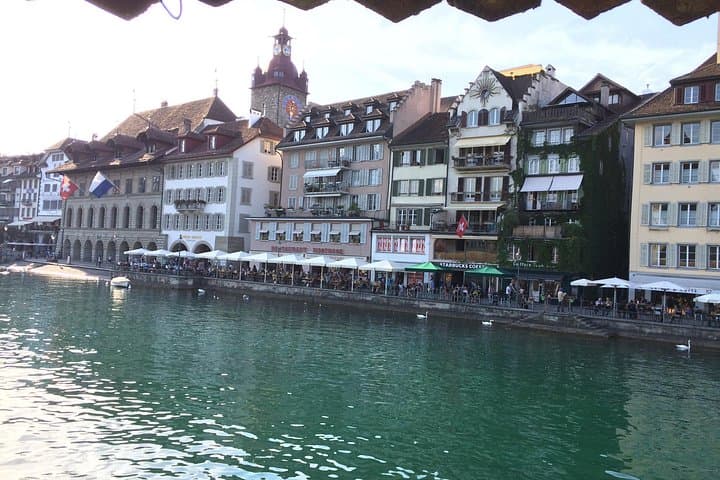
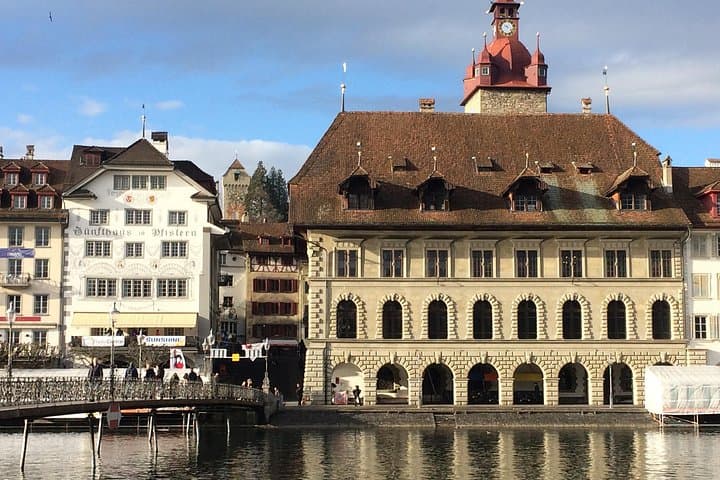
Lucerne sits where water meets the northern edge of the Alps; cobbled streets and painted guild houses hint at a mercantile past when river and road carried goods and soldiers across Europe. The Chapel Bridge dates to the 14th century and still bears 17th-century interior paintings; the Jesuit Church brings early Baroque drama to the riverbank. Cultural touches — fountains that locals prize for taste, pastry shops on Hirschenplatz, and the low hum of a tram — punctuate history with everyday life.
Practicalities are straightforward: the walk is short (60–90 minutes), mostly flat and stroller-friendly, and uses public transport if needed. Expect narrow alleys, stone steps at a few squares, and busy summer crowds around the bridge. Bring a light layer against lake breezes, comfortable shoes for cobbles, and a reusable bottle to refill at historic fountains. Aim for early morning to hear the city wake up or late afternoon for softer light on painted facades. Your guide will answer questions and suggest longer museum or lakeside options if you want to stay longer.
The tour lasts about 60–90 minutes and covers a short, mostly flat route through the Old Town—suitable for most walkers.
The route is stroller-accessible in most parts, but historic streets include some cobbles and small steps; contact the operator if you need full wheelchair access.
Guides are native locals and typically speak English; you can request language needs at booking.
No—this guided walk is focused on public sights; museum visits and admissions are optional and not included.
Citytrip AG operates guided outdoor trips and adventures with an emphasis on safety, stewardship, and memorable experiences.


A cool, clear morning on Lake Lucerne sets the scene: the Reuss threads through town, nudging you toward the wooden span of Kapellbrücke as your guide unfolds a paper map and points to the route. In an hour you move from hotel reception to Löwenplatz, past the Bourbaki Panorama and up to the carved face of the Lion Monument — a slab of rock that remembers Swiss Guards lost in the French Revolution.
A cool, clear morning on Lake Lucerne sets the scene: the Reuss threads through town, nudging you toward the wooden span of Kapellbrücke as your guide unfolds a paper map and points to the route. In an hour you move from hotel reception to Löwenplatz, past the Bourbaki Panorama and up to the carved face of the Lion Monument — a slab of rock that remembers Swiss Guards lost in the French Revolution.
Lucerne sits where water meets the northern edge of the Alps; cobbled streets and painted guild houses hint at a mercantile past when river and road carried goods and soldiers across Europe. The Chapel Bridge dates to the 14th century and still bears 17th-century interior paintings; the Jesuit Church brings early Baroque drama to the riverbank. Cultural touches — fountains that locals prize for taste, pastry shops on Hirschenplatz, and the low hum of a tram — punctuate history with everyday life.
Practicalities are straightforward: the walk is short (60–90 minutes), mostly flat and stroller-friendly, and uses public transport if needed. Expect narrow alleys, stone steps at a few squares, and busy summer crowds around the bridge. Bring a light layer against lake breezes, comfortable shoes for cobbles, and a reusable bottle to refill at historic fountains. Aim for early morning to hear the city wake up or late afternoon for softer light on painted facades. Your guide will answer questions and suggest longer museum or lakeside options if you want to stay longer.