THE ADVENTURE COLLECTIVE® · Independent discovery and booking for outdoor travel

From Lima’s colonial plazas to the orchids of Machu Picchu and the flooded forests of Puerto Maldonado, this 13-day package stitches Peru’s highlands, jungle and lake into a single itinerary. Expect jungle boat transfers, high‑altitude days around Cusco and a train ride to the Lost City.
From Lima’s colonial plazas to the orchids of Machu Picchu and the flooded forests of Puerto Maldonado, this 13-day package stitches Peru’s highlands, jungle and lake into a single itinerary. Expect jungle boat transfers, high‑altitude days around Cusco and a train ride to the Lost City.
You step off the plane in Lima and the salt air seems to tug at your travel-roughened pack; within days you’ll trade Pacific breeze for lowland jungle humidity and then for thin, crystalline mountain air above 3,000 m.
Verified experiences and guided adventures in the surrounding area.
Operated by Tangol · Lima, Lima
You step off the plane in Lima and the salt air seems to tug at your travel-roughened pack; within days you’ll trade Pacific breeze for lowland jungle humidity and then for thin, crystalline mountain air above 3,000 m.
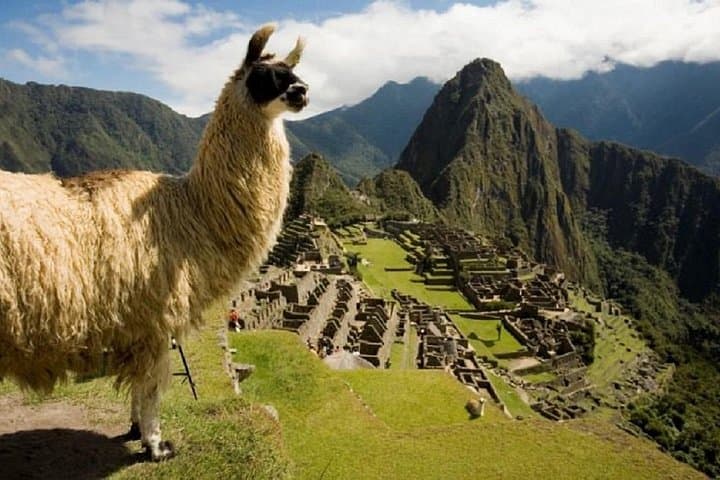
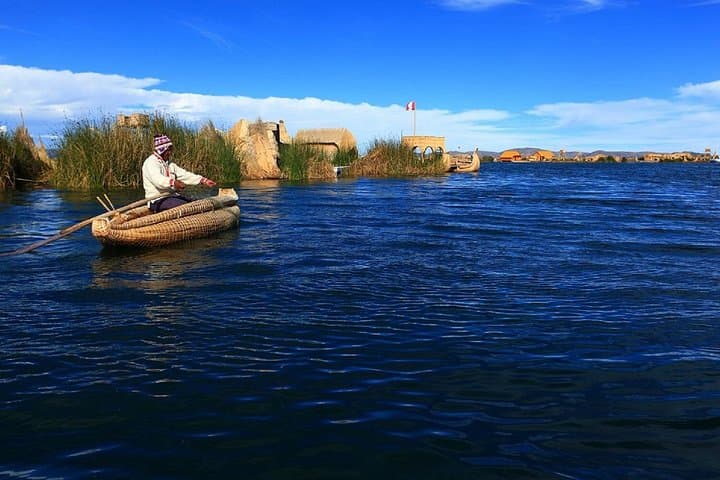
This 13-day circuit threads three distinct Peru: the Pacific coast and colonial streets of Lima, the biodiverse Madre de Dios basin around Puerto Maldonado, and the high Andes crowned by the Sacred Valley and Machu Picchu. Geology here is brutal and beautiful—Amazonian clay and oxbow lagoons give way to steep Andean folds carved by the Urubamba and Vilcanota rivers. Culturally the route traces pre-Columbian to colonial timelines: Inca terraces at Pisac and Ollantaytambo, the stonework of Sacsayhuamán, Aymara reed-built Uros islands and Spanish baroque churches in Arequipa.
Expect active travel rather than remote wilderness immersion: two-hour motorboat transfers on the Madre de Dios, jungle walks to lagoons and viewpoints, a 3+ hour train to Aguas Calientes and a guided two‑hour tour of Machu Picchu. Altitude is real—Cusco sits near 3,400 m and La Raya pass tops 4,335 m—so acclimatize, pace morning hikes, and stay hydrated. Lodges in Puerto Maldonado have limited electricity (typically 5–10pm) and small-boat luggage rules, so carry a daypack with essentials. Footwear should handle muddy jungle trails and cobbled Inca sites; a lightweight rain shell and sun protection are musts year-round. Timed logistics—boat departures, early train schedules and Huayna Picchu permits—mean punctuality keeps the trip smooth. This itinerary balances wildlife encounters with archaeological depth, offering one of the clearest slices of Peru’s ecological and cultural contrast in two weeks.
Vaccination recommendations change—consult your travel clinic; yellow fever vaccination is often advised for Puerto Maldonado and proof may be required, plus routine vaccines should be up to date.
The guided Machu Picchu tour involves walking on uneven stone paths for about two hours; Huayna Picchu is steep and technical and requires good fitness and separate permits.
Yes—large bags typically remain at offices in Puerto Maldonado; lodges and boats usually allow only small backpacks for the river transfer.
The dry season in the Andes runs May–September (clearer skies for Machu Picchu), while the Amazon is wetter December–March; shoulder months (April/October) can balance both.
Tangol operates guided outdoor trips and adventures with an emphasis on safety, stewardship, and memorable experiences.
You step off the plane in Lima and the salt air seems to tug at your travel-roughened pack; within days you’ll trade Pacific breeze for lowland jungle humidity and then for thin, crystalline mountain air above 3,000 m.
You step off the plane in Lima and the salt air seems to tug at your travel-roughened pack; within days you’ll trade Pacific breeze for lowland jungle humidity and then for thin, crystalline mountain air above 3,000 m.
This 13-day circuit threads three distinct Peru: the Pacific coast and colonial streets of Lima, the biodiverse Madre de Dios basin around Puerto Maldonado, and the high Andes crowned by the Sacred Valley and Machu Picchu. Geology here is brutal and beautiful—Amazonian clay and oxbow lagoons give way to steep Andean folds carved by the Urubamba and Vilcanota rivers. Culturally the route traces pre-Columbian to colonial timelines: Inca terraces at Pisac and Ollantaytambo, the stonework of Sacsayhuamán, Aymara reed-built Uros islands and Spanish baroque churches in Arequipa.
Expect active travel rather than remote wilderness immersion: two-hour motorboat transfers on the Madre de Dios, jungle walks to lagoons and viewpoints, a 3+ hour train to Aguas Calientes and a guided two‑hour tour of Machu Picchu. Altitude is real—Cusco sits near 3,400 m and La Raya pass tops 4,335 m—so acclimatize, pace morning hikes, and stay hydrated. Lodges in Puerto Maldonado have limited electricity (typically 5–10pm) and small-boat luggage rules, so carry a daypack with essentials. Footwear should handle muddy jungle trails and cobbled Inca sites; a lightweight rain shell and sun protection are musts year-round. Timed logistics—boat departures, early train schedules and Huayna Picchu permits—mean punctuality keeps the trip smooth. This itinerary balances wildlife encounters with archaeological depth, offering one of the clearest slices of Peru’s ecological and cultural contrast in two weeks.