THE ADVENTURE COLLECTIVE® · Independent discovery and booking for outdoor travel

An 8-day small-group journey from Bucharest through Transylvania and Maramureș that combines medieval towns, UNESCO wooden churches, and mountain roads. Expect daily drives, village visits, and a mix of cultural highlights and natural scenery.
An 8-day small-group journey from Bucharest through Transylvania and Maramureș that combines medieval towns, UNESCO wooden churches, and mountain roads. Expect daily drives, village visits, and a mix of cultural highlights and natural scenery.
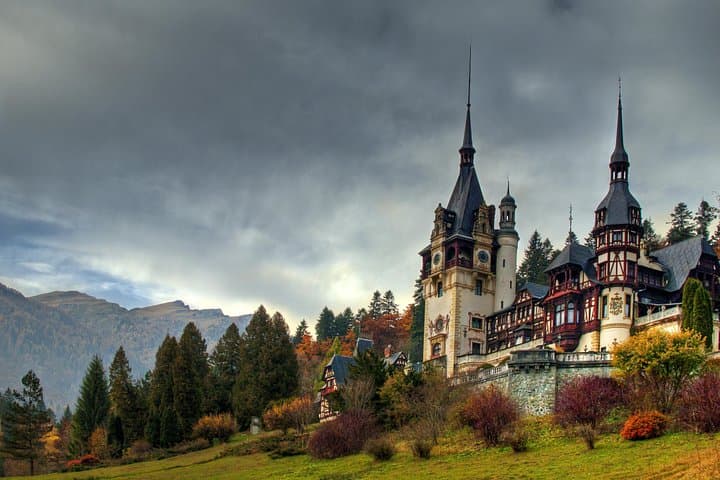
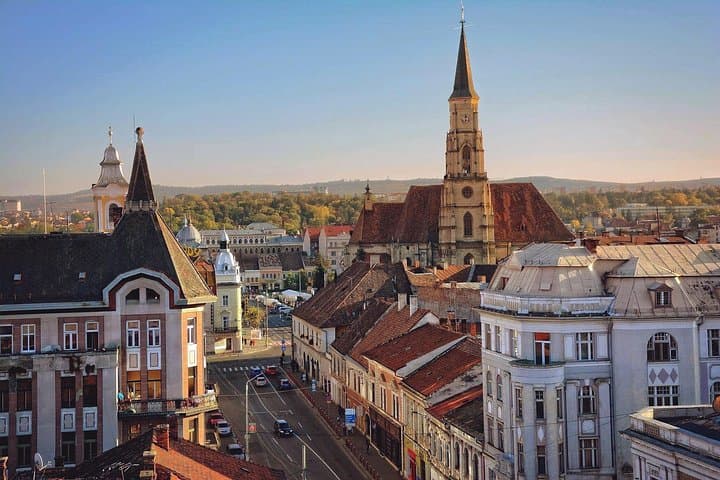
You leave Bucharest’s busy boulevards behind and feel the air change as the road climbs toward the Carpathians. Windows frame rolling farmland, patchwork villages, and church spires that puncture the skyline; every bend hints at a different chapter in Romania’s past.
Verified experiences and guided adventures in the surrounding area.
Operated by Rolandia · Bucharest, Bucharest
You leave Bucharest’s busy boulevards behind and feel the air change as the road climbs toward the Carpathians. Windows frame rolling farmland, patchwork villages, and church spires that puncture the skyline; every bend hints at a different chapter in Romania’s past.
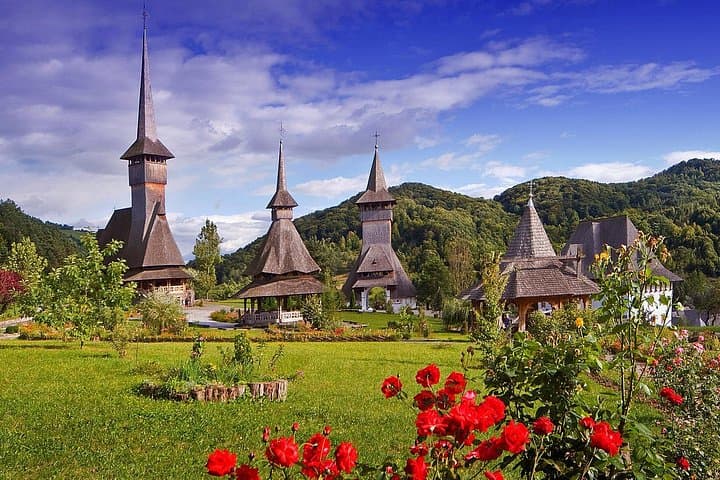
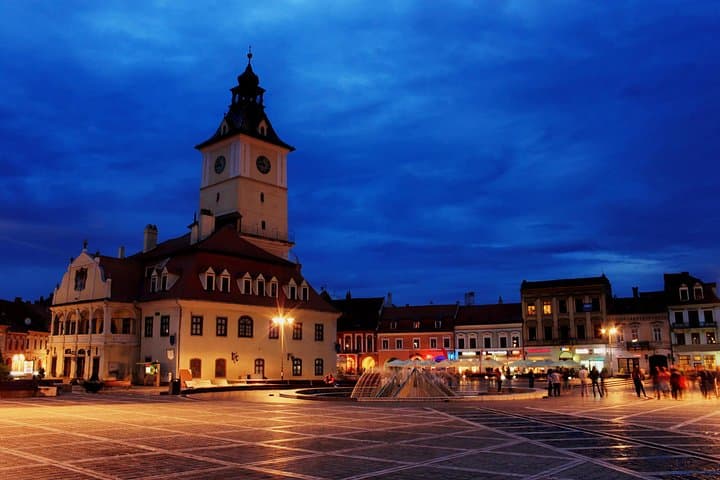
This eight-day small-group route moves from the capital to Transylvania’s fortified towns and into Maramureș’s wooden world. Geologically the Carpathians are an arc of folded sedimentary rock that cradles steep valleys and forested ridges; culturally the region preserves layers of Dacian, Roman, Saxon and Romanian traditions. Visits include Sibiu’s squares and the Bridge of Lies, Alba Iulia’s star-shaped fortress, Turda Salt Mine’s cavernous halls, the cheerful painted crosses of Săpînţa, and Bran Castle where Dracula lore meets medieval architecture. In Maramureș, centuries-old carpentry and hand-carved gates remain everyday life, and a folk dinner reveals recipes passed down through family gardens.
Practicalities are straightforward but real: expect multiple 3–5 hour driving segments and daily walking on cobbles and uneven village tracks; bring supportive footwear and a daypack. Weather shifts quickly in the mountains—layers and a waterproof shell are essential year-round. Be prepared for stairs in medieval towers and limited wheelchair access. Cash (lei) is useful in villages; English is common in tourist towns but learn a few Romanian phrases. Travel with curiosity, respect local rhythms, and pack light to move easily between towns—this trip gives a compact, tangible education in Romania’s landscapes and living traditions.
Expect 2–4 hours of walking most days, including cobbled streets, museum visits and stairs inside castles and churches.
Children must be accompanied by adults; the itinerary is moderate—older travelers in good health can usually join but should be comfortable with multi-hour travel days and stairs.
Breakfast for all seven mornings is included, plus some specific lunches and a folkloric dinner; most listed entrance fees are covered but check your voucher for exact inclusions.
Guides are English-speaking; Romanian is useful in smaller villages but not required for the main tour.
Rolandia operates guided outdoor trips and adventures with an emphasis on safety, stewardship, and memorable experiences.
You leave Bucharest’s busy boulevards behind and feel the air change as the road climbs toward the Carpathians. Windows frame rolling farmland, patchwork villages, and church spires that puncture the skyline; every bend hints at a different chapter in Romania’s past.
You leave Bucharest’s busy boulevards behind and feel the air change as the road climbs toward the Carpathians. Windows frame rolling farmland, patchwork villages, and church spires that puncture the skyline; every bend hints at a different chapter in Romania’s past.
This eight-day small-group route moves from the capital to Transylvania’s fortified towns and into Maramureș’s wooden world. Geologically the Carpathians are an arc of folded sedimentary rock that cradles steep valleys and forested ridges; culturally the region preserves layers of Dacian, Roman, Saxon and Romanian traditions. Visits include Sibiu’s squares and the Bridge of Lies, Alba Iulia’s star-shaped fortress, Turda Salt Mine’s cavernous halls, the cheerful painted crosses of Săpînţa, and Bran Castle where Dracula lore meets medieval architecture. In Maramureș, centuries-old carpentry and hand-carved gates remain everyday life, and a folk dinner reveals recipes passed down through family gardens.
Practicalities are straightforward but real: expect multiple 3–5 hour driving segments and daily walking on cobbles and uneven village tracks; bring supportive footwear and a daypack. Weather shifts quickly in the mountains—layers and a waterproof shell are essential year-round. Be prepared for stairs in medieval towers and limited wheelchair access. Cash (lei) is useful in villages; English is common in tourist towns but learn a few Romanian phrases. Travel with curiosity, respect local rhythms, and pack light to move easily between towns—this trip gives a compact, tangible education in Romania’s landscapes and living traditions.