THE ADVENTURE COLLECTIVE® · Independent discovery and booking for outdoor travel

Spend a day exploring the Sacred Valley’s best—Pisac, Urubamba, Chinchero and Ollantaytambo—on a guided loop from Cusco. This balanced cultural route mixes Inca ruins, markets, and valley landscapes with practical logistics for first-time visitors.
Spend a day exploring the Sacred Valley’s best—Pisac, Urubamba, Chinchero and Ollantaytambo—on a guided loop from Cusco. This balanced cultural route mixes Inca ruins, markets, and valley landscapes with practical logistics for first-time visitors.
You step off the bus into a bowl of light—Andean air crisp enough to make each breath feel deliberate. Stone terraces climb the valley walls like stacked promises, and the Urubamba River below pushes a cool current through fields of corn and quinoa. On a single day this loop visits Pisac’s mountaintop Intihuatana, the market and mud-brick lanes of Chinchero, the gentle town of Urubamba for lunch, and the fortress-terraces of Ollantaytambo.
Verified experiences and guided adventures in the surrounding area.
Operated by Machu Picchu Amazon Peru · Cusco, Cusco Region
You step off the bus into a bowl of light—Andean air crisp enough to make each breath feel deliberate. Stone terraces climb the valley walls like stacked promises, and the Urubamba River below pushes a cool current through fields of corn and quinoa. On a single day this loop visits Pisac’s mountaintop Intihuatana, the market and mud-brick lanes of Chinchero, the gentle town of Urubamba for lunch, and the fortress-terraces of Ollantaytambo.
The valley was the agricultural heartland of the Inca—microclimates and engineered terraces turned steep slopes into reliable harvests. The stonework here is practical poetry: precise joints, trapezoidal niches and water channels that still run centuries later. Geology matters—the valley lies between volcanic and metamorphic formations that gave the Incas the right stone for their masonry and the ridgelines for astronomical sightlines like the Intihuatana.
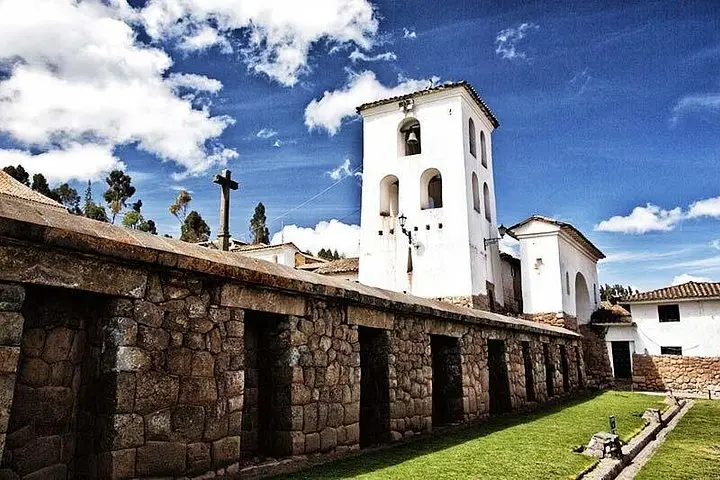
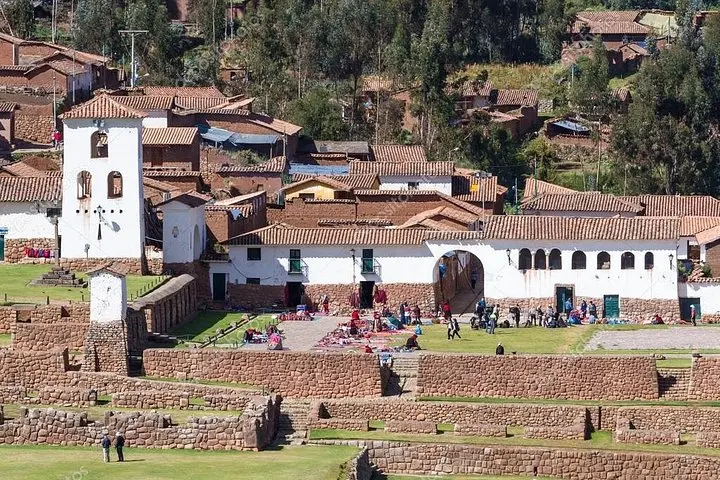
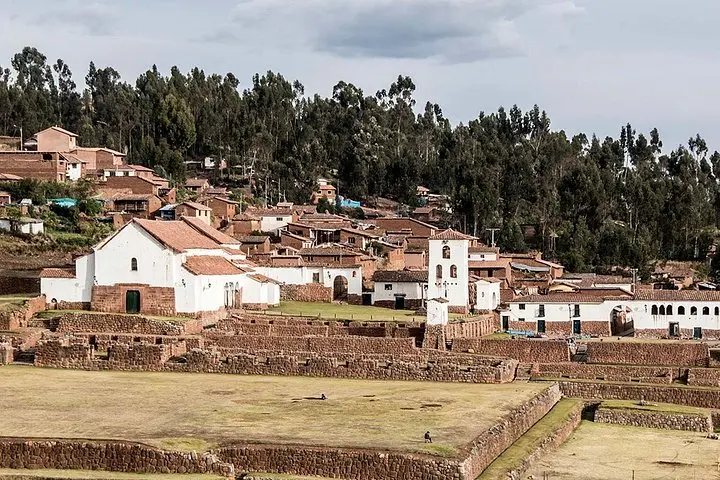
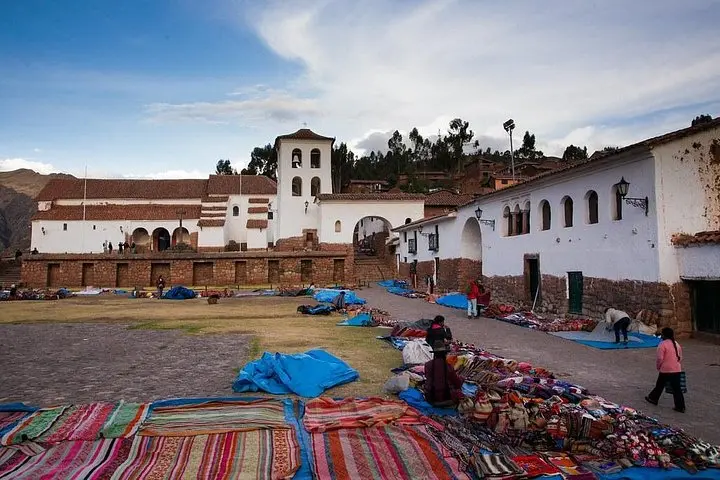
Culture remains alive: market vendors in traditional dress, community-run weaving cooperatives, and small chapels built on Inca foundations. Conversations with local guides clarify how Inca planning, Spanish colonial reconfiguration, and contemporary farming intersect.
Practical guidance: expect an eight-hour day with multiple short walks on uneven stone steps and dusty village streets; bring sunscreen, a hat, and layered clothing for sharp temperature swings. Hydrate before departure, and carry small change for markets. Lunch is included but bring snacks if you have dietary needs. The pace balances photo stops with interpretive time at major ruins, making this a solid introduction to the Sacred Valley for first-time visitors based in Cusco.
The tour is approximately 8 hours and typically departs from hotels in Cusco with scheduled pick-up included.
Lunch and guided transportation are included; entrance fees are usually included for the sites listed but confirm at booking.
The Sacred Valley is high (3,000–3,700 m); mild altitude effects are common—take it slow, hydrate, and avoid alcohol the night before.
Yes—this is categorized as easy with short walks, but participants with limited mobility should check stair counts at specific ruins and notify the operator in advance.
Machu Picchu Amazon Peru operates guided outdoor trips and adventures with an emphasis on safety, stewardship, and memorable experiences.
You step off the bus into a bowl of light—Andean air crisp enough to make each breath feel deliberate. Stone terraces climb the valley walls like stacked promises, and the Urubamba River below pushes a cool current through fields of corn and quinoa. On a single day this loop visits Pisac’s mountaintop Intihuatana, the market and mud-brick lanes of Chinchero, the gentle town of Urubamba for lunch, and the fortress-terraces of Ollantaytambo.
You step off the bus into a bowl of light—Andean air crisp enough to make each breath feel deliberate. Stone terraces climb the valley walls like stacked promises, and the Urubamba River below pushes a cool current through fields of corn and quinoa. On a single day this loop visits Pisac’s mountaintop Intihuatana, the market and mud-brick lanes of Chinchero, the gentle town of Urubamba for lunch, and the fortress-terraces of Ollantaytambo.
The valley was the agricultural heartland of the Inca—microclimates and engineered terraces turned steep slopes into reliable harvests. The stonework here is practical poetry: precise joints, trapezoidal niches and water channels that still run centuries later. Geology matters—the valley lies between volcanic and metamorphic formations that gave the Incas the right stone for their masonry and the ridgelines for astronomical sightlines like the Intihuatana.
Culture remains alive: market vendors in traditional dress, community-run weaving cooperatives, and small chapels built on Inca foundations. Conversations with local guides clarify how Inca planning, Spanish colonial reconfiguration, and contemporary farming intersect.
Practical guidance: expect an eight-hour day with multiple short walks on uneven stone steps and dusty village streets; bring sunscreen, a hat, and layered clothing for sharp temperature swings. Hydrate before departure, and carry small change for markets. Lunch is included but bring snacks if you have dietary needs. The pace balances photo stops with interpretive time at major ruins, making this a solid introduction to the Sacred Valley for first-time visitors based in Cusco.