THE ADVENTURE COLLECTIVE® · Independent discovery and booking for outdoor travel

From Colombo’s humid streets to the cool tea plateaus and remote Gal Oya jungles, this 20-day private tour threads Sri Lanka’s history, wildlife and coastal charm into a single, manageable route. Read on for what to expect, when to go and how to pack.
From Colombo’s humid streets to the cool tea plateaus and remote Gal Oya jungles, this 20-day private tour threads Sri Lanka’s history, wildlife and coastal charm into a single, manageable route. Read on for what to expect, when to go and how to pack.
You step from Bandaranaike Airport into steam—warm air that smells faintly of spice and diesel, a chorus of tuk-tuk horns and roadside vendors. Your private driver eases out of Colombo’s main road and suddenly the city loosens its grip: coconut palms stretch like sentries, the ocean nudges the coast, and the island’s patchwork of histories begins to unspool.
Verified experiences and guided adventures in the surrounding area.
Operated by Lakpura LLC · Colombo, Western Province
You step from Bandaranaike Airport into steam—warm air that smells faintly of spice and diesel, a chorus of tuk-tuk horns and roadside vendors. Your private driver eases out of Colombo’s main road and suddenly the city loosens its grip: coconut palms stretch like sentries, the ocean nudges the coast, and the island’s patchwork of histories begins to unspool.
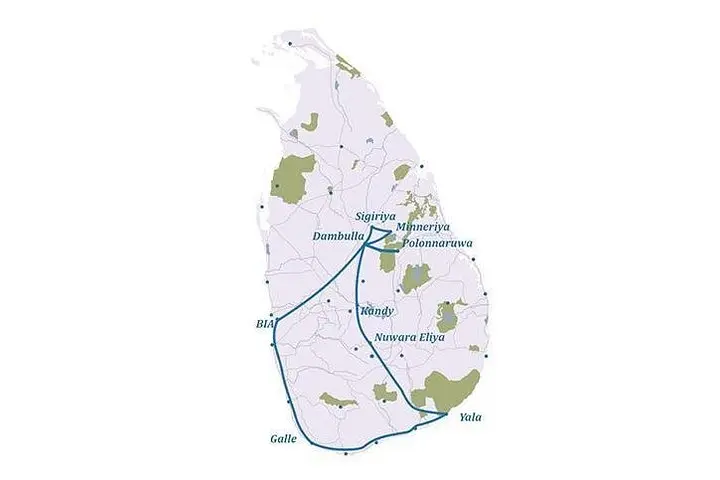
Over the next 20 days the route reads like a field guide to Sri Lanka: colonial Galle with its Dutch fortifications; the sugar-sweet terraces of Nuwara Eliya and Haputale where tea gardens fold like green waves at 1,900–2,000 meters above sea level; the grasslands and marshes of Udawalawe where elephants amble through dawn mist; the remote Gal Oya wilderness where boat safaris thread between islands of jungle; and the coral-ringed Pigeon Island off Trincomalee.
Sri Lanka’s story is written in layers—geology laid down by ancient volcanic activity and uplift, and culture shaped by centuries of sea-borne trade and colonial contest between Portuguese, Dutch and British. The British planted tea at altitude, turning highland estates into the island’s economic heartbeat; coastal towns still bear the mark of European masonry while inland villages maintain Tamil and Sinhalese rhythms of rice, ritual and robust roadside cuisine.
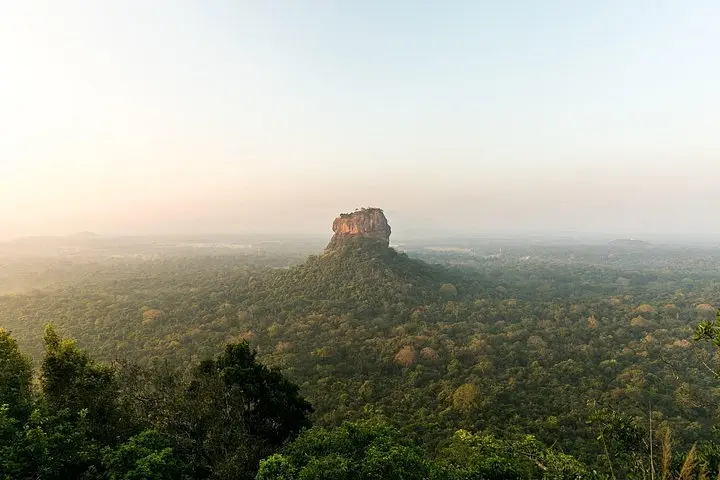
This itinerary balances slow, close-up encounters—stilt fishermen on Koggala’s shallows; a walk through Lipton’s Seat at sunrise—with the cinematic: Sigiriya’s lion stairway, the Nine Arches viaduct outside Ella, and a safari that teaches silence as much as sight when jeeps cut their engines and the forest exhales.
Practical guidance: the trip is run as a private tour in a comfortable vehicle with an English-speaking chauffeur-guide; entrance fees and some activities (like cycling in Galle or private boat safaris) are extra. Expect full travel days interspersed with lighter mornings for walking and market visits. Bring layered clothing for highlands—the temperature can drop to single digits Celsius in Nuwara Eliya at night—and breathable, sun-protective clothing for the coast and dry plains. Comfortable walking shoes, insect repellent, a light rain shell and a daypack make a big difference.
Timing matters: west and south coasts are driest December–April; the east coast shines April–September. If you want a single-window itinerary, aim for the dry season on the side you most want to explore. Carry local cash for village purchases and small temples, and respect temple dress codes—shoulders and knees covered, shoes removed.
At its best this trip places you at the intersection of land and sea, history and current life—where tea slopes breathe and the ocean keeps pulling travelers toward the next horizon.
Some safaris (like Udawalawe and Gal Oya) are part of the itinerary, but park entrance and specific jeep costs may be extra—confirm at booking.
Yes—private transport and flexible pickup make it family-friendly; infant seats are available but check terrain for very young children on safaris.
Routine vaccines are advised; consult your doctor about hepatitis A, typhoid and antimalarial advice for certain areas—bring travel insurance.
Expect moderate walking: short hikes in tea country, steps at Sigiriya, temple visits and boardwalks—nothing technical but steady mobility helps.
Tipping is appreciated for guides and drivers—small daily amounts or a larger sum at trip’s end is common practice.
Yes—the tour is private and flexible; discuss changes with your operator for adjustments to pace, activities or accommodations.
Lakpura LLC operates guided outdoor trips and adventures with an emphasis on safety, stewardship, and memorable experiences.
You step from Bandaranaike Airport into steam—warm air that smells faintly of spice and diesel, a chorus of tuk-tuk horns and roadside vendors. Your private driver eases out of Colombo’s main road and suddenly the city loosens its grip: coconut palms stretch like sentries, the ocean nudges the coast, and the island’s patchwork of histories begins to unspool.
You step from Bandaranaike Airport into steam—warm air that smells faintly of spice and diesel, a chorus of tuk-tuk horns and roadside vendors. Your private driver eases out of Colombo’s main road and suddenly the city loosens its grip: coconut palms stretch like sentries, the ocean nudges the coast, and the island’s patchwork of histories begins to unspool.
Over the next 20 days the route reads like a field guide to Sri Lanka: colonial Galle with its Dutch fortifications; the sugar-sweet terraces of Nuwara Eliya and Haputale where tea gardens fold like green waves at 1,900–2,000 meters above sea level; the grasslands and marshes of Udawalawe where elephants amble through dawn mist; the remote Gal Oya wilderness where boat safaris thread between islands of jungle; and the coral-ringed Pigeon Island off Trincomalee.
Sri Lanka’s story is written in layers—geology laid down by ancient volcanic activity and uplift, and culture shaped by centuries of sea-borne trade and colonial contest between Portuguese, Dutch and British. The British planted tea at altitude, turning highland estates into the island’s economic heartbeat; coastal towns still bear the mark of European masonry while inland villages maintain Tamil and Sinhalese rhythms of rice, ritual and robust roadside cuisine.
This itinerary balances slow, close-up encounters—stilt fishermen on Koggala’s shallows; a walk through Lipton’s Seat at sunrise—with the cinematic: Sigiriya’s lion stairway, the Nine Arches viaduct outside Ella, and a safari that teaches silence as much as sight when jeeps cut their engines and the forest exhales.
Practical guidance: the trip is run as a private tour in a comfortable vehicle with an English-speaking chauffeur-guide; entrance fees and some activities (like cycling in Galle or private boat safaris) are extra. Expect full travel days interspersed with lighter mornings for walking and market visits. Bring layered clothing for highlands—the temperature can drop to single digits Celsius in Nuwara Eliya at night—and breathable, sun-protective clothing for the coast and dry plains. Comfortable walking shoes, insect repellent, a light rain shell and a daypack make a big difference.
Timing matters: west and south coasts are driest December–April; the east coast shines April–September. If you want a single-window itinerary, aim for the dry season on the side you most want to explore. Carry local cash for village purchases and small temples, and respect temple dress codes—shoulders and knees covered, shoes removed.
At its best this trip places you at the intersection of land and sea, history and current life—where tea slopes breathe and the ocean keeps pulling travelers toward the next horizon.