THE ADVENTURE COLLECTIVE® · Independent discovery and booking for outdoor travel

Wake early and follow the scent of grilled seafood into Tsukiji’s market lanes. This three-hour guided walk mixes historic shrines, century-old stalls, and seasonal tastings for a practical, insider view of Tokyo’s food culture.
Wake early and follow the scent of grilled seafood into Tsukiji’s market lanes. This three-hour guided walk mixes historic shrines, century-old stalls, and seasonal tastings for a practical, insider view of Tokyo’s food culture.
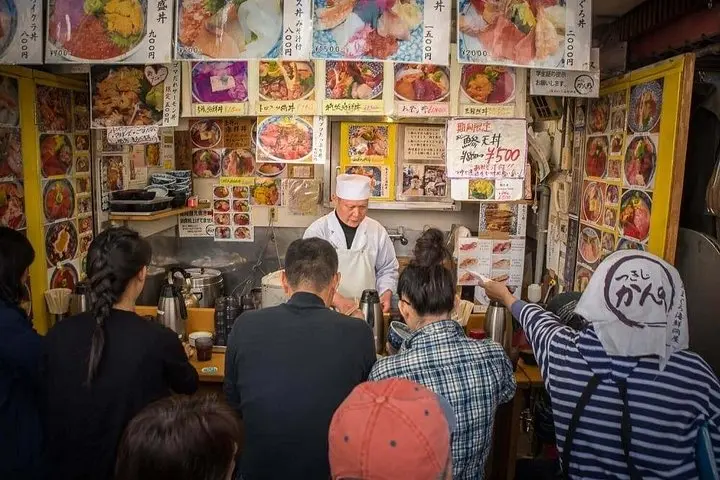
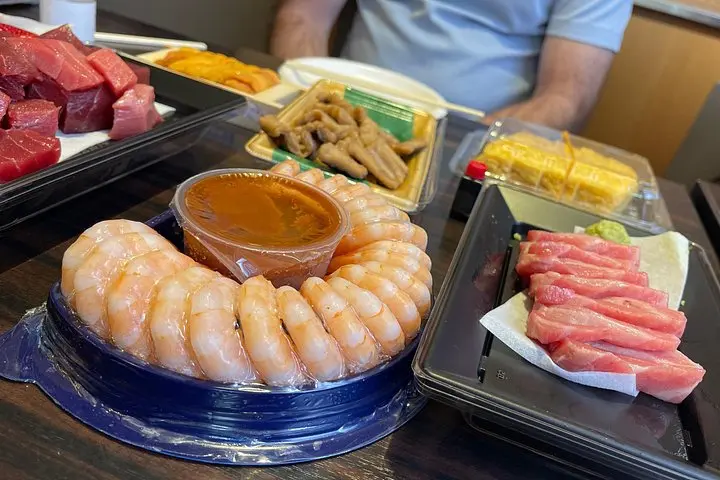
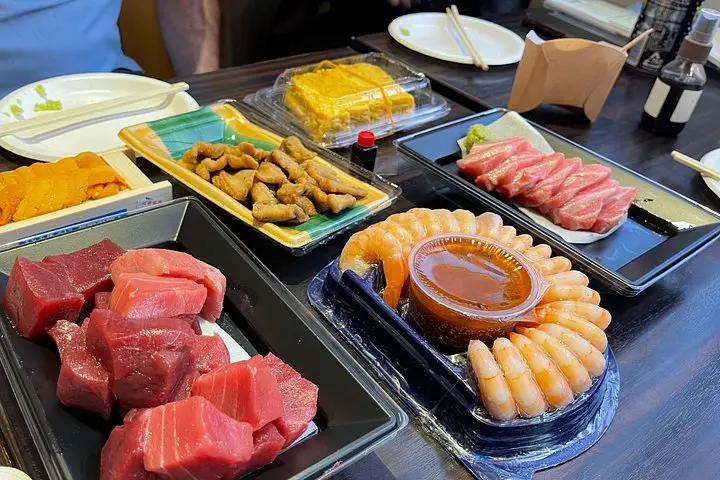
Morning arrives in Tsukiji like a bell: narrow alleys fill with the clack of vendors, charcoal grills hiss, and the smell of sea-salt and sweet tamagoyaki pulls you down the lane.
Verified experiences and guided adventures in the surrounding area.
Operated by Arigato Japan KK · Tokyo, Tokyo
Morning arrives in Tsukiji like a bell: narrow alleys fill with the clack of vendors, charcoal grills hiss, and the smell of sea-salt and sweet tamagoyaki pulls you down the lane.
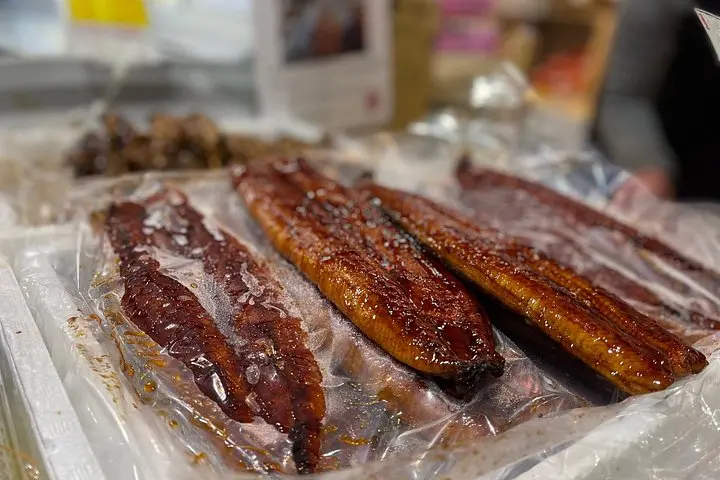
You start with coffee at an artisan counter, then push through the outer stalls where centuries-old shops display pickles, dried seafood, and knives honed by hands that learned their trade here. Guides point out Namiyoke Inari Jinja, a compact shrine that has watched over the market community for generations, and Tsukiji Hongan-ji with its unusual stone façade. The inner market’s wholesale bustle has mostly moved to Toyosu, but this guided route traces the living market: family-run sushi counters, specialty fishmongers who chose to stay, and seasonal bites you won’t find elsewhere.
Geology and geography matter here too—Tokyo Bay’s currents historically fed the fish trade and shaped the neighborhood’s livelihood. Culturally the market is a working neighborhood where recipes and relationships are exchanged across decades; your guide will share vendor stories that give texture to each tasting.
Practical guidance: tours run about three hours starting early—arrive hungry and with cash for small stalls. Wear comfortable, grippy shoes for wet or uneven surfaces and layer for changing indoor/outdoor temperatures. Expect moderate walking, occasional crowds, and substitutions when vendors have closures or market holidays. If you have dietary restrictions notify organizers in advance; vegetarian and gluten-free options are usually available, but pure vegan or no-seafood diets are not recommended.
Yes—children are welcome but must be accompanied by an adult; infants should sit on laps and passport details may be required for kids 10 and older.
Vegetarian, pescatarian, and gluten-free options can usually be arranged if notified in advance; the tour is not recommended for strict vegans or those avoiding all seafood.
Expect moderate walking over mostly flat but sometimes wet and crowded market lanes—bring comfortable shoes and be prepared for short standing stops.
The operator will substitute comparable stops when necessary; tours may change due to market schedules, public holidays, weather, or vendor closures.
Arigato Japan KK operates guided outdoor trips and adventures with an emphasis on safety, stewardship, and memorable experiences.
Morning arrives in Tsukiji like a bell: narrow alleys fill with the clack of vendors, charcoal grills hiss, and the smell of sea-salt and sweet tamagoyaki pulls you down the lane.
Morning arrives in Tsukiji like a bell: narrow alleys fill with the clack of vendors, charcoal grills hiss, and the smell of sea-salt and sweet tamagoyaki pulls you down the lane.
You start with coffee at an artisan counter, then push through the outer stalls where centuries-old shops display pickles, dried seafood, and knives honed by hands that learned their trade here. Guides point out Namiyoke Inari Jinja, a compact shrine that has watched over the market community for generations, and Tsukiji Hongan-ji with its unusual stone façade. The inner market’s wholesale bustle has mostly moved to Toyosu, but this guided route traces the living market: family-run sushi counters, specialty fishmongers who chose to stay, and seasonal bites you won’t find elsewhere.
Geology and geography matter here too—Tokyo Bay’s currents historically fed the fish trade and shaped the neighborhood’s livelihood. Culturally the market is a working neighborhood where recipes and relationships are exchanged across decades; your guide will share vendor stories that give texture to each tasting.
Practical guidance: tours run about three hours starting early—arrive hungry and with cash for small stalls. Wear comfortable, grippy shoes for wet or uneven surfaces and layer for changing indoor/outdoor temperatures. Expect moderate walking, occasional crowds, and substitutions when vendors have closures or market holidays. If you have dietary restrictions notify organizers in advance; vegetarian and gluten-free options are usually available, but pure vegan or no-seafood diets are not recommended.