THE ADVENTURE COLLECTIVE® · Independent discovery and booking for outdoor travel

Paddle a clear-bottom kayak through Mosquito Lagoon with a certified Florida naturalist. Spot dolphins, manatees, and birds while learning why the Indian River Lagoon is one of North America’s richest coastal ecosystems.
Paddle a clear-bottom kayak through Mosquito Lagoon with a certified Florida naturalist. Spot dolphins, manatees, and birds while learning why the Indian River Lagoon is one of North America’s richest coastal ecosystems.
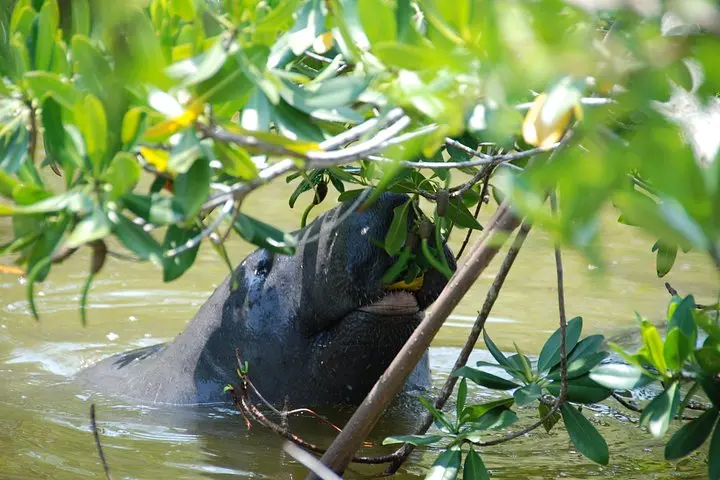
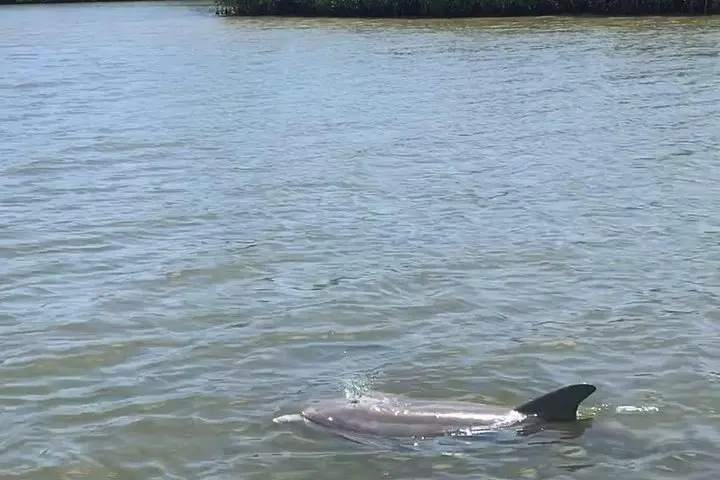
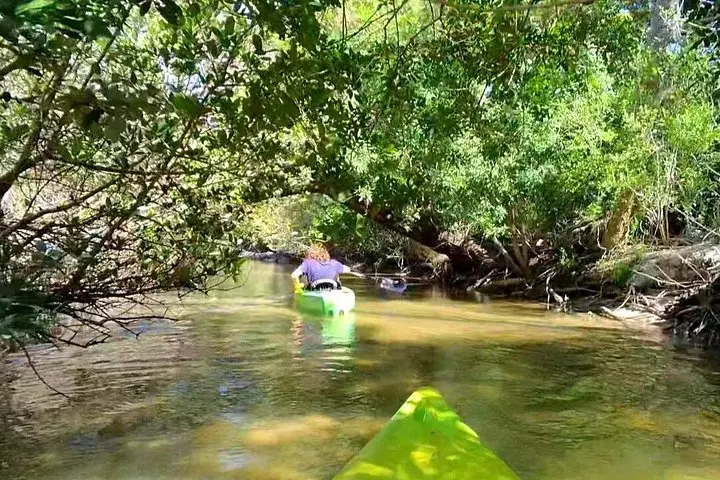
A hush settles over the lagoon as morning light strips the surface into silver. Paddles chip quietly; clear-bottom kayaks glide through narrow channels where mangroves bracket the water like living arches. Dolphins thread the deeper cuts and manatees lift slow breaths beneath the hull—wildlife that seems to appear on cue but is really responding to the quiet curiosity of the place.
Verified experiences and guided adventures in the surrounding area.
Operated by RiverWitch Kayak Rentals & Tours · New Smyrna Beach, Florida
A hush settles over the lagoon as morning light strips the surface into silver. Paddles chip quietly; clear-bottom kayaks glide through narrow channels where mangroves bracket the water like living arches. Dolphins thread the deeper cuts and manatees lift slow breaths beneath the hull—wildlife that seems to appear on cue but is really responding to the quiet curiosity of the place.
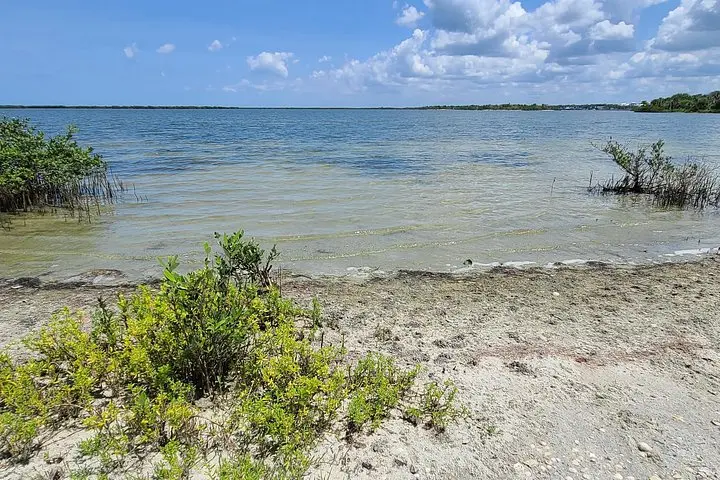
Mosquito Lagoon is part of the Indian River Lagoon estuary, one of North America’s most biodiverse coastal systems. The flat, sediment-rich basin is the product of riverine flow and longshore currents that shaped the barrier islands of Canaveral National Seashore. Indigenous tribes and later coastal settlers used these waterways for food and transport; today the marsh supports nesting birds and seagrass meadows that feed oysters and manatees.
On a guided tour with a certified naturalist, expect interpretive stops, slow paddling through mangrove roots, and explanations of the lagoon’s ecology—why seagrass matters, how tides move shrimp and small fish, and how human land use affects salinity and habitat.
Practical edge: tours run 90–120 minutes, launch from a small boat ramp inside a fish camp, and accommodate beginners in single or double clear kayaks. Bring sun protection, a refillable water bottle, and footwear that can get wet. Plan mornings for cooler temperatures and better wildlife sightings; guides will advise if conditions call for switching to a self-guided option. This trip is ideal for families and first-time paddlers who want close-up wildlife viewing without technical paddling demands.
No—guided clear-bottom kayak tours are designed for beginners; guides provide basic instruction and use stable single or double kayaks.
Common sightings include bottlenose dolphins, West Indian manatees, ospreys, herons, and small estuarine fish around seagrass beds.
Yes—families are welcome; age and weight limits depend on single vs. double kayak configurations, so check with the operator when booking.
Tours may be canceled for safety (high winds, lightning, or rough seas); operators typically allow refunds or rescheduling if they cancel.
RiverWitch Kayak Rentals & Tours operates guided outdoor trips and adventures with an emphasis on safety, stewardship, and memorable experiences.
A hush settles over the lagoon as morning light strips the surface into silver. Paddles chip quietly; clear-bottom kayaks glide through narrow channels where mangroves bracket the water like living arches. Dolphins thread the deeper cuts and manatees lift slow breaths beneath the hull—wildlife that seems to appear on cue but is really responding to the quiet curiosity of the place.
A hush settles over the lagoon as morning light strips the surface into silver. Paddles chip quietly; clear-bottom kayaks glide through narrow channels where mangroves bracket the water like living arches. Dolphins thread the deeper cuts and manatees lift slow breaths beneath the hull—wildlife that seems to appear on cue but is really responding to the quiet curiosity of the place.
Mosquito Lagoon is part of the Indian River Lagoon estuary, one of North America’s most biodiverse coastal systems. The flat, sediment-rich basin is the product of riverine flow and longshore currents that shaped the barrier islands of Canaveral National Seashore. Indigenous tribes and later coastal settlers used these waterways for food and transport; today the marsh supports nesting birds and seagrass meadows that feed oysters and manatees.
On a guided tour with a certified naturalist, expect interpretive stops, slow paddling through mangrove roots, and explanations of the lagoon’s ecology—why seagrass matters, how tides move shrimp and small fish, and how human land use affects salinity and habitat.
Practical edge: tours run 90–120 minutes, launch from a small boat ramp inside a fish camp, and accommodate beginners in single or double clear kayaks. Bring sun protection, a refillable water bottle, and footwear that can get wet. Plan mornings for cooler temperatures and better wildlife sightings; guides will advise if conditions call for switching to a self-guided option. This trip is ideal for families and first-time paddlers who want close-up wildlife viewing without technical paddling demands.