THE ADVENTURE COLLECTIVE® · Independent discovery and booking for outdoor travel

Paddle a clear-hulled kayak through Leeward’s luminous mangroves, then step ashore to meet the charismatic rock iguanas of Little Water Cay. This three-hour outing blends easy paddling, close wildlife viewing and on-water interpretation.
Paddle a clear-hulled kayak through Leeward’s luminous mangroves, then step ashore to meet the charismatic rock iguanas of Little Water Cay. This three-hour outing blends easy paddling, close wildlife viewing and on-water interpretation.
You push off from a low dock and the sea obliges: glassy water parts beneath a transparent hull and the world below is suddenly within reach. The mangrove fingers of Leeward open like a shallow labyrinth, roots combing the surface, sunlight stitching through leaves into bright, moving pools. Guides speak softly, paddles whisper; ahead, a rocky islet bakes in the sun and dark shapes line the shore — rock iguanas, utterly unconcerned by human visitors.
Verified experiences and guided adventures in the surrounding area.
Operated by Caribbean Cruisin · Providenciales, Providenciales
You push off from a low dock and the sea obliges: glassy water parts beneath a transparent hull and the world below is suddenly within reach. The mangrove fingers of Leeward open like a shallow labyrinth, roots combing the surface, sunlight stitching through leaves into bright, moving pools. Guides speak softly, paddles whisper; ahead, a rocky islet bakes in the sun and dark shapes line the shore — rock iguanas, utterly unconcerned by human visitors.
This three-hour clear kayak excursion pairs the tactile rhythm of paddling with island natural history. Providenciales sits on fossilized coral; the coastline is a patchwork of sand flats, mangrove forests and fringing reefs that filter and sharpen water clarity. Mangroves here act as both nursery and bouncer, trapping sediments while feeding seagrass beds that support turtles and juvenile fish. Little Water Cay — the iguana sanctuary commonly visited on this route — has been a conservation focal point for decades, where local efforts removed invasive predators and reestablished a safe refuge for native Cyclura iguanas.
Culturally, the Turks and Caicos are shaped by seafaring and fishing; local guides often trace family histories back through boatbuilding and lobstering, and they treat the mangroves as a living resource. On the water you hear the croak of birds, the click of crabs, and guides narrating both animal behavior and the larger ecological story: why lemon sharks patrol the flats and where turtles come to graze.
Practical guidance: the tour is three hours with roughly two hours kayaking and a one-hour visit to the iguana islet. Expect shallow, calm water and water depths that make for easy sightlines under the clear hull. Paddling is gentle but steady — a moderate fitness level is recommended. Wear reef-safe sunscreen, a hat and quick-dry clothing; water shoes protect when wading around shorelines. The operator offers bottled water and kayaks; guides provide spotting and safety instruction.
Timing is everything: mornings are typically glassy and wildlife activity is higher in the cooler hours; late afternoon brings softer light for photography. Keep distance from wildlife: iguanas are curious but not tame, and the island is managed to minimize disturbance. If you opt for pickup, note the supplier runs transfers from Grace Bay, Leeward and The Bight (taxi fees may apply).
This tour is ideal for travelers who want a low-impact, interpretive encounter with Turks and Caicos’ coastal ecosystems — you’ll leave with a clearer sense of how mangroves, reefs and island conservation intersect, and a memory of paddling over a living reef as iguanas blink on sun-warmed rock.
About two hours of paddling, plus a roughly one-hour stop on the iguana island, totaling three hours.
Yes—guides provide safety instruction and the route uses calm, shallow waters suitable for beginners with moderate fitness.
Yes—the itinerary includes a guided stop at the island where rock iguanas are commonly seen basking on rocks, but you must stay on designated paths and keep distance.
Booking questions request age and DOB; the tour recommends participants be in moderate physical condition—check with the operator for specific age limits.
Pickup and drop-off are offered in Grace Bay, Leeward and The Bight; taxi fees may apply—confirm details at booking.
Common sightings include green sea turtles, lemon sharks in the flats, various reef fish and crabs; water clarity makes underwater viewing excellent.
Caribbean Cruisin operates guided outdoor trips and adventures with an emphasis on safety, stewardship, and memorable experiences.
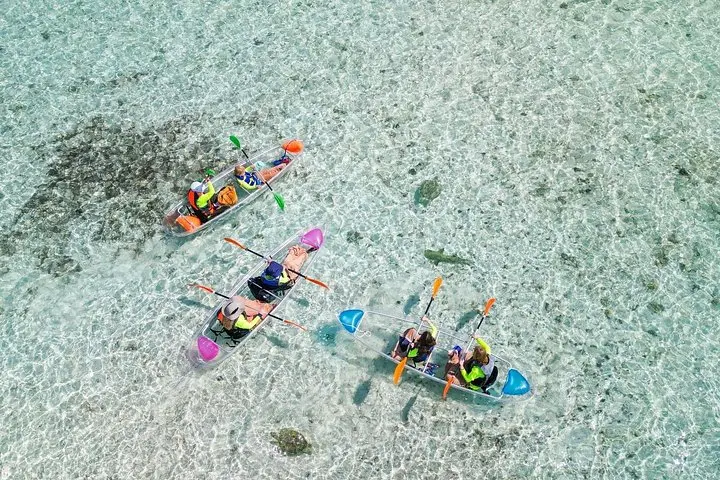
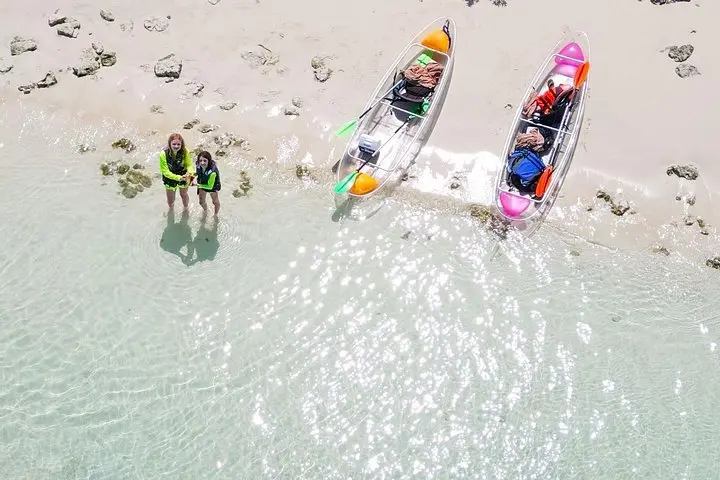
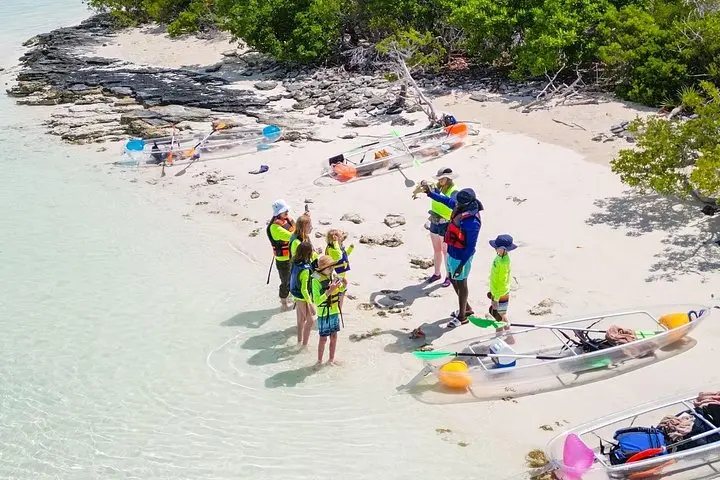
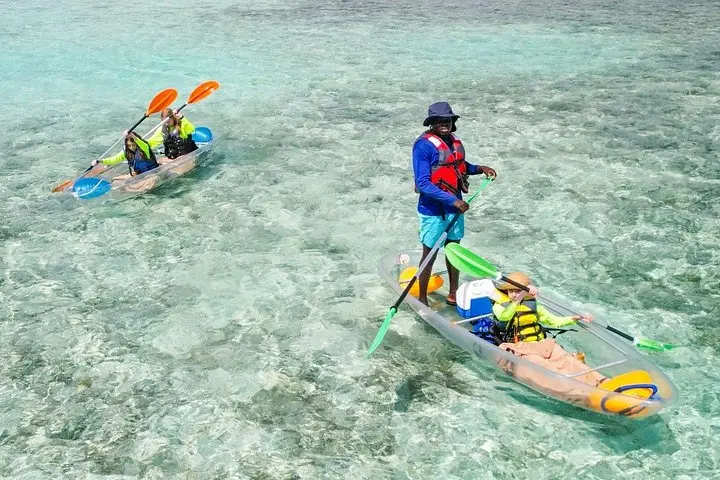
You push off from a low dock and the sea obliges: glassy water parts beneath a transparent hull and the world below is suddenly within reach. The mangrove fingers of Leeward open like a shallow labyrinth, roots combing the surface, sunlight stitching through leaves into bright, moving pools. Guides speak softly, paddles whisper; ahead, a rocky islet bakes in the sun and dark shapes line the shore — rock iguanas, utterly unconcerned by human visitors.
You push off from a low dock and the sea obliges: glassy water parts beneath a transparent hull and the world below is suddenly within reach. The mangrove fingers of Leeward open like a shallow labyrinth, roots combing the surface, sunlight stitching through leaves into bright, moving pools. Guides speak softly, paddles whisper; ahead, a rocky islet bakes in the sun and dark shapes line the shore — rock iguanas, utterly unconcerned by human visitors.
This three-hour clear kayak excursion pairs the tactile rhythm of paddling with island natural history. Providenciales sits on fossilized coral; the coastline is a patchwork of sand flats, mangrove forests and fringing reefs that filter and sharpen water clarity. Mangroves here act as both nursery and bouncer, trapping sediments while feeding seagrass beds that support turtles and juvenile fish. Little Water Cay — the iguana sanctuary commonly visited on this route — has been a conservation focal point for decades, where local efforts removed invasive predators and reestablished a safe refuge for native Cyclura iguanas.
Culturally, the Turks and Caicos are shaped by seafaring and fishing; local guides often trace family histories back through boatbuilding and lobstering, and they treat the mangroves as a living resource. On the water you hear the croak of birds, the click of crabs, and guides narrating both animal behavior and the larger ecological story: why lemon sharks patrol the flats and where turtles come to graze.
Practical guidance: the tour is three hours with roughly two hours kayaking and a one-hour visit to the iguana islet. Expect shallow, calm water and water depths that make for easy sightlines under the clear hull. Paddling is gentle but steady — a moderate fitness level is recommended. Wear reef-safe sunscreen, a hat and quick-dry clothing; water shoes protect when wading around shorelines. The operator offers bottled water and kayaks; guides provide spotting and safety instruction.
Timing is everything: mornings are typically glassy and wildlife activity is higher in the cooler hours; late afternoon brings softer light for photography. Keep distance from wildlife: iguanas are curious but not tame, and the island is managed to minimize disturbance. If you opt for pickup, note the supplier runs transfers from Grace Bay, Leeward and The Bight (taxi fees may apply).
This tour is ideal for travelers who want a low-impact, interpretive encounter with Turks and Caicos’ coastal ecosystems — you’ll leave with a clearer sense of how mangroves, reefs and island conservation intersect, and a memory of paddling over a living reef as iguanas blink on sun-warmed rock.