THE ADVENTURE COLLECTIVE® · Independent discovery and booking for outdoor travel

Slip into a transparent tandem and trace North Miami Beach’s mangrove tunnels where tide, wind, and wildlife set the pace. This guided 2.5-hour paddle blends urban skyline hints with a surprisingly wild estuary, all seen through a crystal-clear hull. Go early for calmer water, cooler air, and prime birdlife.
Slip into a transparent tandem and trace North Miami Beach’s mangrove tunnels where tide, wind, and wildlife set the pace. This guided 2.5-hour paddle blends urban skyline hints with a surprisingly wild estuary, all seen through a crystal-clear hull. Go early for calmer water, cooler air, and prime birdlife.
The clear hull slides off the bank at East Greynolds Park and the water answers back—green, calm, and glassy. Needlefish stitch beneath your feet while the mangroves lean in, their fingerlike roots knitting the channel into a living hallway. A breeze presses from Maule Lake, the tide tugs the bow, and the city hum becomes a soft backdrop. In a tandem transparent kayak, you watch the bottom move like a film reel: swaying seagrass, startled mullet, the quick flick of a mangrove tree crab. The tunnels narrow, light dapples, and the river asks you to match its rhythm—slow strokes, quiet turns, eyes open for the next pocket of shade.
Verified experiences and guided adventures in the surrounding area.
Operated by Get Up And Go Kayaking - Miami · North Miami Beach, Florida
The clear hull slides off the bank at East Greynolds Park and the water answers back—green, calm, and glassy. Needlefish stitch beneath your feet while the mangroves lean in, their fingerlike roots knitting the channel into a living hallway. A breeze presses from Maule Lake, the tide tugs the bow, and the city hum becomes a soft backdrop. In a tandem transparent kayak, you watch the bottom move like a film reel: swaying seagrass, startled mullet, the quick flick of a mangrove tree crab. The tunnels narrow, light dapples, and the river asks you to match its rhythm—slow strokes, quiet turns, eyes open for the next pocket of shade.
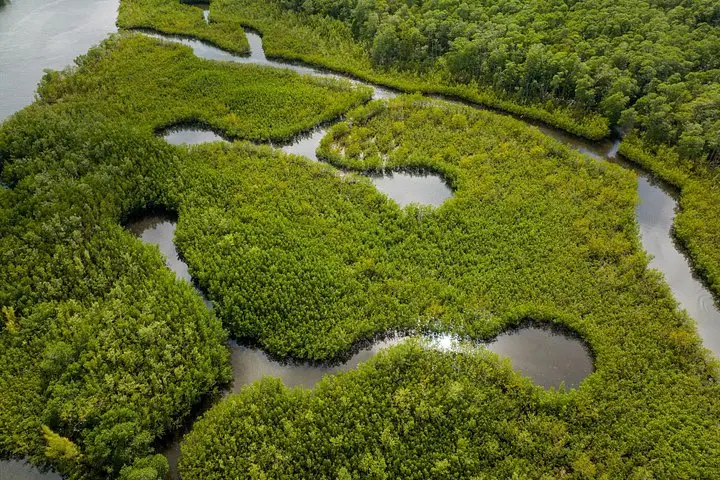
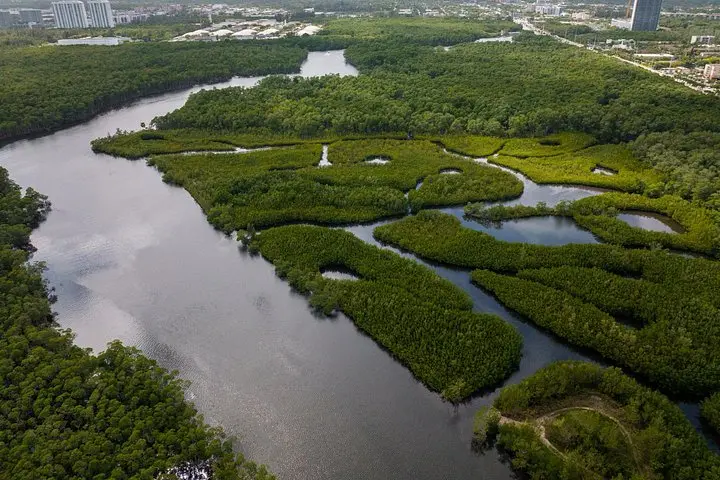
This corner of North Miami Beach is where freshwater and Biscayne Bay meet. The Oleta River once ferried the Tequesta and later the Seminole; limestone bedrock and brackish flow shaped a coast that mangroves still defend. Mid-century dredging carved canals and helped form Maule Lake, but significant shoreline remains wild thanks to Miami-Dade parks and nearby Oleta River State Park—Florida’s largest urban park. The estuary still works hard: roots trap sediment, soften storm surge, and shelter juvenile fish. In winter, manatees browse the canals. Year-round, green herons, cormorants, and ospreys run their daily circuits.
Guides set an easy, deliberate pace on this 2.5-hour outing, with photo breaks and time drifting in the shaded tunnels. Clear kayaks amplify the show under your seat—schools of glass minnows, stingray tracks, occasional starfish on sandy patches. Tidal flow is generally mild here, but breezes can push through the wider reaches near the lake; plan to work a little on the outbound leg and ride it back. The route is friendly to newer paddlers comfortable steering in narrow corridors. Expect a few gentle bends inside the mangroves where short, precise strokes beat power paddling.
Go early or late for cooler air, softer light, and more wildlife activity. Wear sun-protective layers—even under the canopy, reflections work overtime—and bring water you can reach without digging in a bag. The launch sits near parking in the park loop, with rideshare and bus options along Biscayne Boulevard if you’d rather skip the car. Weight limits apply for safety (250 lbs per paddler; 425 lbs combined in a tandem), and you’ll get a PFD, paddle, and dry bag on site. On summer afternoons, expect heat and the odd pop-up shower; in winter, a light windbreaker pays off on the open sections.
By the time you glide back to the launch, the current has done its work—sandbars shifted, shadows slid across the roots, and the river nudged you toward a slower gear. The city is still close, but for a few miles, the mangroves had the floor.
No, beginners are welcome. Guides offer a short paddling and steering briefing, and the route favors calm, protected water with breaks.
Expect coastal birds like green herons and ospreys, mullet and needlefish below the kayak, and in cooler months, occasional manatees in the canals.
Yes. For safety, it’s 250 lbs per guest and 425 lbs combined in a tandem kayak.
Quick-dry clothing, UPF layers, a hat, and water shoes are best. Bring water, reef-safe sunscreen, and a phone in a waterproof case.
Tours run in light conditions but may be canceled for poor weather. You’ll be offered a new date or a full refund.
Service animals are permitted; note that space is limited in tandem kayaks—contact the operator in advance for accommodations.
Get Up And Go Kayaking - Miami operates guided outdoor trips and adventures with an emphasis on safety, stewardship, and memorable experiences.
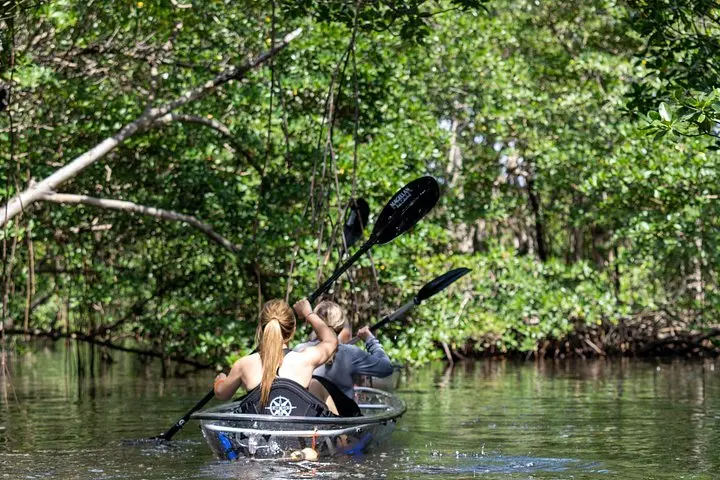
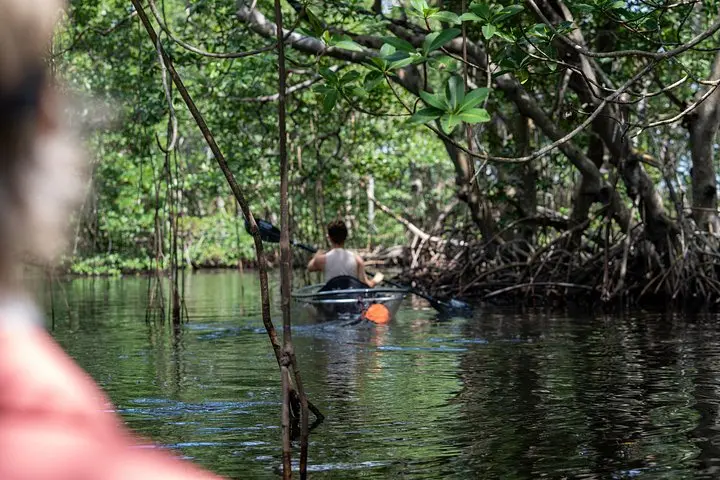
The clear hull slides off the bank at East Greynolds Park and the water answers back—green, calm, and glassy. Needlefish stitch beneath your feet while the mangroves lean in, their fingerlike roots knitting the channel into a living hallway. A breeze presses from Maule Lake, the tide tugs the bow, and the city hum becomes a soft backdrop. In a tandem transparent kayak, you watch the bottom move like a film reel: swaying seagrass, startled mullet, the quick flick of a mangrove tree crab. The tunnels narrow, light dapples, and the river asks you to match its rhythm—slow strokes, quiet turns, eyes open for the next pocket of shade.
The clear hull slides off the bank at East Greynolds Park and the water answers back—green, calm, and glassy. Needlefish stitch beneath your feet while the mangroves lean in, their fingerlike roots knitting the channel into a living hallway. A breeze presses from Maule Lake, the tide tugs the bow, and the city hum becomes a soft backdrop. In a tandem transparent kayak, you watch the bottom move like a film reel: swaying seagrass, startled mullet, the quick flick of a mangrove tree crab. The tunnels narrow, light dapples, and the river asks you to match its rhythm—slow strokes, quiet turns, eyes open for the next pocket of shade.
This corner of North Miami Beach is where freshwater and Biscayne Bay meet. The Oleta River once ferried the Tequesta and later the Seminole; limestone bedrock and brackish flow shaped a coast that mangroves still defend. Mid-century dredging carved canals and helped form Maule Lake, but significant shoreline remains wild thanks to Miami-Dade parks and nearby Oleta River State Park—Florida’s largest urban park. The estuary still works hard: roots trap sediment, soften storm surge, and shelter juvenile fish. In winter, manatees browse the canals. Year-round, green herons, cormorants, and ospreys run their daily circuits.
Guides set an easy, deliberate pace on this 2.5-hour outing, with photo breaks and time drifting in the shaded tunnels. Clear kayaks amplify the show under your seat—schools of glass minnows, stingray tracks, occasional starfish on sandy patches. Tidal flow is generally mild here, but breezes can push through the wider reaches near the lake; plan to work a little on the outbound leg and ride it back. The route is friendly to newer paddlers comfortable steering in narrow corridors. Expect a few gentle bends inside the mangroves where short, precise strokes beat power paddling.
Go early or late for cooler air, softer light, and more wildlife activity. Wear sun-protective layers—even under the canopy, reflections work overtime—and bring water you can reach without digging in a bag. The launch sits near parking in the park loop, with rideshare and bus options along Biscayne Boulevard if you’d rather skip the car. Weight limits apply for safety (250 lbs per paddler; 425 lbs combined in a tandem), and you’ll get a PFD, paddle, and dry bag on site. On summer afternoons, expect heat and the odd pop-up shower; in winter, a light windbreaker pays off on the open sections.
By the time you glide back to the launch, the current has done its work—sandbars shifted, shadows slid across the roots, and the river nudged you toward a slower gear. The city is still close, but for a few miles, the mangroves had the floor.