THE ADVENTURE COLLECTIVE® · Independent discovery and booking for outdoor travel

Head north from Siem Reap to climb to Preah Vihear’s cliff-top terraces and explore Koh Ker’s stepped pyramid on a full-day, small-group tour. Expect long drives, rugged stone steps, and concentrated history across ancient Khmer sites.
Head north from Siem Reap to climb to Preah Vihear’s cliff-top terraces and explore Koh Ker’s stepped pyramid on a full-day, small-group tour. Expect long drives, rugged stone steps, and concentrated history across ancient Khmer sites.
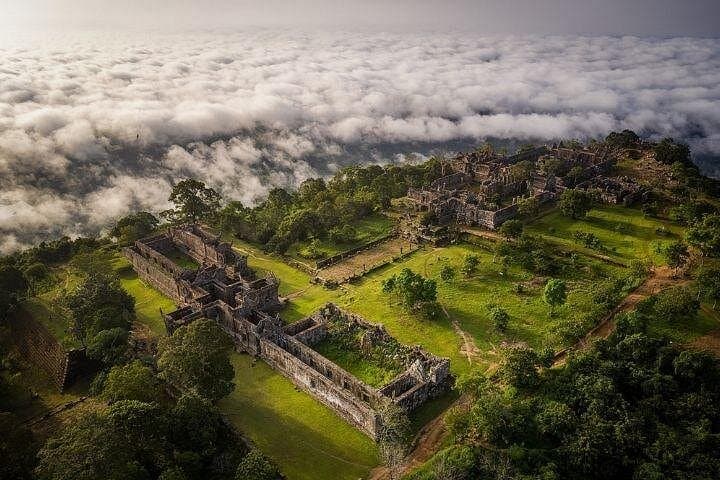
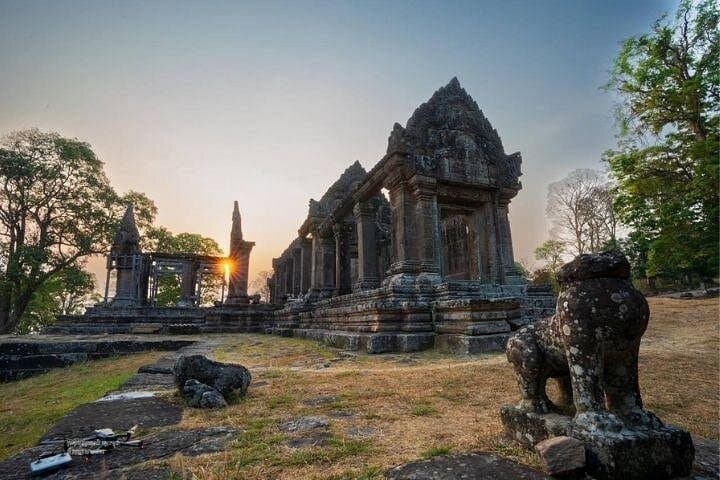
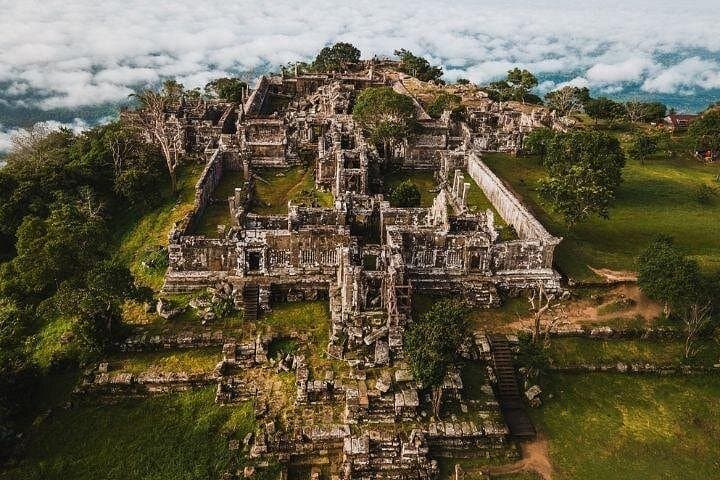
Dawn breaks over Siem Reap as a small vehicle slips through rice paddies toward the Dângrêk escarpment. The air shifts—drier, dust-tinged—by the time you reach the base and climb into a 4x4 for the final ascent. Preah Vihear appears like an argument between stone and sky, its gopuras and stairways clinging to sheer rock and offering broad views across the borderlands.
Verified experiences and guided adventures in the surrounding area.
Operated by Siem Reap Shuttle · Siem Reap, Siem Reap Province
Dawn breaks over Siem Reap as a small vehicle slips through rice paddies toward the Dângrêk escarpment. The air shifts—drier, dust-tinged—by the time you reach the base and climb into a 4x4 for the final ascent. Preah Vihear appears like an argument between stone and sky, its gopuras and stairways clinging to sheer rock and offering broad views across the borderlands.
Preah Vihear is a UNESCO World Heritage Site with roots in the Khmer Empire; its carved sandstone tells stories of kings and cosmology. The ridge-top geology—limestone and uplifted sandstone—creates dramatic platforms and narrow approaches that once made the site defensible. Koh Ker, the so-called Pyramid Temple, shifts the mood: thicker jungle, a stepped pyramid core, and scattered shrines like Prasat Pram and Prasat Linga that speak to a short-lived, ambitious capital.
Cultural notes are straightforward: both sites are sacred and historically complex; dress modestly, move deliberately, and respect local worship practices. The tour’s small-group format (max six) keeps transit efficient—air-conditioned pickup, bottled water and a cold towel are typical inclusions—but expect ten-plus hours on the road with uneven paths and stone steps underfoot.
Practical guidance: wear sturdy, closed-toe shoes; carry sunscreen, insect repellent and at least 1.5 liters of water; bring a lightweight layer for early-morning chill or dust. Mobility limitations, pregnancy, or significant back issues are discouraged due to steep, irregular surfaces. Time your visit for dry-season clarity (November–April) if views are a priority.
The tour runs about 10–11 hours with hotel pickup around 7:00 AM and returns in the evening.
Check booking details—transport and guide are included, but some operators may require separate site entrance fees at Preah Vihear and Koh Ker.
It’s not recommended for children under 12 or travelers with walking disabilities due to steep, uneven surfaces and long transfers.
Conservative, breathable clothing that covers shoulders and knees; comfortable closed-toe shoes; and a light layer for travel.
Siem Reap Shuttle operates guided outdoor trips and adventures with an emphasis on safety, stewardship, and memorable experiences.

Dawn breaks over Siem Reap as a small vehicle slips through rice paddies toward the Dângrêk escarpment. The air shifts—drier, dust-tinged—by the time you reach the base and climb into a 4x4 for the final ascent. Preah Vihear appears like an argument between stone and sky, its gopuras and stairways clinging to sheer rock and offering broad views across the borderlands.
Dawn breaks over Siem Reap as a small vehicle slips through rice paddies toward the Dângrêk escarpment. The air shifts—drier, dust-tinged—by the time you reach the base and climb into a 4x4 for the final ascent. Preah Vihear appears like an argument between stone and sky, its gopuras and stairways clinging to sheer rock and offering broad views across the borderlands.
Preah Vihear is a UNESCO World Heritage Site with roots in the Khmer Empire; its carved sandstone tells stories of kings and cosmology. The ridge-top geology—limestone and uplifted sandstone—creates dramatic platforms and narrow approaches that once made the site defensible. Koh Ker, the so-called Pyramid Temple, shifts the mood: thicker jungle, a stepped pyramid core, and scattered shrines like Prasat Pram and Prasat Linga that speak to a short-lived, ambitious capital.
Cultural notes are straightforward: both sites are sacred and historically complex; dress modestly, move deliberately, and respect local worship practices. The tour’s small-group format (max six) keeps transit efficient—air-conditioned pickup, bottled water and a cold towel are typical inclusions—but expect ten-plus hours on the road with uneven paths and stone steps underfoot.
Practical guidance: wear sturdy, closed-toe shoes; carry sunscreen, insect repellent and at least 1.5 liters of water; bring a lightweight layer for early-morning chill or dust. Mobility limitations, pregnancy, or significant back issues are discouraged due to steep, irregular surfaces. Time your visit for dry-season clarity (November–April) if views are a priority.