THE ADVENTURE COLLECTIVE® · Independent discovery and booking for outdoor travel

Feel the Atlantic wind at your back and seabirds overhead on a walk along the Cliffs of Moher. This practical guide explains what to expect—terrain, wildlife, timing, and gear—to make the most of a day at one of Ireland’s most dramatic coastlines.
Feel the Atlantic wind at your back and seabirds overhead on a walk along the Cliffs of Moher. This practical guide explains what to expect—terrain, wildlife, timing, and gear—to make the most of a day at one of Ireland’s most dramatic coastlines.
Standing at the edge where limestone and shale give way to the Atlantic, the Cliffs of Moher demand attention. Wind pushes against your jacket, seabirds wheel and call, and the sea grinds patterns into the base of cliffs that rise to about 214 meters (700 feet). From the Visitor Centre, pathways thread along the clifftop, opening into broad views toward the Aran Islands and the Galway coast.
Verified experiences and guided adventures in the surrounding area.
Operated by Private Kerry Day tours · Liscannor, County Clare
Standing at the edge where limestone and shale give way to the Atlantic, the Cliffs of Moher demand attention. Wind pushes against your jacket, seabirds wheel and call, and the sea grinds patterns into the base of cliffs that rise to about 214 meters (700 feet). From the Visitor Centre, pathways thread along the clifftop, opening into broad views toward the Aran Islands and the Galway coast.
Geologically the cliffs are Carboniferous sandstone and shale laid down some 300 million years ago; erosion and tide have sculpted sheer faces and offshore stacks. Human history is visible too: O’Brien’s Tower, built in the 19th century, marks an early visitor viewpoint and reflects County Clare’s long relationship with the sea and fishing communities.
Expect a mix of paved sections and rougher, eroded footpaths with exposed edges—nature with personality, sometimes welcoming, sometimes stern. Seabird colonies animate summer mornings; grey seals often appear offshore. The Visitor Centre provides context and facilities, but real time on the path is the reward: changing light, sudden gusts, and the roar of surf.
Practical guidance: allow 4–7 hours for a relaxed visit including transport and viewpoints; dress for wind and rain, bring sturdy footwear with good grip, and keep to marked paths—cliff edges are unstable. Morning light and late afternoon reduce crowds and flatter photos. For binoculars and birdwatching, target summer months when puffins and guillemots are most active. Local operators run timed access and small-group tours from nearby towns—book ahead in high season and prepare for rapidly changing weather.
Plan 4–7 hours including transport, Visitor Centre time, and walking between viewpoints; weather can slow progress.
Yes—the Cliffs of Moher Visitor Centre houses exhibits, restrooms, and a café, but services are limited outside peak hours.
Some vantage points approach the edge but many areas are fenced or closed; respect barriers to avoid unstable ground.
Late spring to summer (May–August) hosts the largest colonies and puffins are most visible then.
Private Kerry Day tours operates guided outdoor trips and adventures with an emphasis on safety, stewardship, and memorable experiences.
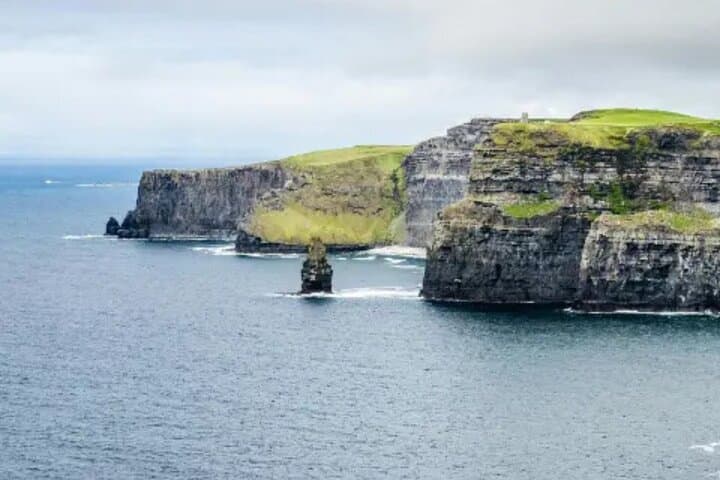


Standing at the edge where limestone and shale give way to the Atlantic, the Cliffs of Moher demand attention. Wind pushes against your jacket, seabirds wheel and call, and the sea grinds patterns into the base of cliffs that rise to about 214 meters (700 feet). From the Visitor Centre, pathways thread along the clifftop, opening into broad views toward the Aran Islands and the Galway coast.
Standing at the edge where limestone and shale give way to the Atlantic, the Cliffs of Moher demand attention. Wind pushes against your jacket, seabirds wheel and call, and the sea grinds patterns into the base of cliffs that rise to about 214 meters (700 feet). From the Visitor Centre, pathways thread along the clifftop, opening into broad views toward the Aran Islands and the Galway coast.
Geologically the cliffs are Carboniferous sandstone and shale laid down some 300 million years ago; erosion and tide have sculpted sheer faces and offshore stacks. Human history is visible too: O’Brien’s Tower, built in the 19th century, marks an early visitor viewpoint and reflects County Clare’s long relationship with the sea and fishing communities.
Expect a mix of paved sections and rougher, eroded footpaths with exposed edges—nature with personality, sometimes welcoming, sometimes stern. Seabird colonies animate summer mornings; grey seals often appear offshore. The Visitor Centre provides context and facilities, but real time on the path is the reward: changing light, sudden gusts, and the roar of surf.
Practical guidance: allow 4–7 hours for a relaxed visit including transport and viewpoints; dress for wind and rain, bring sturdy footwear with good grip, and keep to marked paths—cliff edges are unstable. Morning light and late afternoon reduce crowds and flatter photos. For binoculars and birdwatching, target summer months when puffins and guillemots are most active. Local operators run timed access and small-group tours from nearby towns—book ahead in high season and prepare for rapidly changing weather.