THE ADVENTURE COLLECTIVE® · Independent discovery and booking for outdoor travel

From an underground cave system to a boat ride at the cliffs’ base, this full-day excursion from Dublin pairs geology with sea-swept drama. Expect a 12–13 hour outing with easy walking, interpretive stops, and variable weather.
From an underground cave system to a boat ride at the cliffs’ base, this full-day excursion from Dublin pairs geology with sea-swept drama. Expect a 12–13 hour outing with easy walking, interpretive stops, and variable weather.
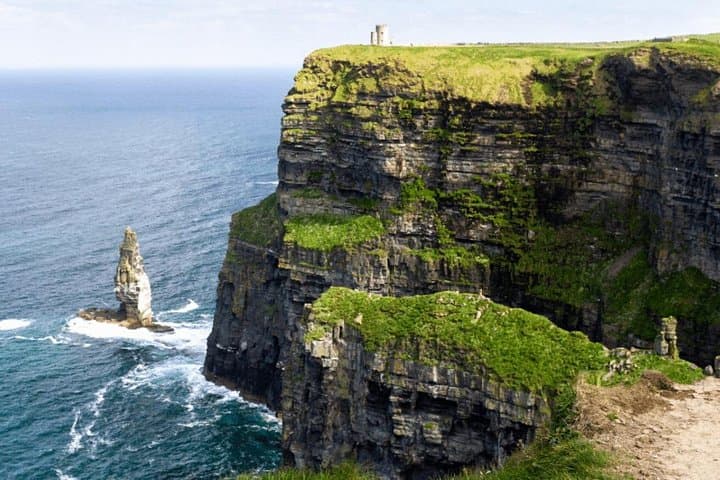
A gray coach slides out of Dublin before dawn and the western coast grows tooth-like on the horizon. You step from the bus into wind that smells of salt and peat; the Atlantic rolls against a dark base and the cliffs rise, stark and vertical, daring you to look up.
Verified experiences and guided adventures in the surrounding area.
Operated by Irish Day Tours · Liscannor, County Clare
A gray coach slides out of Dublin before dawn and the western coast grows tooth-like on the horizon. You step from the bus into wind that smells of salt and peat; the Atlantic rolls against a dark base and the cliffs rise, stark and vertical, daring you to look up.
The day moves through contrasts: a guided descent into Aillwee Cave’s cool chambers where calcite formations curve like frozen waves; then aboveground the Burren’s limestone pavement unfurls — a karst landscape shaped by ancient seas and glacial polishing. The Cliffs of Moher themselves are sandstone and shale, laid down roughly during the Carboniferous and carved by relentless Atlantic weather. Local villages such as Fanore and Liscannor still hold fishing traditions and simple cafés that refuel travelers between viewpoints.
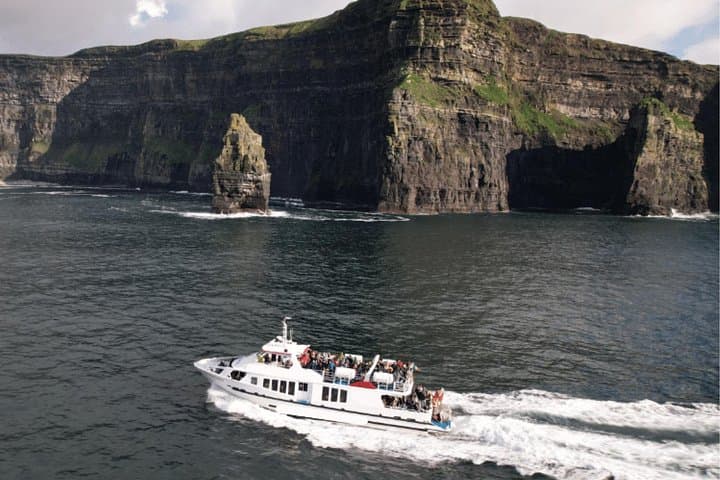
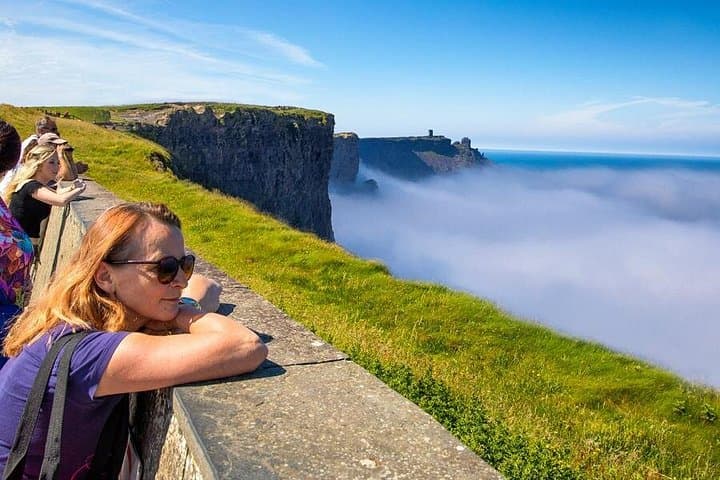
A boat ride along the cliff base shifts perspective: columns of rock tower overhead, seabirds wheel and the sea hammers at hidden grottoes. On the cliff-top trail the interpretive centre explains geology and birdlife; in spring and summer keep an eye out for nesting kittiwakes and the occasional peregrine.
Practical guide: this is a full-day outing (roughly 12–13 hours door-to-door from Dublin), mostly low-impact walking with some stairs at the cave and uneven ground at cliff viewpoints. Wear waterproof layers and sturdy shoes, bring motion-sickness remedies if you’re prone, and allow time at the visitor centre for exhibits. Stay on marked paths and respect nesting zones; tides and weather govern boat operations, so flexibility is essential.
The included boat tour runs about one hour and travels along the base of the cliffs, weather permitting.
The tour notes stroller access for infants; caves and cliff-top paths have steps and uneven terrain so adult supervision is required.
There’s a scheduled lunch stop in Fanore village but meals are not included—bring cash or card for café options.
Full refunds are available if you cancel at least 24 hours before departure; last-minute cancellations are non-refundable.
Irish Day Tours operates guided outdoor trips and adventures with an emphasis on safety, stewardship, and memorable experiences.

A gray coach slides out of Dublin before dawn and the western coast grows tooth-like on the horizon. You step from the bus into wind that smells of salt and peat; the Atlantic rolls against a dark base and the cliffs rise, stark and vertical, daring you to look up.
A gray coach slides out of Dublin before dawn and the western coast grows tooth-like on the horizon. You step from the bus into wind that smells of salt and peat; the Atlantic rolls against a dark base and the cliffs rise, stark and vertical, daring you to look up.
The day moves through contrasts: a guided descent into Aillwee Cave’s cool chambers where calcite formations curve like frozen waves; then aboveground the Burren’s limestone pavement unfurls — a karst landscape shaped by ancient seas and glacial polishing. The Cliffs of Moher themselves are sandstone and shale, laid down roughly during the Carboniferous and carved by relentless Atlantic weather. Local villages such as Fanore and Liscannor still hold fishing traditions and simple cafés that refuel travelers between viewpoints.
A boat ride along the cliff base shifts perspective: columns of rock tower overhead, seabirds wheel and the sea hammers at hidden grottoes. On the cliff-top trail the interpretive centre explains geology and birdlife; in spring and summer keep an eye out for nesting kittiwakes and the occasional peregrine.
Practical guide: this is a full-day outing (roughly 12–13 hours door-to-door from Dublin), mostly low-impact walking with some stairs at the cave and uneven ground at cliff viewpoints. Wear waterproof layers and sturdy shoes, bring motion-sickness remedies if you’re prone, and allow time at the visitor centre for exhibits. Stay on marked paths and respect nesting zones; tides and weather govern boat operations, so flexibility is essential.