THE ADVENTURE COLLECTIVE® · Independent discovery and booking for outdoor travel

Bua Tong’s “Sticky Waterfall” lets you climb currents most waterfalls won’t allow — creamy travertine terraces, a mineral spring called Nam Phu Chet Si, and a cave wrapped in local legend. This day tour from Chiang Mai mixes short hikes, hands-on scrambling, and a Thai buffet picnic.
Bua Tong’s “Sticky Waterfall” lets you climb currents most waterfalls won’t allow — creamy travertine terraces, a mineral spring called Nam Phu Chet Si, and a cave wrapped in local legend. This day tour from Chiang Mai mixes short hikes, hands-on scrambling, and a Thai buffet picnic.
Morning light spreads across the limestone shelves and the waterfall seems to grip the air itself — you plant a foot and the rock holds. At Bua Tong (the “Sticky Waterfall”) the calcium-rich cascades feel almost manufactured: creamy white rock terraces climb roughly 160 meters over four levels, and visitors pick their line like mountaineers on small steps.
Verified experiences and guided adventures in the surrounding area.
Operated by Chiang Mai Butler Service Tours · Chiang Mai, Chiang Mai Province
Morning light spreads across the limestone shelves and the waterfall seems to grip the air itself — you plant a foot and the rock holds. At Bua Tong (the “Sticky Waterfall”) the calcium-rich cascades feel almost manufactured: creamy white rock terraces climb roughly 160 meters over four levels, and visitors pick their line like mountaineers on small steps.
Geology here is the story: mineral-laden water deposits soft tufa and travertine that builds grippy surfaces rather than slick ones, which is why people can climb where most falls would be impossible. The route threads through forested gullies and opens onto Nam Phu Chet Si, a local mineral spring dubbed the “seven colors fountain” for its shifting hues. Local lore shades the place — guides tell of princes and a cavern refuge that became a tragic legend; the big cave above the falls is part folklore, part hollowed limestone shaped by time.
Expect short forest hikes, hands-on scrambling, and a large cave to inspect; the terrain is uneven but forgiving. Plan for a 6–7 hour outing including travel from Chiang Mai, allow time for a picnic-style Thai buffet, and bring water shoes for comfort. Midday light makes the water glow; early morning keeps paths cooler and quieter. Respect fragile travertine: avoid forcing new routes and carry out trash. With sensible footwear, sun protection, and steady footing you’ll leave refreshed — the falls offering both a playful climb and a quiet geological classroom.
The full trip runs about 6–7 hours including roughly a 1h10 drive each way, time at the falls, cave visit, and a picnic lunch.
Yes — the tufa surface is naturally grippy and the route is popular for casual scrambling, but it requires steady footing and attention; avoid climbing during heavy rain.
The operator marks this suitable for most fitness levels; children and older adults can participate but should be monitored on wet, uneven surfaces.
Basic facilities and a picnic-style Thai buffet are typically provided by the tour; bring snacks and water if you prefer specific dietary items.
Chiang Mai Butler Service Tours operates guided outdoor trips and adventures with an emphasis on safety, stewardship, and memorable experiences.

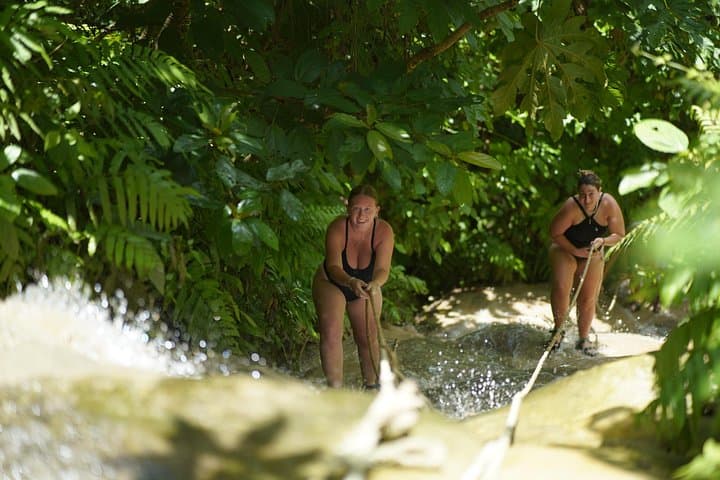
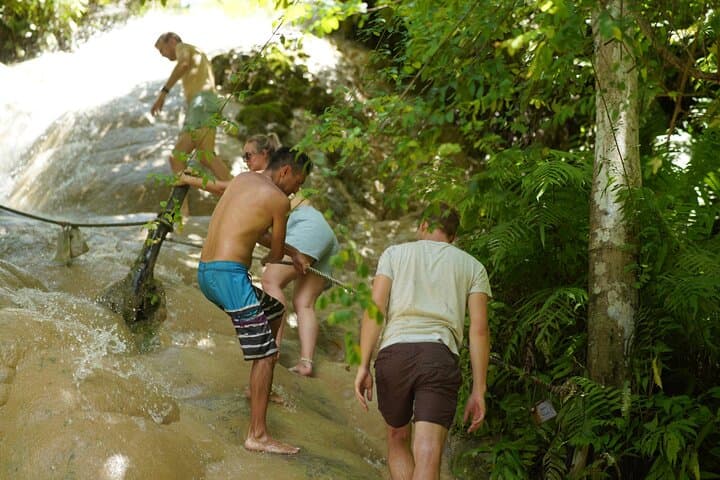
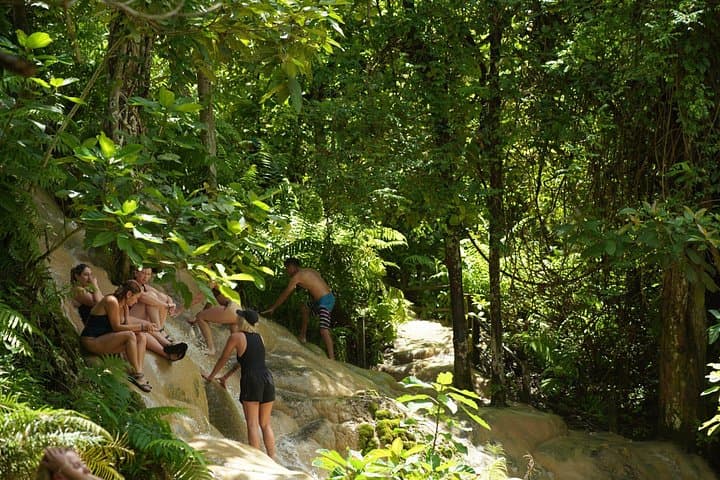
Morning light spreads across the limestone shelves and the waterfall seems to grip the air itself — you plant a foot and the rock holds. At Bua Tong (the “Sticky Waterfall”) the calcium-rich cascades feel almost manufactured: creamy white rock terraces climb roughly 160 meters over four levels, and visitors pick their line like mountaineers on small steps.
Morning light spreads across the limestone shelves and the waterfall seems to grip the air itself — you plant a foot and the rock holds. At Bua Tong (the “Sticky Waterfall”) the calcium-rich cascades feel almost manufactured: creamy white rock terraces climb roughly 160 meters over four levels, and visitors pick their line like mountaineers on small steps.
Geology here is the story: mineral-laden water deposits soft tufa and travertine that builds grippy surfaces rather than slick ones, which is why people can climb where most falls would be impossible. The route threads through forested gullies and opens onto Nam Phu Chet Si, a local mineral spring dubbed the “seven colors fountain” for its shifting hues. Local lore shades the place — guides tell of princes and a cavern refuge that became a tragic legend; the big cave above the falls is part folklore, part hollowed limestone shaped by time.
Expect short forest hikes, hands-on scrambling, and a large cave to inspect; the terrain is uneven but forgiving. Plan for a 6–7 hour outing including travel from Chiang Mai, allow time for a picnic-style Thai buffet, and bring water shoes for comfort. Midday light makes the water glow; early morning keeps paths cooler and quieter. Respect fragile travertine: avoid forcing new routes and carry out trash. With sensible footwear, sun protection, and steady footing you’ll leave refreshed — the falls offering both a playful climb and a quiet geological classroom.