THE ADVENTURE COLLECTIVE® · Independent discovery and booking for outdoor travel

Climb the Acropolis of Ek Balam and cool off in three contrasting cenotes near Valladolid. This full-day private tour pairs close-up Mayan archaeology with turquoise underground swims and practical, local insight.
Climb the Acropolis of Ek Balam and cool off in three contrasting cenotes near Valladolid. This full-day private tour pairs close-up Mayan archaeology with turquoise underground swims and practical, local insight.
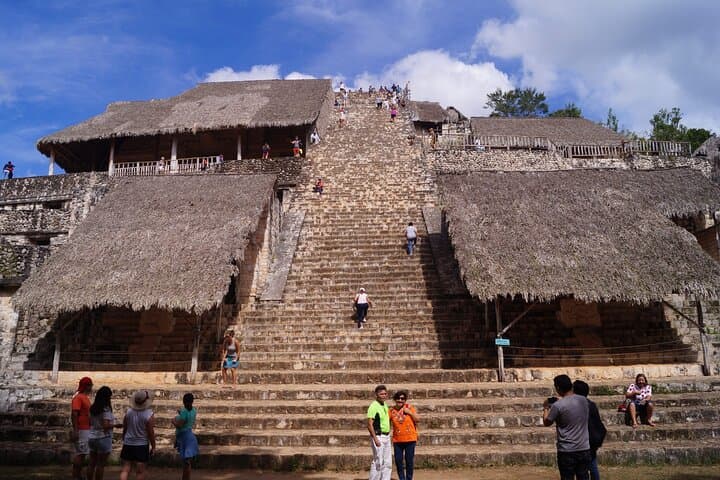
You step from a shaded roadside into hot, fragrant Yucatán air and walk toward the squat silhouette of Ek Balam’s Acropolis rising above the jungle canopy.
Verified experiences and guided adventures in the surrounding area.
Operated by Open Vacations · Valladolid, Yucatán
You step from a shaded roadside into hot, fragrant Yucatán air and walk toward the squat silhouette of Ek Balam’s Acropolis rising above the jungle canopy.
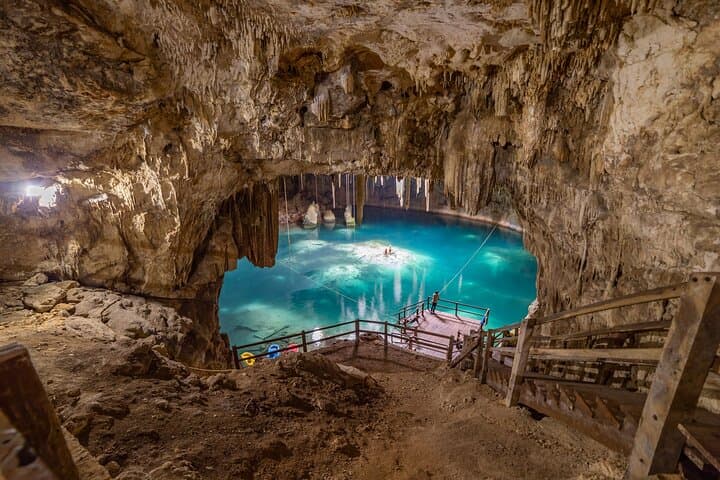
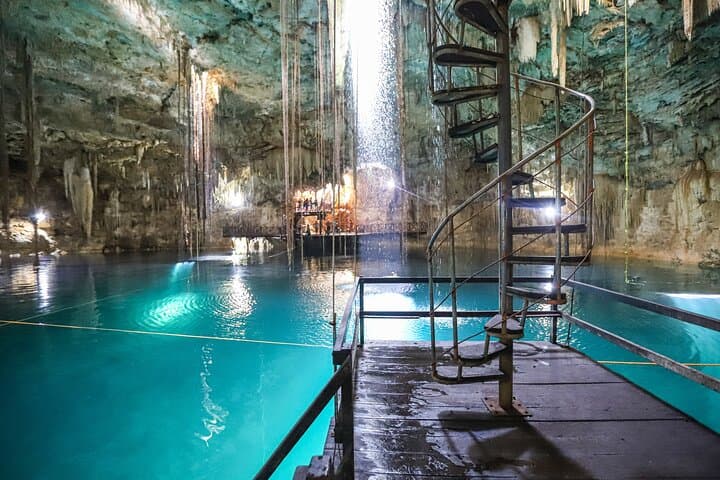
Built in limestone and plaster, the site’s carved facades and stucco overlays still hold faces and glyphs that stare back across centuries. Geology here is simple and stark: flat karst plain laced with underground rivers. The same porous limestone that allowed Maya engineers to sink shafts now creates cenotes—sudden caverns of deep, clear water—where sunlight cuts a beam onto turquoise pools.
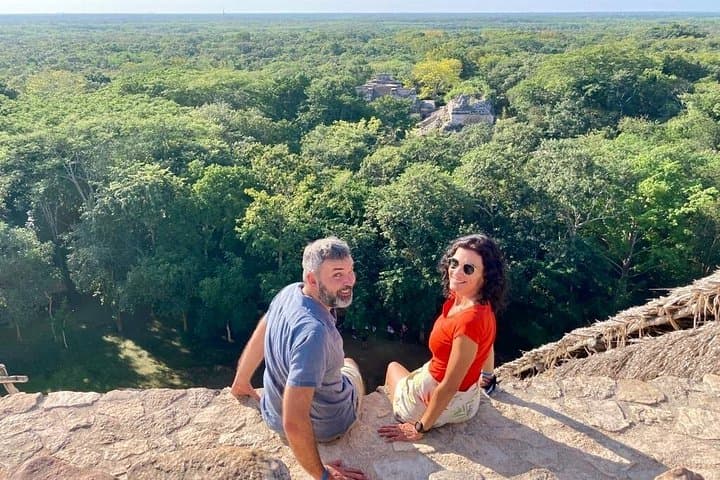
Ek Balam was a regional Maya center (classic period, roughly 600–900 CE). Unlike larger, touristed Chichén Itzá, Ek Balam’s climbable Acropolis—roughly 30–40 meters high—offers closer views of bas-reliefs and an uninterrupted lookout over forested horizon. The cenotes that follow the ruins—Palomitas, Agua Dulce and Xcanahaltun—vary from deep, roofed chambers to semi-open sinkholes with rope swings and calm swim zones. Culturally, cenotes are fresh-water wells long considered sacred by Maya communities.
Practical guidance: expect a full-day outing (about 9 hours with travel), light walking of 1–2 km at the site and stair climbs on steep, uneven steps; elevation change is negligible beyond the Acropolis climb. Bring cash for entrance fees, a swimsuit, water shoes for rocky steps, biodegradable sunscreen and a towel. Midday light (11:00–13:00) gives the best shafts of sun in the cenotes. Wear sturdy sandals for site paths and plan for humidity—take breaks and hydrate. The rhythm of this trip pairs archaeology with cooling swims: climb, descend into cool blue, then float and watch the roof of the world drip into the water below.
No—entrance fees are typically paid on site; plan to carry cash for each location since fees vary and aren’t included in the tour price.
Yes—the main pyramid is climbable via steep stone steps; take care, wear sturdy shoes, and avoid climbing in heavy rain.
Basic swimming comfort is recommended for the cenotes; life vests are often available on request at some cenotes if you prefer.
Small children can participate and strollers work in some areas, but expect stairs and uneven ground at the ruins and cenotes—plan for lifts or assistance when needed.
Open Vacations operates guided outdoor trips and adventures with an emphasis on safety, stewardship, and memorable experiences.
You step from a shaded roadside into hot, fragrant Yucatán air and walk toward the squat silhouette of Ek Balam’s Acropolis rising above the jungle canopy.
You step from a shaded roadside into hot, fragrant Yucatán air and walk toward the squat silhouette of Ek Balam’s Acropolis rising above the jungle canopy.
Built in limestone and plaster, the site’s carved facades and stucco overlays still hold faces and glyphs that stare back across centuries. Geology here is simple and stark: flat karst plain laced with underground rivers. The same porous limestone that allowed Maya engineers to sink shafts now creates cenotes—sudden caverns of deep, clear water—where sunlight cuts a beam onto turquoise pools.
Ek Balam was a regional Maya center (classic period, roughly 600–900 CE). Unlike larger, touristed Chichén Itzá, Ek Balam’s climbable Acropolis—roughly 30–40 meters high—offers closer views of bas-reliefs and an uninterrupted lookout over forested horizon. The cenotes that follow the ruins—Palomitas, Agua Dulce and Xcanahaltun—vary from deep, roofed chambers to semi-open sinkholes with rope swings and calm swim zones. Culturally, cenotes are fresh-water wells long considered sacred by Maya communities.
Practical guidance: expect a full-day outing (about 9 hours with travel), light walking of 1–2 km at the site and stair climbs on steep, uneven steps; elevation change is negligible beyond the Acropolis climb. Bring cash for entrance fees, a swimsuit, water shoes for rocky steps, biodegradable sunscreen and a towel. Midday light (11:00–13:00) gives the best shafts of sun in the cenotes. Wear sturdy sandals for site paths and plan for humidity—take breaks and hydrate. The rhythm of this trip pairs archaeology with cooling swims: climb, descend into cool blue, then float and watch the roof of the world drip into the water below.