THE ADVENTURE COLLECTIVE® · Independent discovery and booking for outdoor travel

A six-day ascent on the Machame Route moves you from humid coffee-farmed slopes to an exposed alpine desert and the summit of Africa. This guide outlines what to expect day by day, the terrain and elevation, and practical tips to reach Uhuru Peak safely.
A six-day ascent on the Machame Route moves you from humid coffee-farmed slopes to an exposed alpine desert and the summit of Africa. This guide outlines what to expect day by day, the terrain and elevation, and practical tips to reach Uhuru Peak safely.
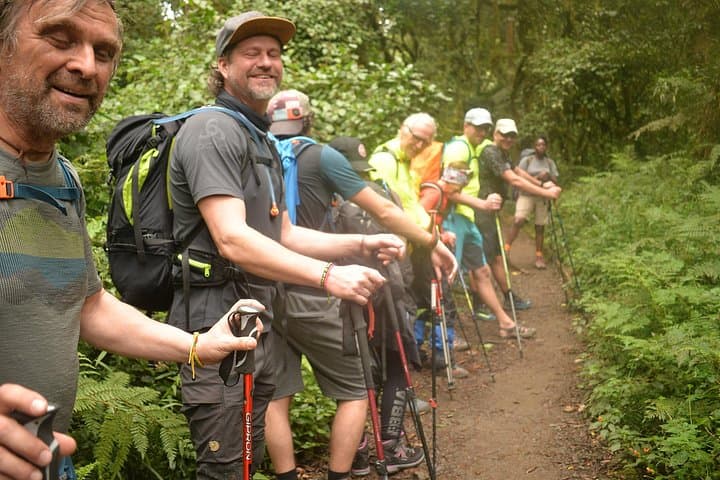
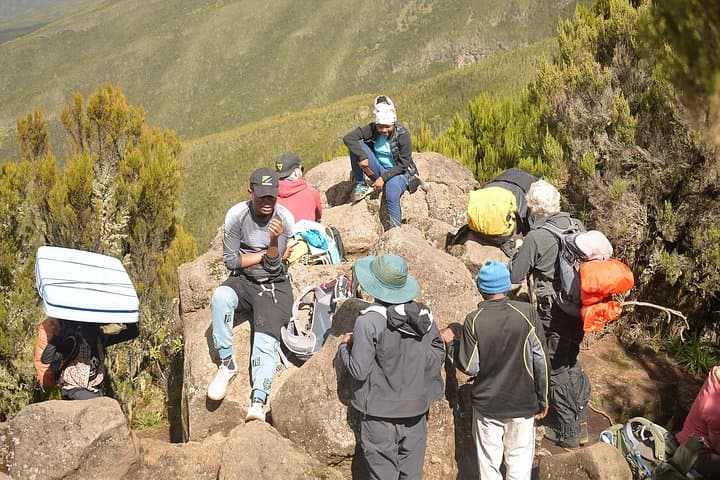
The air on day one tastes of wet earth and coffee; below, Moshi’s cultivated slopes recede and the mountain’s profile grows, a gray-green bulk that keeps its secrets until you are high enough to read them. On the Machame Route a string of camps and porters stitch you into Kilimanjaro’s changing zones: montane forest that crowds the path, an open Shira Plateau that lets the wind lay hands on your pack, a stark alpine desert that dares you on toward the summit.
Verified experiences and guided adventures in the surrounding area.
Operated by KILIMANJARO CLIMBING TOURS · Moshi, Kilimanjaro Region
The air on day one tastes of wet earth and coffee; below, Moshi’s cultivated slopes recede and the mountain’s profile grows, a gray-green bulk that keeps its secrets until you are high enough to read them. On the Machame Route a string of camps and porters stitch you into Kilimanjaro’s changing zones: montane forest that crowds the path, an open Shira Plateau that lets the wind lay hands on your pack, a stark alpine desert that dares you on toward the summit.
Machame is a climber’s classroom in acclimatization and contrast. Geologically, Kilimanjaro is a dormant stratovolcano with three cones—Kibo is the roof you aim for. The trails cross ancient lava and glacial moraines; the summit glaciers are relics of colder eras and now shrink back every year. Culturally, the slopes are Chagga country: terraces, coffee farms, and villages where porters and guides are part of a centuries-old mountain economy. The first recorded successful ascent to Uhuru Peak was in 1889, but the route you take is shaped as much by local knowledge as by rock and weather.
Expect numbers as well as scenery: the trek covers roughly 55–60 km round trip with total elevation gain near 3,900–4,200 m depending on campsite choices. Typical camps: Machame Camp (~2,835 m), Shira (~3,500 m), Barranco (~3,950 m), Barafu (~4,600 m), and the final high point, Uhuru Peak (5,895 m). Daily hiking times vary—4–8 hours on approach days, but summit night often stretches to 10–14 hours round trip. Trail surfaces shift from muddy root-laced forest to loose volcanic scree that can sap your legs and your balance.
Practical edge: pace yourself and treat ascent as the objective, not a race. Hydrate constantly—aim for 3–4 liters a day at higher camps—and use a layered clothing system for rapidly changing temperatures. Trekking poles reduce strain on knees and help on the scree slog up from Barafu. Your guide will monitor altitude symptoms and rotate camps to aid acclimatization; that process is why Machame is usually scheduled over six days.
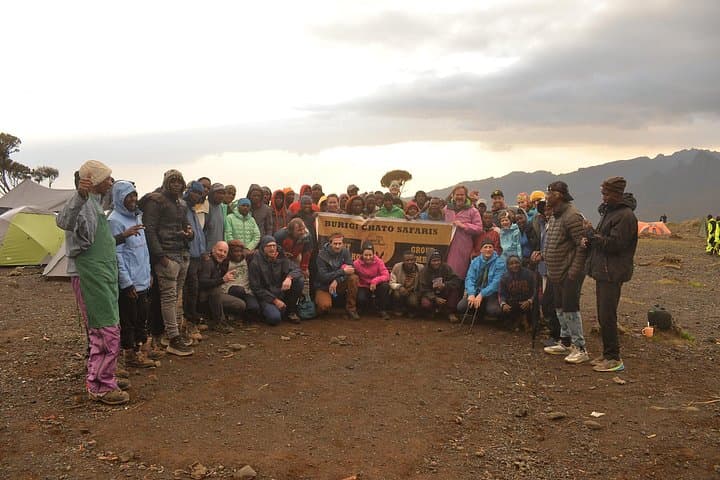
Logistics: most groups meet in Moshi or Arusha for a pre-trek briefing; operators typically include meals, park fees, tents, and porter support. Be prepared to tip porters and guides at the end of the trek—this is a significant part of local income. Leave no trace: pack out waste, stick to trails, and choose an operator committed to registered porters and responsible waste management. With proper preparation the Machame Route delivers both a hard day’s work and one of the most elemental summit experiences on the planet—standing above the clouds, the wind seems to push you forward, demanding only steady breath and steady feet.
Summit night is the longest push—expect a 4–8am start with 6–10 hours of ascent and descent; pacing, layers and hydration are critical.
Not strictly, but prior multi-day trekking at elevation or strong cardiovascular fitness improves chances of success.
Most include park fees, meals on trek, tents, sleeping mats, guides and porters; verify whether pre/post accommodation and tips are included.
Dry seasons—January–mid-March and late June–October—offer the most stable conditions and clearer summit views.
Climb slowly, use a 6-day itinerary to acclimatize, stay hydrated, avoid alcohol, and inform guides of any symptoms early.
Yes—Kilimanjaro National Park requires registered guides and employs porters; choose licensed operators who follow porter welfare rules.
KILIMANJARO CLIMBING TOURS operates guided outdoor trips and adventures with an emphasis on safety, stewardship, and memorable experiences.

The air on day one tastes of wet earth and coffee; below, Moshi’s cultivated slopes recede and the mountain’s profile grows, a gray-green bulk that keeps its secrets until you are high enough to read them. On the Machame Route a string of camps and porters stitch you into Kilimanjaro’s changing zones: montane forest that crowds the path, an open Shira Plateau that lets the wind lay hands on your pack, a stark alpine desert that dares you on toward the summit.
The air on day one tastes of wet earth and coffee; below, Moshi’s cultivated slopes recede and the mountain’s profile grows, a gray-green bulk that keeps its secrets until you are high enough to read them. On the Machame Route a string of camps and porters stitch you into Kilimanjaro’s changing zones: montane forest that crowds the path, an open Shira Plateau that lets the wind lay hands on your pack, a stark alpine desert that dares you on toward the summit.
Machame is a climber’s classroom in acclimatization and contrast. Geologically, Kilimanjaro is a dormant stratovolcano with three cones—Kibo is the roof you aim for. The trails cross ancient lava and glacial moraines; the summit glaciers are relics of colder eras and now shrink back every year. Culturally, the slopes are Chagga country: terraces, coffee farms, and villages where porters and guides are part of a centuries-old mountain economy. The first recorded successful ascent to Uhuru Peak was in 1889, but the route you take is shaped as much by local knowledge as by rock and weather.
Expect numbers as well as scenery: the trek covers roughly 55–60 km round trip with total elevation gain near 3,900–4,200 m depending on campsite choices. Typical camps: Machame Camp (~2,835 m), Shira (~3,500 m), Barranco (~3,950 m), Barafu (~4,600 m), and the final high point, Uhuru Peak (5,895 m). Daily hiking times vary—4–8 hours on approach days, but summit night often stretches to 10–14 hours round trip. Trail surfaces shift from muddy root-laced forest to loose volcanic scree that can sap your legs and your balance.
Practical edge: pace yourself and treat ascent as the objective, not a race. Hydrate constantly—aim for 3–4 liters a day at higher camps—and use a layered clothing system for rapidly changing temperatures. Trekking poles reduce strain on knees and help on the scree slog up from Barafu. Your guide will monitor altitude symptoms and rotate camps to aid acclimatization; that process is why Machame is usually scheduled over six days.
Logistics: most groups meet in Moshi or Arusha for a pre-trek briefing; operators typically include meals, park fees, tents, and porter support. Be prepared to tip porters and guides at the end of the trek—this is a significant part of local income. Leave no trace: pack out waste, stick to trails, and choose an operator committed to registered porters and responsible waste management. With proper preparation the Machame Route delivers both a hard day’s work and one of the most elemental summit experiences on the planet—standing above the clouds, the wind seems to push you forward, demanding only steady breath and steady feet.