THE ADVENTURE COLLECTIVE® · Independent discovery and booking for outdoor travel

An eight-day Lemosho ascent offers a gradual acclimatization profile across forests, the Shira Plateau and alpine desert before a pre-dawn summit push to Uhuru Peak. This guide outlines terrain, logistics, and practical prep to help you plan a safe summit attempt.
An eight-day Lemosho ascent offers a gradual acclimatization profile across forests, the Shira Plateau and alpine desert before a pre-dawn summit push to Uhuru Peak. This guide outlines terrain, logistics, and practical prep to help you plan a safe summit attempt.
At dawn the ridge above Barafu shivers with light; you lace boots and watch the southern ice catch the first color. The Lemosho Route unspools below you—forest, heath, and an alpine desert that dares every step—on an eight-day push toward Uhuru Peak.
Verified experiences and guided adventures in the surrounding area.
Operated by Bush Lion Trekking and Tours · Moshi, Kilimanjaro Region
At dawn the ridge above Barafu shivers with light; you lace boots and watch the southern ice catch the first color. The Lemosho Route unspools below you—forest, heath, and an alpine desert that dares every step—on an eight-day push toward Uhuru Peak.
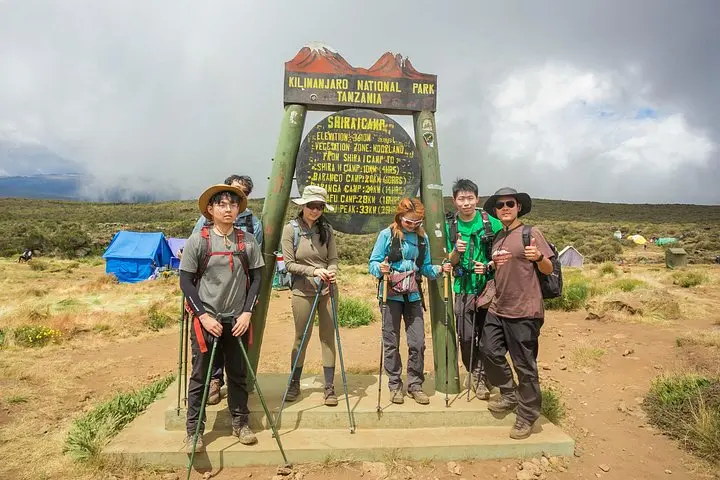
The approach follows a western flank first mapped by early explorers and now shared with the Chagga communities who live in the mountain's shadow. Kilimanjaro is a dormant volcanic massif of three cones—Kibo, Mawenzi and Shira—and the trek crosses Shira Plateau's ancient lava flows before climbing scree toward the summit ridge. Local guides provide weather know-how, route pacing, and cultural context like Kichagga greetings at remote camps.
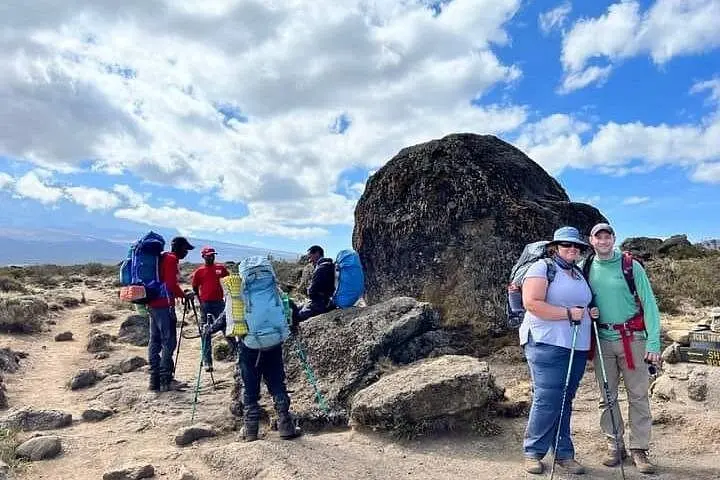
Expect variable terrain: packed rainforest trails, moorland paths, rocky plateaus, and steep scree above 4,000 m. Daily stages average 4–8 hours, with the summit night a 12–16 hour round trip from Barafu. Altitude is the limiting factor; the itinerary builds acclimatization with gradual climbs and a rest day on the plateau.
Prepare with layered clothing, a high-quality sleeping bag, and a hydration plan—water is provided but you should carry 3–4 liters per day. Use well-broken-in, supportive boots and practice long ascents and descents on varied terrain before you go. Summit success hinges on pacing, sleep, and listening to guides; turn-back decisions are part of safe mountaineering. Respect park rules, minimize waste, tip your crew, and plan for weather variability; mornings are cold and afternoons can warm rapidly.
No technical climbing is required—this is a trek—but prior multi-day hiking experience and training for altitude greatly improve comfort and success.
Yes, the itinerary includes park fees and permits; confirm details with the operator before booking.
Dry seasons (January–March and June–October) offer more stable weather and clearer summit views, though conditions can change any time of year.
Mild altitude symptoms are common; serious illness can occur. The 8-day Lemosho schedule increases acclimatization but listen to guides and descend if symptoms worsen.
Bush Lion Trekking and Tours operates guided outdoor trips and adventures with an emphasis on safety, stewardship, and memorable experiences.
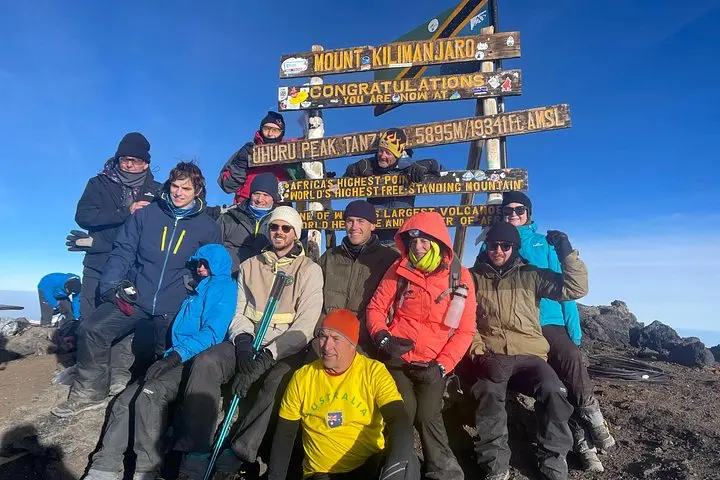
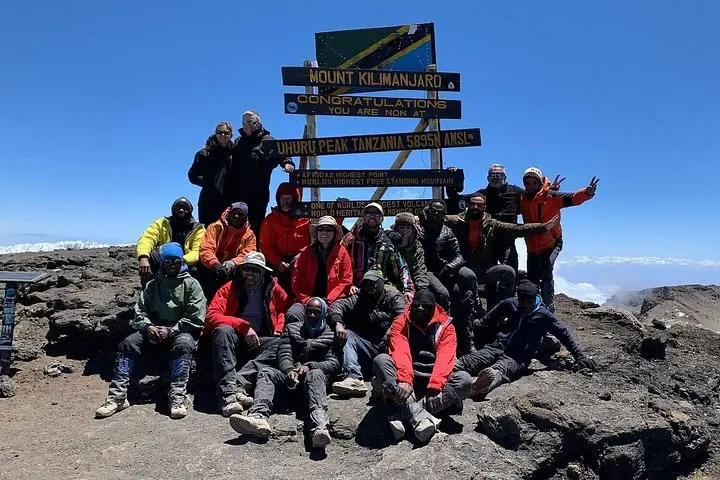
At dawn the ridge above Barafu shivers with light; you lace boots and watch the southern ice catch the first color. The Lemosho Route unspools below you—forest, heath, and an alpine desert that dares every step—on an eight-day push toward Uhuru Peak.
At dawn the ridge above Barafu shivers with light; you lace boots and watch the southern ice catch the first color. The Lemosho Route unspools below you—forest, heath, and an alpine desert that dares every step—on an eight-day push toward Uhuru Peak.
The approach follows a western flank first mapped by early explorers and now shared with the Chagga communities who live in the mountain's shadow. Kilimanjaro is a dormant volcanic massif of three cones—Kibo, Mawenzi and Shira—and the trek crosses Shira Plateau's ancient lava flows before climbing scree toward the summit ridge. Local guides provide weather know-how, route pacing, and cultural context like Kichagga greetings at remote camps.
Expect variable terrain: packed rainforest trails, moorland paths, rocky plateaus, and steep scree above 4,000 m. Daily stages average 4–8 hours, with the summit night a 12–16 hour round trip from Barafu. Altitude is the limiting factor; the itinerary builds acclimatization with gradual climbs and a rest day on the plateau.
Prepare with layered clothing, a high-quality sleeping bag, and a hydration plan—water is provided but you should carry 3–4 liters per day. Use well-broken-in, supportive boots and practice long ascents and descents on varied terrain before you go. Summit success hinges on pacing, sleep, and listening to guides; turn-back decisions are part of safe mountaineering. Respect park rules, minimize waste, tip your crew, and plan for weather variability; mornings are cold and afternoons can warm rapidly.