THE ADVENTURE COLLECTIVE® · Independent discovery and booking for outdoor travel

A west-side approach to Kilimanjaro that balances acclimatization with dramatic terrain: rainforest, moorland, lava towers, and a midnight push to Uhuru Peak. This 9-day Lemosho itinerary is for fit hikers ready for long days and high-altitude exposure.
A west-side approach to Kilimanjaro that balances acclimatization with dramatic terrain: rainforest, moorland, lava towers, and a midnight push to Uhuru Peak. This 9-day Lemosho itinerary is for fit hikers ready for long days and high-altitude exposure.
At dawn the forest breathes around you — mist threading between giant lobelias as porters shuffle tents and the trail narrows into rooty steps. The Lemosho Route begins on Kilimanjaro’s western flanks, moving from dense rainforest into open moorland, then across a raw volcanic plateau before the scree and ice of the high summit push you to your limits.
Verified experiences and guided adventures in the surrounding area.
Operated by Legend Expeditions · Moshi, Kilimanjaro Region
At dawn the forest breathes around you — mist threading between giant lobelias as porters shuffle tents and the trail narrows into rooty steps. The Lemosho Route begins on Kilimanjaro’s western flanks, moving from dense rainforest into open moorland, then across a raw volcanic plateau before the scree and ice of the high summit push you to your limits.
Geologically Kilimanjaro is a three-peaked stratovolcano; the Lemosho approach exposes that history as weathered lava domes and the broad Shira Plateau that was once a larger volcanic cone. Culturally, the mountain frames Chagga farming communities around Moshi — coffee farms and village markets that feel a world away from the silent altitude above.
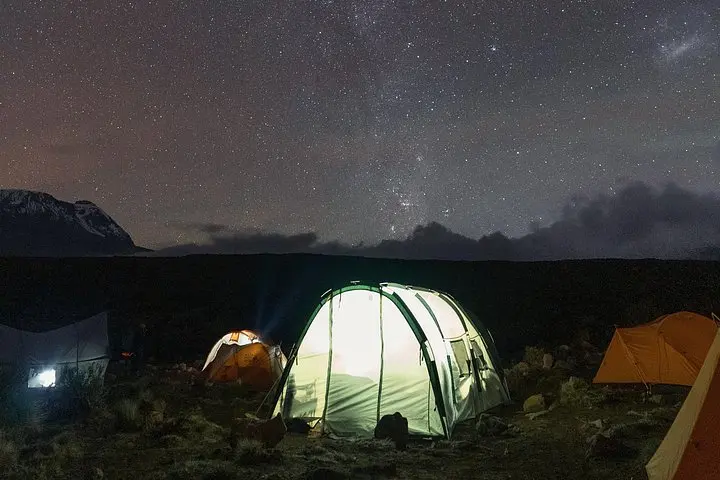
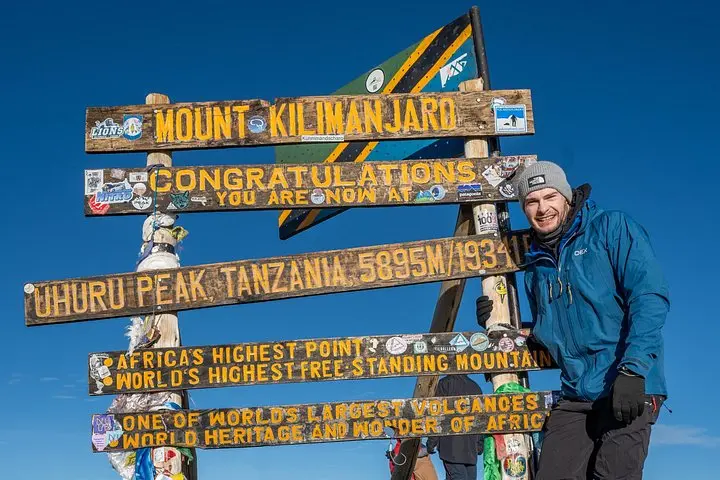
On this 9-day itinerary you’ll sleep in tented camps with cot beds, climb through distinct ecological zones, and use a climb-high, sleep-low approach for acclimatization. Expect full days of trekking (4–8 hours), hands-on scrambling at the Barranco Wall, and a midnight summit push from Barafu to Stella Point and Uhuru Peak.
Practical edge: hydrate early, carry layered insulation for the -10°C summit wind, and use trekking poles for scree descents. Guides, cooks, and porters manage logistics and meals — your main tasks are pacing, following altitude advice, and protecting feet and skin.
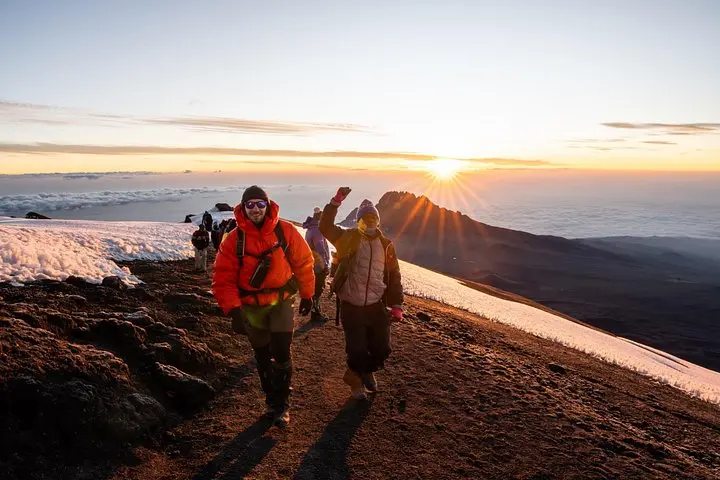
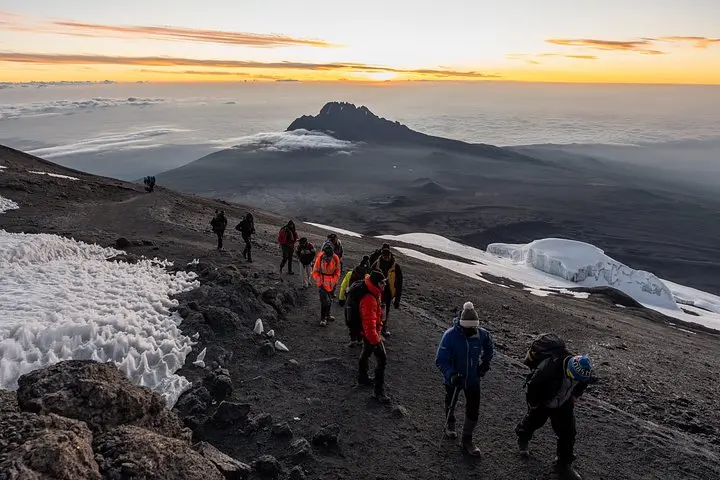
This route rewards patient climbers with panoramic crater rims and sunrise over Mawenzi. With proper preparation and respect for altitude, the roof of Africa is within reach.
Success varies by fitness and acclimatization; Lemosho’s gradual profile generally produces higher summit rates than shorter routes, but altitude still determines outcomes.
No technical mountaineering skills are required, but expect sections of scrambling (Barranco Wall) and steep scree; good balance and comfort on exposed ground help.
Standard travel vaccinations for Tanzania are recommended; park fees and climbing permits are included by operators—verify details before booking and carry passport copies.
Porters typically handle communal gear and personal duffels up to the agreed limit (often 15–20 kg); pack light and put essential summit layers in your daypack.
Legend Expeditions operates guided outdoor trips and adventures with an emphasis on safety, stewardship, and memorable experiences.
At dawn the forest breathes around you — mist threading between giant lobelias as porters shuffle tents and the trail narrows into rooty steps. The Lemosho Route begins on Kilimanjaro’s western flanks, moving from dense rainforest into open moorland, then across a raw volcanic plateau before the scree and ice of the high summit push you to your limits.
At dawn the forest breathes around you — mist threading between giant lobelias as porters shuffle tents and the trail narrows into rooty steps. The Lemosho Route begins on Kilimanjaro’s western flanks, moving from dense rainforest into open moorland, then across a raw volcanic plateau before the scree and ice of the high summit push you to your limits.
Geologically Kilimanjaro is a three-peaked stratovolcano; the Lemosho approach exposes that history as weathered lava domes and the broad Shira Plateau that was once a larger volcanic cone. Culturally, the mountain frames Chagga farming communities around Moshi — coffee farms and village markets that feel a world away from the silent altitude above.
On this 9-day itinerary you’ll sleep in tented camps with cot beds, climb through distinct ecological zones, and use a climb-high, sleep-low approach for acclimatization. Expect full days of trekking (4–8 hours), hands-on scrambling at the Barranco Wall, and a midnight summit push from Barafu to Stella Point and Uhuru Peak.
Practical edge: hydrate early, carry layered insulation for the -10°C summit wind, and use trekking poles for scree descents. Guides, cooks, and porters manage logistics and meals — your main tasks are pacing, following altitude advice, and protecting feet and skin.
This route rewards patient climbers with panoramic crater rims and sunrise over Mawenzi. With proper preparation and respect for altitude, the roof of Africa is within reach.