THE ADVENTURE COLLECTIVE® · Independent discovery and booking for outdoor travel

Walk from Moshi’s tropical coffee farms through mossy forest and alpine desert to stand on Uhuru Peak at dawn. The Marangu Route offers hut accommodations, cultural encounters with the Chagga, and a straightforward path to Africa’s highest summit.
Walk from Moshi’s tropical coffee farms through mossy forest and alpine desert to stand on Uhuru Peak at dawn. The Marangu Route offers hut accommodations, cultural encounters with the Chagga, and a straightforward path to Africa’s highest summit.
The night air on Kilimanjaro is thin and honest. At Mandara Hut you fall asleep to the steady murmur of porters packing away metal cups and the distant, patient breathing of the mountain. Dawn brings a filtered light through the upper rainforest—a green so intense it seems to push you upward. Over eight days the Marangu Route graduates in character from dripping moss and orchids to brittle alpine desert and, finally, a rim-of-the-world summit at Uhuru Peak.
Verified experiences and guided adventures in the surrounding area.
Operated by OneSeed Expeditions · Moshi, Kilimanjaro Region
The night air on Kilimanjaro is thin and honest. At Mandara Hut you fall asleep to the steady murmur of porters packing away metal cups and the distant, patient breathing of the mountain. Dawn brings a filtered light through the upper rainforest—a green so intense it seems to push you upward. Over eight days the Marangu Route graduates in character from dripping moss and orchids to brittle alpine desert and, finally, a rim-of-the-world summit at Uhuru Peak.
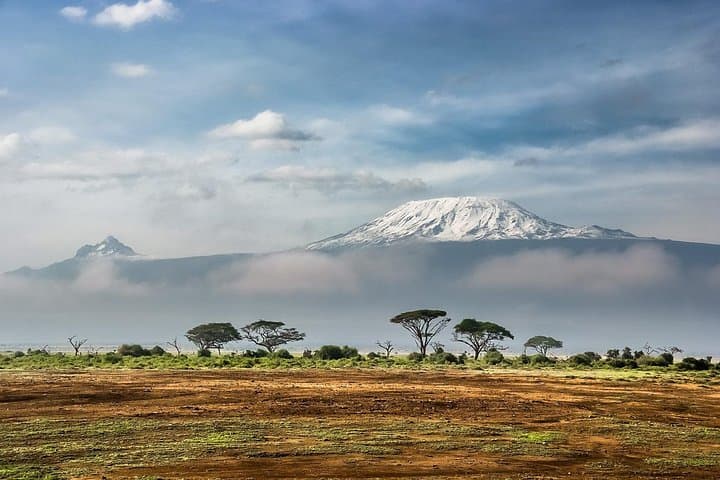
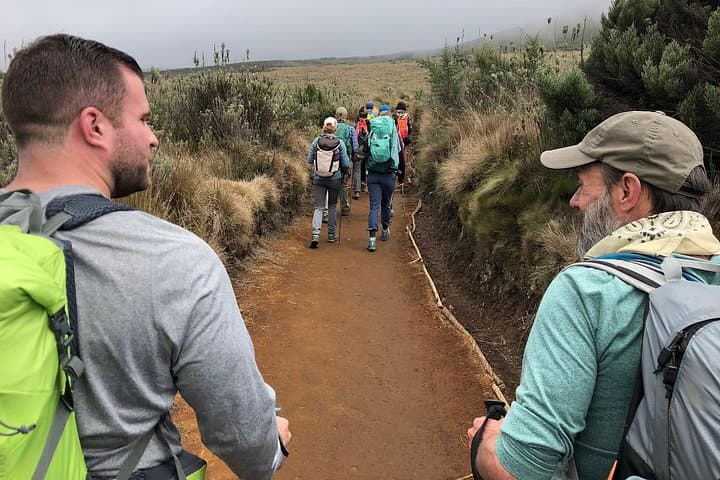
Marangu is the oldest and one of the most straightforward trails to Kilimanjaro, favored for its hut accommodations and incremental acclimatization days. The route routes through habitats that change abruptly with elevation: lowland coffee farms and Chagga villages give way to montane rainforest, then heather and moorland where giant senecios stand like slow-moving sculptures. Geologically, Kilimanjaro is a strato-volcano comprised of three cones—Kibo, Mawenzi and Shira—Kibo’s crater holding the final, fragile summit glaciers that have been retreating for decades.
Culture is woven into the first days of the trek. Moshi, the usual staging town, is alive with Chagga coffee trade and local markets where you can taste peaberry coffee and meet guides who grew up on the mountain’s slopes. Along the trail you pass ancestral burial grounds and learn local place names; porters and guides will often share Chagga stories and practical mountain lore.
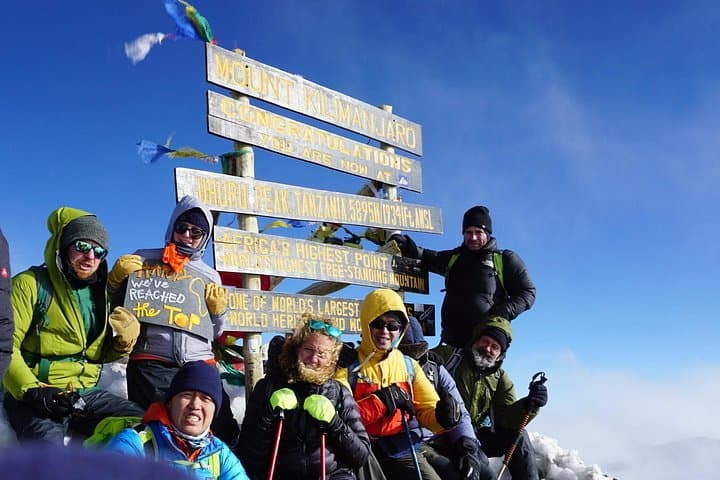
The summit day is long—expect 13–16 hours of movement—and it demands respect. The climb to Gilman’s Point starts in the deep dark; the switchbacks feel endless as the body adapts to declining oxygen. Sunrise over the crater at 18,652 ft is the reward, and the push to Uhuru Peak (19,341 ft) delivers the rare, buoyant ache of standing on Africa’s rooftop.
Practicalities matter here: hut accommodations are basic but heated by the camaraderie of the team; baggage is limited (10 kg) and porters carry most kit. Permits and park fees are included, but fitness and gradual acclimatization determine success more than raw speed. Hydration, layering for extreme temperature swings, and a steady, walkable pace will take you higher.
If you go, arrive in Moshi a day early to sort gear, sample coffee, and meet your crew. Respect porter working limits and tip fairly. Lastly, leave no trace—glaciers may vanish, but the impact of careless groups does not.
This route suits travelers who want a structured hut-to-hut climb with cultural context and the aim of summiting. It’s not easy, but with preparation and patience, Marangu turns Kilimanjaro’s vertical drama into an achievable, memorable expedition.
No technical climbing gear is required—the route is a non-technical trek; crampons are not needed for Marangu, but warm clothing and a solid boot are essential.
Summit day is the most demanding: 13–16 hours with long stretches in near-freezing conditions and limited oxygen—fitness and pacing matter more than speed.
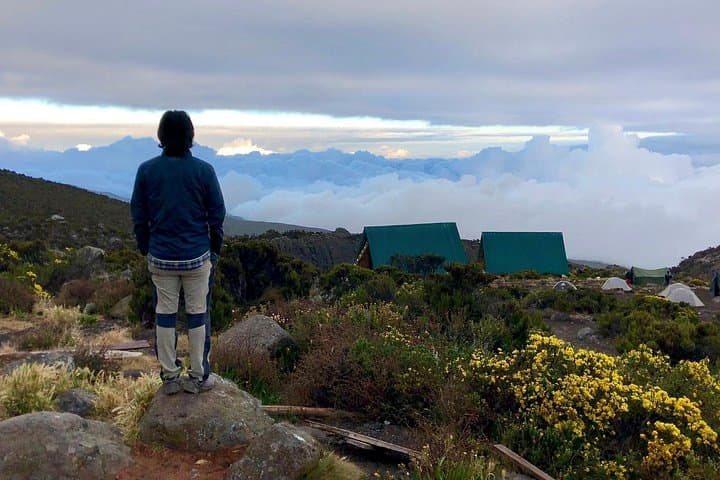
Huts are basic A-frame dormitories with bunk beds and communal dining; they provide shelter and warmth but limited privacy and no running hot water.
Yes, altitude sickness can occur regardless of fitness; the itinerary includes an acclimatization day at Horombo Hut to reduce risk, but listen to guides and report symptoms early.
Dry seasons (January–March and June–October) offer more stable weather and clearer summit views; however, the mountain can be climbed year-round with variable conditions.
Tipping is expected and appreciated—plan to tip guides and porters at the end of the trek; amounts vary but allocate a meaningful sum per person based on service and group size.
OneSeed Expeditions operates guided outdoor trips and adventures with an emphasis on safety, stewardship, and memorable experiences.
The night air on Kilimanjaro is thin and honest. At Mandara Hut you fall asleep to the steady murmur of porters packing away metal cups and the distant, patient breathing of the mountain. Dawn brings a filtered light through the upper rainforest—a green so intense it seems to push you upward. Over eight days the Marangu Route graduates in character from dripping moss and orchids to brittle alpine desert and, finally, a rim-of-the-world summit at Uhuru Peak.
The night air on Kilimanjaro is thin and honest. At Mandara Hut you fall asleep to the steady murmur of porters packing away metal cups and the distant, patient breathing of the mountain. Dawn brings a filtered light through the upper rainforest—a green so intense it seems to push you upward. Over eight days the Marangu Route graduates in character from dripping moss and orchids to brittle alpine desert and, finally, a rim-of-the-world summit at Uhuru Peak.
Marangu is the oldest and one of the most straightforward trails to Kilimanjaro, favored for its hut accommodations and incremental acclimatization days. The route routes through habitats that change abruptly with elevation: lowland coffee farms and Chagga villages give way to montane rainforest, then heather and moorland where giant senecios stand like slow-moving sculptures. Geologically, Kilimanjaro is a strato-volcano comprised of three cones—Kibo, Mawenzi and Shira—Kibo’s crater holding the final, fragile summit glaciers that have been retreating for decades.
Culture is woven into the first days of the trek. Moshi, the usual staging town, is alive with Chagga coffee trade and local markets where you can taste peaberry coffee and meet guides who grew up on the mountain’s slopes. Along the trail you pass ancestral burial grounds and learn local place names; porters and guides will often share Chagga stories and practical mountain lore.
The summit day is long—expect 13–16 hours of movement—and it demands respect. The climb to Gilman’s Point starts in the deep dark; the switchbacks feel endless as the body adapts to declining oxygen. Sunrise over the crater at 18,652 ft is the reward, and the push to Uhuru Peak (19,341 ft) delivers the rare, buoyant ache of standing on Africa’s rooftop.
Practicalities matter here: hut accommodations are basic but heated by the camaraderie of the team; baggage is limited (10 kg) and porters carry most kit. Permits and park fees are included, but fitness and gradual acclimatization determine success more than raw speed. Hydration, layering for extreme temperature swings, and a steady, walkable pace will take you higher.
If you go, arrive in Moshi a day early to sort gear, sample coffee, and meet your crew. Respect porter working limits and tip fairly. Lastly, leave no trace—glaciers may vanish, but the impact of careless groups does not.
This route suits travelers who want a structured hut-to-hut climb with cultural context and the aim of summiting. It’s not easy, but with preparation and patience, Marangu turns Kilimanjaro’s vertical drama into an achievable, memorable expedition.