
Climb Kilimanjaro via the Marangu Route: Hut-to-Hut Ascent to Uhuru Peak
A classic hut-to-hut ascent, the Marangu Route threads rainforest, heather and alpine desert on a six‑day bid for Uhuru Peak (5,896 m). Expect communal huts, dedicated guides and a summit push timed for sunrise—prepare for altitude, long days and variable weather.
An Adventure In Moshi.
A classic hut-to-hut ascent, the Marangu Route threads rainforest, heather and alpine desert on a six‑day bid for Uhuru Peak (5,896 m). Expect communal huts, dedicated guides and a summit push timed for sunrise—prepare for altitude, long days and variable weather.
Read the full experience
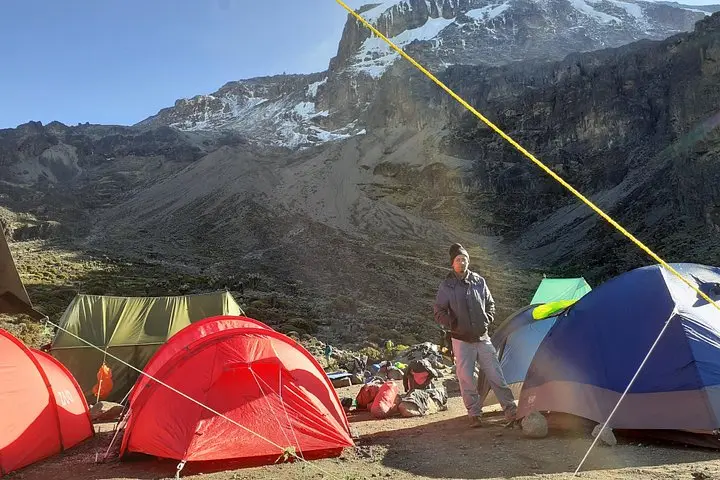
You step off the vehicle and the mountain rearranges the sky—Kilimanjaro's flank rising through cloud like a slow breath. The Marangu Route starts low and patient: a steady trail that threads rainforest, heather moorland and alpine desert before the black volcanic shoulders of Kibo and the jagged crest of Mawenzi demand everything you’ve got.
You step off the vehicle and the mountain rearranges the sky—Kilimanjaro's flank rising through cloud like a slow breath. The Marangu Route starts low and patient: a steady trail that threads rainforest, heather moorland and alpine desert before the black volcanic shoulders of Kibo and the jagged crest of Mawenzi demand everything you’ve got.
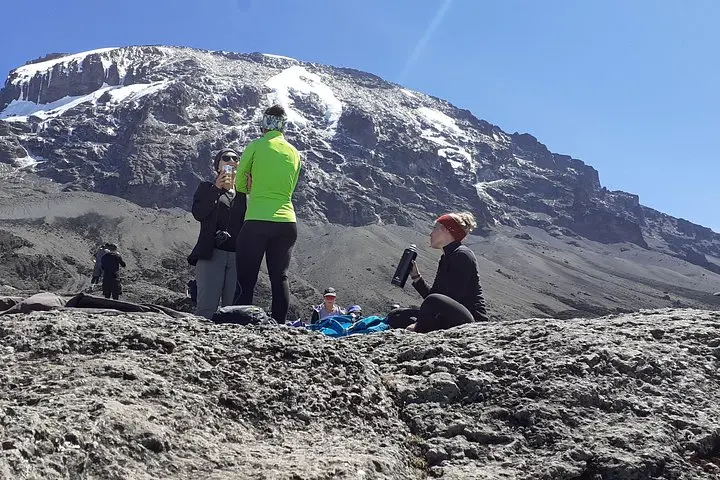
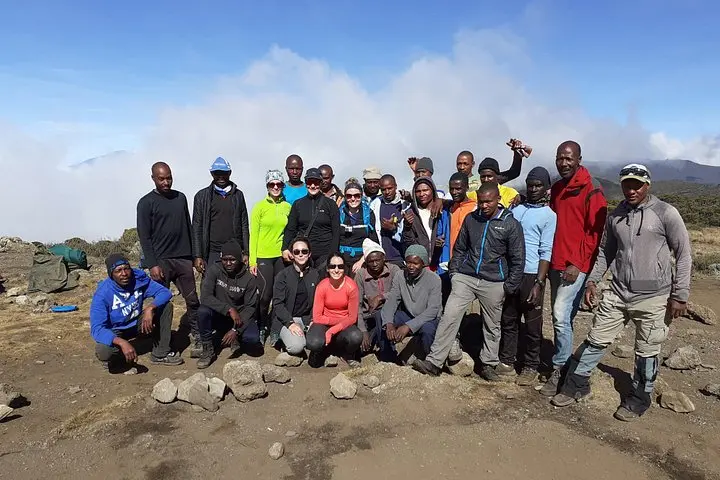
Marangu is the classic hut-to-hut line on Kilimanjaro, used by early 20th-century explorers and now managed inside Kilimanjaro National Park. The geology is volcanic: Kibo, the dormant cone that holds Uhuru Peak (5,896 m), is capped by glaciers that have been receding for decades—an austere reminder of climate shifts at high altitude. Culturally, the climb moves through lands historically tied to the Chagga people; local guides and cooks you’ll meet have decades of trail knowledge, and hospitality here is practical and genuine—hot meals, porter service and wood smoke at evening huts.
The itinerary is unhurried by design: Day 1 climbs roughly 9.5 km from the Marangu gate (~1,920 m) through rainforest to Mandara Hut (2,728 m) in about 4 hours. Day 2 opens into heather and moor, 11 km and roughly 5 hours up to Horombo Hut (3,738 m). An acclimatization walk takes you to Zebra Rocks and Mawenzi Ridge before returning. From Horombo you push to Kibo Hut (4,720 m) and then make the classic pre-dawn summit assault—Gilman's Point (5,659 m), Stella Point (5,756 m), then Uhuru Peak at 5,896 m—with a sunrise that can make every cold, sleepless hour worth it.
Practical realities: Marangu is often marketed as one of the "easier" routes because of its gradual grades and hut accommodation, but altitude is the real challenge. Guides use the Tanzanian 'pole pole'—slowly, slowly—approach to ease acclimatization. Expect nights in wooden huts with dormitory bunks, communal meals prepared by camp cooks, and basic toilet facilities at huts.
Tips to prepare: train with long days and stair-plus-pack sessions, practice sleeping cold, and hydrate aggressively on the mountain. Pack layered technical clothing, a reliable insulated jacket, trekking poles and gaiters for scree on the higher slopes. Book permits and an experienced guide through a reputable operator—permits and park fees are mandatory and support conservation efforts.
On summit day move deliberately: short, frequent breaks and small calories beat long marches. Descending is quicker but hard on knees; use poles and soft, controlled steps. If you reach Uhuru, the panorama—plains, distant Mount Meru and a sky emptied to blue—feels earned. If you don’t, the mountain still teaches patience; Marangu offers the safest classroom for that lesson.
Frequently asked questions
Yes—Kilimanjaro National Park requires registered guides and permits; operators include park fees and arrange porters and hut bookings.
Summit day is the most physically and mentally demanding: expect 6–8 hours up from Kibo Hut to Uhuru Peak and another 4–6 hours descending; altitude and sleep debt are the main factors.
Marangu is hut-based with communal dormitories; private rooms aren’t typical, so plan for shared spaces and basic facilities.
Altitude sickness is the primary risk—proper acclimatization, slow ascent and honest communication with guides are essential; weather can change rapidly above 4,000 m.
The driest, most stable months are January–March and June–October, though summit attempts occur year-round with variable conditions.
Physically fit beginners can attempt Marangu with a reputable operator and good acclimatization practice, but respect for altitude and realistic fitness training are nonnegotiable.
About This Experience
Guide Private operates guided outdoor trips and adventures with an emphasis on safety, stewardship, and memorable experiences.
Adventure tips
Recommended gear
- Insulated down jacket: Keeps you warm during the pre‑dawn summit push and cold nights in the huts.
- Waterproof breathable shell: Protects against wind and sporadic rain or sleet above the treeline.
- Sturdy hiking boots (broken in): Support and traction on varied terrain from rainforest rootwork to scree slopes.
- Trekking poles: Reduce knee strain on long descents and aid balance on loose volcanic scree.
Photos of the experience
Related adventures & guides
Read the full experience
You step off the vehicle and the mountain rearranges the sky—Kilimanjaro's flank rising through cloud like a slow breath. The Marangu Route starts low and patient: a steady trail that threads rainforest, heather moorland and alpine desert before the black volcanic shoulders of Kibo and the jagged crest of Mawenzi demand everything you’ve got.
You step off the vehicle and the mountain rearranges the sky—Kilimanjaro's flank rising through cloud like a slow breath. The Marangu Route starts low and patient: a steady trail that threads rainforest, heather moorland and alpine desert before the black volcanic shoulders of Kibo and the jagged crest of Mawenzi demand everything you’ve got.
Marangu is the classic hut-to-hut line on Kilimanjaro, used by early 20th-century explorers and now managed inside Kilimanjaro National Park. The geology is volcanic: Kibo, the dormant cone that holds Uhuru Peak (5,896 m), is capped by glaciers that have been receding for decades—an austere reminder of climate shifts at high altitude. Culturally, the climb moves through lands historically tied to the Chagga people; local guides and cooks you’ll meet have decades of trail knowledge, and hospitality here is practical and genuine—hot meals, porter service and wood smoke at evening huts.
The itinerary is unhurried by design: Day 1 climbs roughly 9.5 km from the Marangu gate (~1,920 m) through rainforest to Mandara Hut (2,728 m) in about 4 hours. Day 2 opens into heather and moor, 11 km and roughly 5 hours up to Horombo Hut (3,738 m). An acclimatization walk takes you to Zebra Rocks and Mawenzi Ridge before returning. From Horombo you push to Kibo Hut (4,720 m) and then make the classic pre-dawn summit assault—Gilman's Point (5,659 m), Stella Point (5,756 m), then Uhuru Peak at 5,896 m—with a sunrise that can make every cold, sleepless hour worth it.
Practical realities: Marangu is often marketed as one of the "easier" routes because of its gradual grades and hut accommodation, but altitude is the real challenge. Guides use the Tanzanian 'pole pole'—slowly, slowly—approach to ease acclimatization. Expect nights in wooden huts with dormitory bunks, communal meals prepared by camp cooks, and basic toilet facilities at huts.
Tips to prepare: train with long days and stair-plus-pack sessions, practice sleeping cold, and hydrate aggressively on the mountain. Pack layered technical clothing, a reliable insulated jacket, trekking poles and gaiters for scree on the higher slopes. Book permits and an experienced guide through a reputable operator—permits and park fees are mandatory and support conservation efforts.
On summit day move deliberately: short, frequent breaks and small calories beat long marches. Descending is quicker but hard on knees; use poles and soft, controlled steps. If you reach Uhuru, the panorama—plains, distant Mount Meru and a sky emptied to blue—feels earned. If you don’t, the mountain still teaches patience; Marangu offers the safest classroom for that lesson.
Make a day of it nearby.
Verified experiences and guided adventures in the surrounding area.