THE ADVENTURE COLLECTIVE® · Independent discovery and booking for outdoor travel

A two-day, hut-supported climb of Mount Fuji via the Yoshida Route, departing from Tokyo. This trip spaces the effort with an overnight hut, a late-night summit push for sunrise, and an onsen return.
A two-day, hut-supported climb of Mount Fuji via the Yoshida Route, departing from Tokyo. This trip spaces the effort with an overnight hut, a late-night summit push for sunrise, and an onsen return.
You step off the Shinjuku bus into thin air at the Fuji Subaru Line 5th Station, the town lights behind you and a silver ridge ahead calling you upward.
Verified experiences and guided adventures in the surrounding area.
Operated by Japan Awaits · Fujiyoshida, Yamanashi
You step off the Shinjuku bus into thin air at the Fuji Subaru Line 5th Station, the town lights behind you and a silver ridge ahead calling you upward.
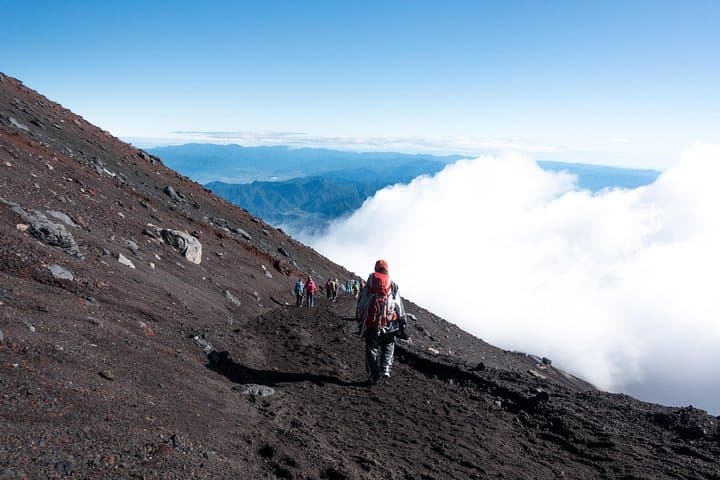
Mount Fuji rises as a classic stratovolcano—layers of lava and ash built over millennia—and its slopes have drawn pilgrims and painters for centuries. The Yoshida Route, the most popular ascent, threads forested lower slopes before opening to wind-swept volcanic scree; the mountain’s geology shifts from dark and forgiving soil to loose pumice and rock as you gain altitude.
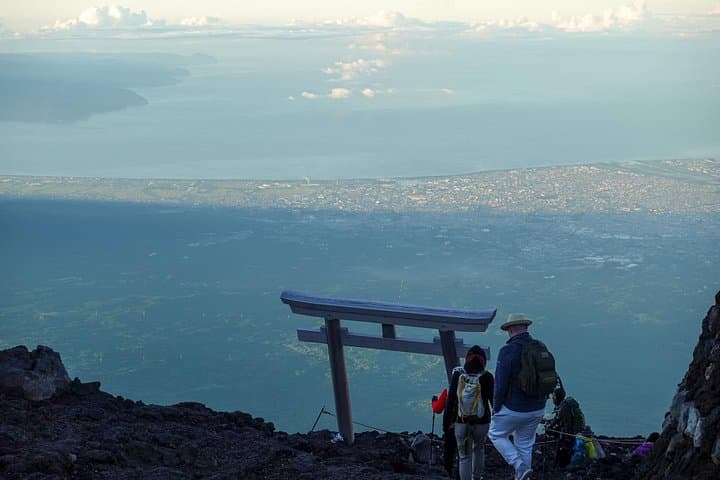
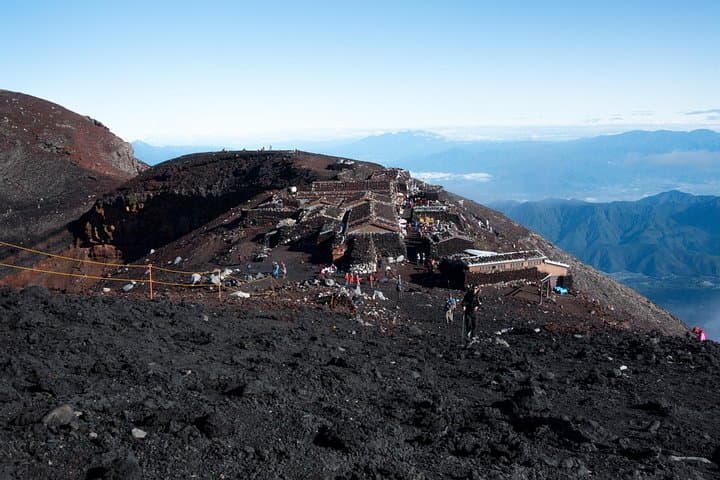
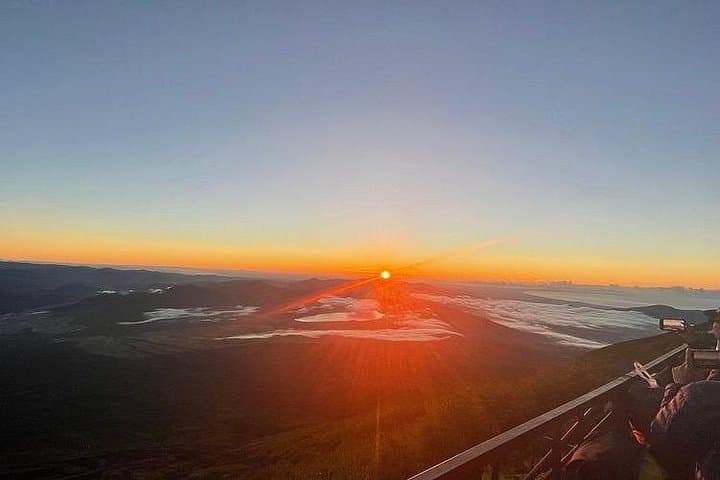
Culturally, the climb still carries ritual: overnighting in simple huts, watching goraiko (the sunrise), and passing small shrines near the summit. Huts are practical refuges—shared bunks and boxed meals—owned and operated to support the seasonal rush.
Practically, this two-day plan spaces the effort: a midday shuttle to 5th Station, a paced climb to a staffed hut, a late-night summit push, then down and a restorative onsen before the return bus. Expect steep zigzags above 6th Station, rock scrambling around 7th–8th, and loose, dusty descent trails that demand steady footing.
Prepare for abrupt weather swings and altitude effects: dress in layers, carry 1–2 liters of water, use a headlamp and trekking poles, and pause at 6th/7th stations to acclimate. Book the hut in advance to secure after-hours trail access and remember the seasonal trail fee and rules. Done properly, the climb is equal parts endurance and quiet reward—the summit’s crater and sunrise repay careful planning.
No technical climbing skills are required—this is a high-altitude trek on established trails—but you should have prior day-hiking experience and moderate fitness.
Mountain huts provide shared bunk-style accommodations and bundled meals; expect communal sleeping areas and basic facilities.
Toilets and water are available at staffed huts and some stations during season, but water at higher huts may cost extra—carry sufficient fluids between stops.
Altitude sickness can occur above 3,000 m; follow recommended acclimation pauses, hydrate, and descend if symptoms worsen—seek hut staff or first-aid posts if needed.
Japan Awaits operates guided outdoor trips and adventures with an emphasis on safety, stewardship, and memorable experiences.
You step off the Shinjuku bus into thin air at the Fuji Subaru Line 5th Station, the town lights behind you and a silver ridge ahead calling you upward.
You step off the Shinjuku bus into thin air at the Fuji Subaru Line 5th Station, the town lights behind you and a silver ridge ahead calling you upward.
Mount Fuji rises as a classic stratovolcano—layers of lava and ash built over millennia—and its slopes have drawn pilgrims and painters for centuries. The Yoshida Route, the most popular ascent, threads forested lower slopes before opening to wind-swept volcanic scree; the mountain’s geology shifts from dark and forgiving soil to loose pumice and rock as you gain altitude.
Culturally, the climb still carries ritual: overnighting in simple huts, watching goraiko (the sunrise), and passing small shrines near the summit. Huts are practical refuges—shared bunks and boxed meals—owned and operated to support the seasonal rush.
Practically, this two-day plan spaces the effort: a midday shuttle to 5th Station, a paced climb to a staffed hut, a late-night summit push, then down and a restorative onsen before the return bus. Expect steep zigzags above 6th Station, rock scrambling around 7th–8th, and loose, dusty descent trails that demand steady footing.
Prepare for abrupt weather swings and altitude effects: dress in layers, carry 1–2 liters of water, use a headlamp and trekking poles, and pause at 6th/7th stations to acclimate. Book the hut in advance to secure after-hours trail access and remember the seasonal trail fee and rules. Done properly, the climb is equal parts endurance and quiet reward—the summit’s crater and sunrise repay careful planning.