THE ADVENTURE COLLECTIVE® · Independent discovery and booking for outdoor travel

Stand on the rooftop of the Balkans: a full-day climb from Borovets to Musala (2,925 m) that mixes cable-car access, alpine ridgelines and sweeping panoramas. Start early, layer smart, and expect steep, rocky sections that reward effort with far-reaching views.
Stand on the rooftop of the Balkans: a full-day climb from Borovets to Musala (2,925 m) that mixes cable-car access, alpine ridgelines and sweeping panoramas. Start early, layer smart, and expect steep, rocky sections that reward effort with far-reaching views.
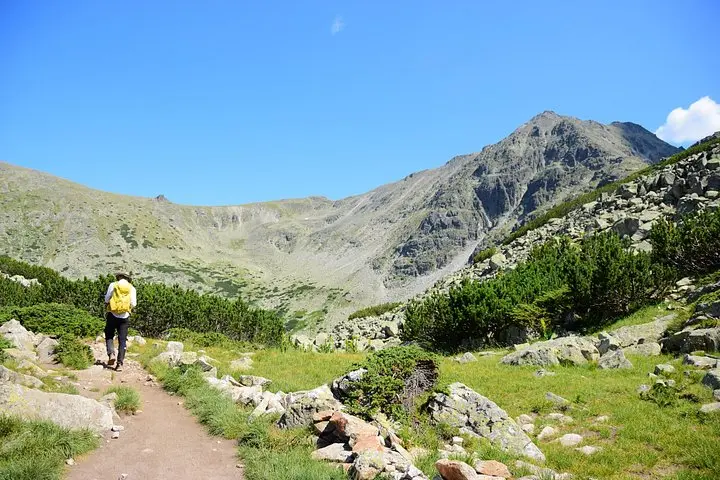
You set out from Borovets after a short transfer from Sofia, the cable car lifting you above dark spruce and patchwork meadows until the Yastrebets ridge unfurls beneath your boots. The air thins and the wind begins to test your balance; clouds skitter across the cirque while the trail snakes toward the bare granite crown of Musala at 2,925 m.
Verified experiences and guided adventures in the surrounding area.
Operated by Traventuria · Borovets, Sofia Province
You set out from Borovets after a short transfer from Sofia, the cable car lifting you above dark spruce and patchwork meadows until the Yastrebets ridge unfurls beneath your boots. The air thins and the wind begins to test your balance; clouds skitter across the cirque while the trail snakes toward the bare granite crown of Musala at 2,925 m.
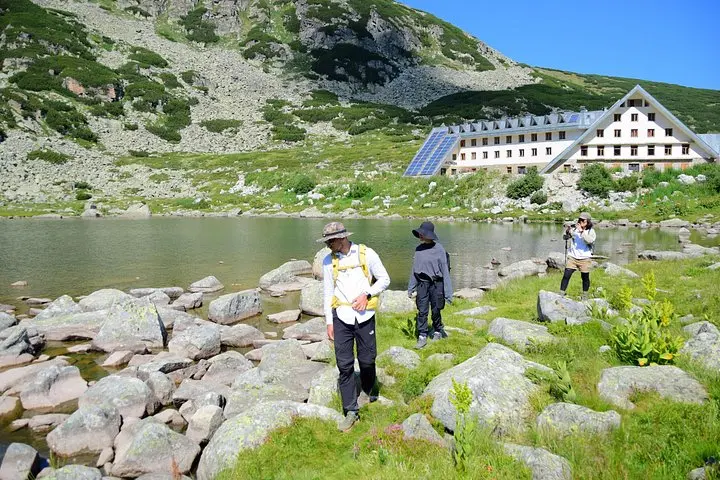
Musala dominates the Rila massif and is the highest point in the Balkan Peninsula. Geologically, Rila is carved of pale granite and glacial basins—evidence of ancient ice that shaped the rounded ridges and deep lakes below. Culturally, these mountains have long supported shepherding, Orthodox monastic routes and Bulgarian alpine exploration; Borovets itself grew as a mountain resort in the early 20th century.
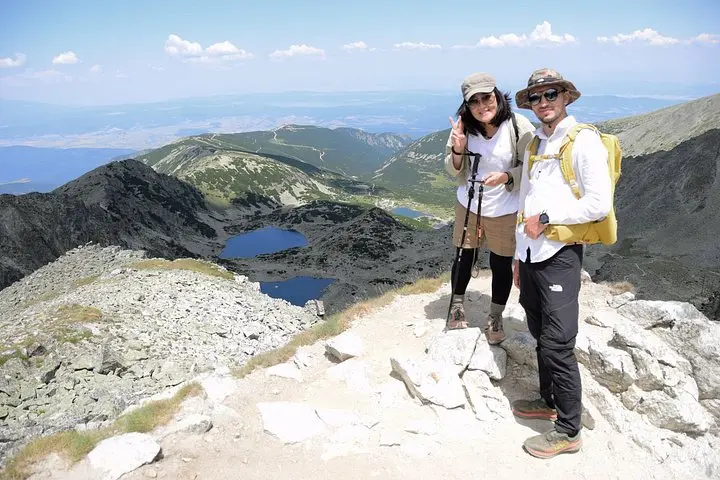
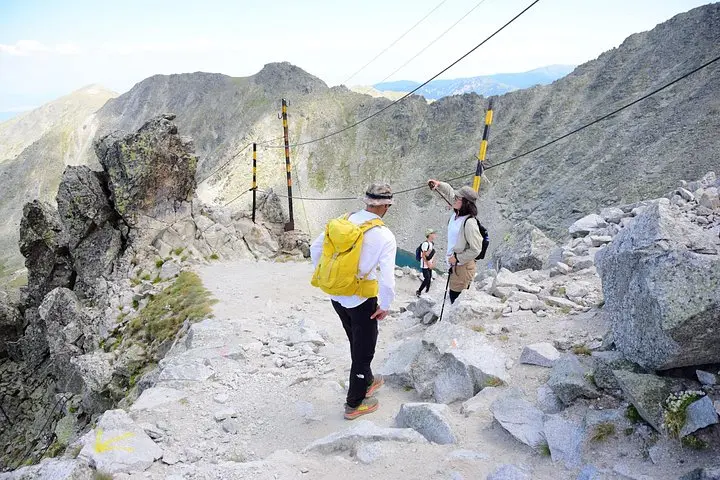
On the hike you’ll cross mixed forest, alpine meadows and stony ridgelines. Expect steep, short scrambles, loose scree and exposed sections that demand surefooted steps. In clear conditions you can scan the horizon for distant ranges and, locals like to say, even the Aegean on an exceptional day.
Practical guidance: start early to avoid afternoon storms, layer for rapidly changing weather, and carry 2–3 liters of water and high-calorie snacks—hut stops offer only basic food. Good ankle-supporting boots and a shell are essential; trekking poles help on steeper descents. The route is commonly done as a long day trip with transfers from Sofia, or as part of multi-day touring in Rila National Park. Respect park signage, give wildlife distance, and be prepared for a demanding but deeply rewarding alpine day.
Typical guided itineraries combine transfers, a cable-car ride and 5–6 hours of hiking; allow 7–12 hours total from Sofia depending on logistics.
The trail is demanding with steep and rocky sections—fit beginners with prior day-hike experience may manage, but moderate-to-good fitness is recommended.
There are mountain huts where you can buy basic meals and snacks, but bring sufficient water and preferred food in case of queues or closures.
At 2,925 m most hikers feel only mild effects; take it steady, stay hydrated and descend if you experience severe symptoms.
Traventuria operates guided outdoor trips and adventures with an emphasis on safety, stewardship, and memorable experiences.
You set out from Borovets after a short transfer from Sofia, the cable car lifting you above dark spruce and patchwork meadows until the Yastrebets ridge unfurls beneath your boots. The air thins and the wind begins to test your balance; clouds skitter across the cirque while the trail snakes toward the bare granite crown of Musala at 2,925 m.
You set out from Borovets after a short transfer from Sofia, the cable car lifting you above dark spruce and patchwork meadows until the Yastrebets ridge unfurls beneath your boots. The air thins and the wind begins to test your balance; clouds skitter across the cirque while the trail snakes toward the bare granite crown of Musala at 2,925 m.
Musala dominates the Rila massif and is the highest point in the Balkan Peninsula. Geologically, Rila is carved of pale granite and glacial basins—evidence of ancient ice that shaped the rounded ridges and deep lakes below. Culturally, these mountains have long supported shepherding, Orthodox monastic routes and Bulgarian alpine exploration; Borovets itself grew as a mountain resort in the early 20th century.
On the hike you’ll cross mixed forest, alpine meadows and stony ridgelines. Expect steep, short scrambles, loose scree and exposed sections that demand surefooted steps. In clear conditions you can scan the horizon for distant ranges and, locals like to say, even the Aegean on an exceptional day.
Practical guidance: start early to avoid afternoon storms, layer for rapidly changing weather, and carry 2–3 liters of water and high-calorie snacks—hut stops offer only basic food. Good ankle-supporting boots and a shell are essential; trekking poles help on steeper descents. The route is commonly done as a long day trip with transfers from Sofia, or as part of multi-day touring in Rila National Park. Respect park signage, give wildlife distance, and be prepared for a demanding but deeply rewarding alpine day.