THE ADVENTURE COLLECTIVE® · Independent discovery and booking for outdoor travel

A private day climb from Faial to Ponta do Pico takes you to Portugal’s highest summit (2,351 m). Expect steep volcanic slopes, unique alpine flora, rapid weather shifts, and a full-day effort guided by a certified local guide.
A private day climb from Faial to Ponta do Pico takes you to Portugal’s highest summit (2,351 m). Expect steep volcanic slopes, unique alpine flora, rapid weather shifts, and a full-day effort guided by a certified local guide.
You step off the ferry in the morning light and the cone of Ponta do Pico fills the horizon — dark basalt rising into clouds that can shift like a mood. The guide checks gear while gulls wheel; the island’s wind already dares you to move faster. The route climbs through low heath and then onto stony volcanic slopes, a steady push toward 2,351 meters where the summit stares down at the Atlantic.
Verified experiences and guided adventures in the surrounding area.
Operated by Our Island · Madalena, Azores
You step off the ferry in the morning light and the cone of Ponta do Pico fills the horizon — dark basalt rising into clouds that can shift like a mood. The guide checks gear while gulls wheel; the island’s wind already dares you to move faster. The route climbs through low heath and then onto stony volcanic slopes, a steady push toward 2,351 meters where the summit stares down at the Atlantic.
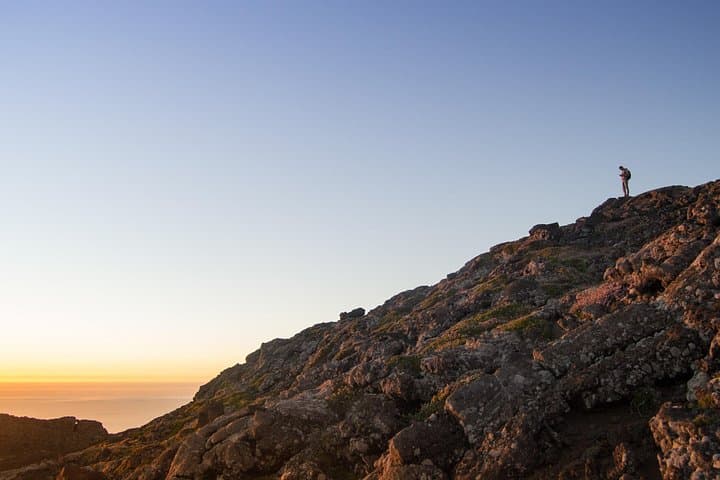
Pico is a young stratovolcano where pahoehoe lava flows and sharp clinker still map recent eruptions. Above 1,500 meters hardy mountain heath—Calluna vulgaris and endemic Daboecia azorica—takes hold; Silene uniflora cratericola appears only near the crater. Human history here is maritime and agricultural: vineyards hug the coast while mountain paths once guided shepherds and early naturalists.
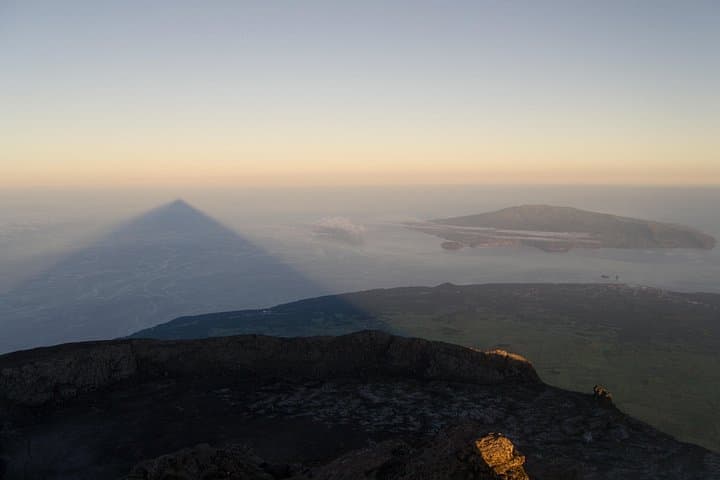
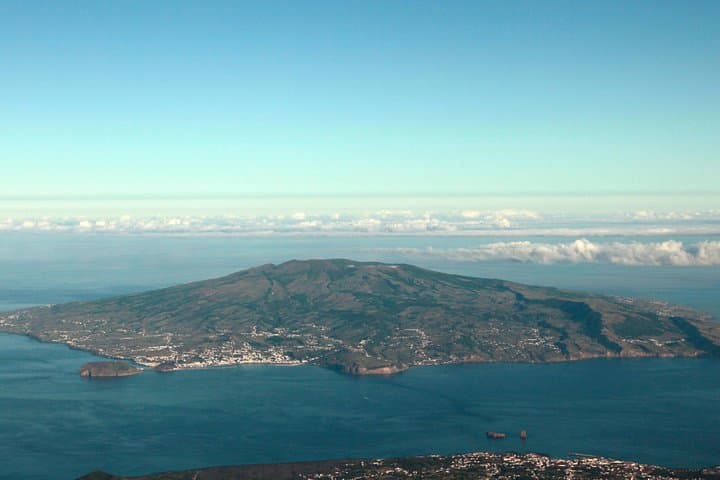
Expect variable weather: wind and rain can arrive without warning, then clear for sweeping views of Faial and the neighboring islands. The climb itself requires endurance more than technical rope work; trails are steep, loose in places, and demand steady footing on volcanic scree. A certified mountain guide included in private tours sets pace, manages ferry transfers, and handles park fees.
Practical edge: start early to avoid afternoon winds and to align with scheduled ferry crossings from Faial. Bring warm, windproof layers, sturdy hiking boots, 2–3 liters of water, and snacks to maintain steady energy on the long ascent and descent. With preparation the climb is a singular day adventure—raw, geological, and unapologetically physical.
The organized private tour is about 9 hours total and typically includes round-trip ferry transport from Faial, park fee and certified guide.
No technical rope skills are required; however the route is physically demanding and best for fit hikers experienced with steep terrain.
Summit elevation is 2,351 m; most visitors are fine, but move at a steady pace and monitor for symptoms—descend if you feel unwell.
Weather is changeable—wind and rain are common. Tours may be canceled for unsafe weather; confirm cancellation policy when booking.
Our Island operates guided outdoor trips and adventures with an emphasis on safety, stewardship, and memorable experiences.
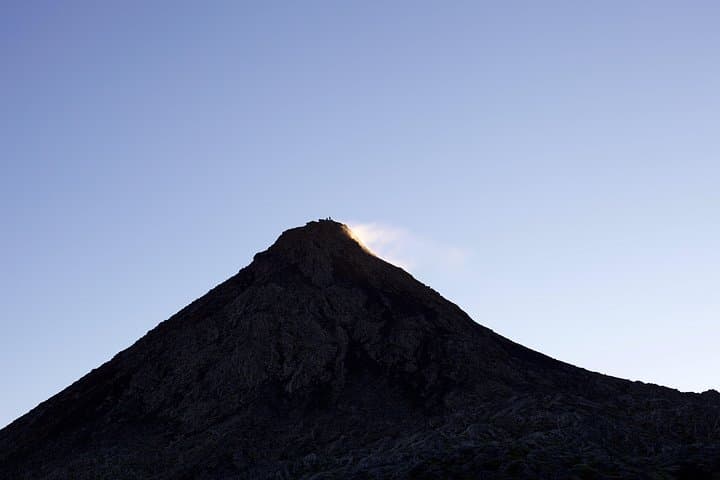
You step off the ferry in the morning light and the cone of Ponta do Pico fills the horizon — dark basalt rising into clouds that can shift like a mood. The guide checks gear while gulls wheel; the island’s wind already dares you to move faster. The route climbs through low heath and then onto stony volcanic slopes, a steady push toward 2,351 meters where the summit stares down at the Atlantic.
You step off the ferry in the morning light and the cone of Ponta do Pico fills the horizon — dark basalt rising into clouds that can shift like a mood. The guide checks gear while gulls wheel; the island’s wind already dares you to move faster. The route climbs through low heath and then onto stony volcanic slopes, a steady push toward 2,351 meters where the summit stares down at the Atlantic.
Pico is a young stratovolcano where pahoehoe lava flows and sharp clinker still map recent eruptions. Above 1,500 meters hardy mountain heath—Calluna vulgaris and endemic Daboecia azorica—takes hold; Silene uniflora cratericola appears only near the crater. Human history here is maritime and agricultural: vineyards hug the coast while mountain paths once guided shepherds and early naturalists.
Expect variable weather: wind and rain can arrive without warning, then clear for sweeping views of Faial and the neighboring islands. The climb itself requires endurance more than technical rope work; trails are steep, loose in places, and demand steady footing on volcanic scree. A certified mountain guide included in private tours sets pace, manages ferry transfers, and handles park fees.
Practical edge: start early to avoid afternoon winds and to align with scheduled ferry crossings from Faial. Bring warm, windproof layers, sturdy hiking boots, 2–3 liters of water, and snacks to maintain steady energy on the long ascent and descent. With preparation the climb is a singular day adventure—raw, geological, and unapologetically physical.