THE ADVENTURE COLLECTIVE® · Independent discovery and booking for outdoor travel

Learn climbing basics on one of Lisbon’s most dramatic landmarks: Pilar 7 on Ponte 25 de Abril. In a guided hour you’ll fit a harness, practice bouldering and use auto-belays on routes up to 12 m high—perfect for first-timers and families.
Learn climbing basics on one of Lisbon’s most dramatic landmarks: Pilar 7 on Ponte 25 de Abril. In a guided hour you’ll fit a harness, practice bouldering and use auto-belays on routes up to 12 m high—perfect for first-timers and families.
The river smells of iron and salt as the Argentina-red steel of Ponte 25 de Abril towers above you and the pilar’s rivets catch the light. Climbers clip in, breathe, and read the bridge like a vertical playground—12‑metre auto-belay lines rising off a visiting platform, low bouldering walls for beginners, and a guide calling next moves with a calm confidence.
Verified experiences and guided adventures in the surrounding area.
Operated by Escala25 · Lisbon, Lisbon
The river smells of iron and salt as the Argentina-red steel of Ponte 25 de Abril towers above you and the pilar’s rivets catch the light. Climbers clip in, breathe, and read the bridge like a vertical playground—12‑metre auto-belay lines rising off a visiting platform, low bouldering walls for beginners, and a guide calling next moves with a calm confidence.
Built in 1966 and renamed after the 1974 revolution, the bridge slices across the wide Tagus estuary, its engineering born of mid‑20th‑century tension steel and seismic-aware design. The north bank mixes industrial docks, modern museums, and riverside cafes; the estuary’s currents sculpt the shores and push a steady breeze across high exposures. Local climbing here is controlled and instructional—this experience is as much about safety, knots, and trust as it is about height.
Expect an hour that covers harness fitting, belay basics, and several supervised climbs on auto-belays and low routes that teach footwork and balance. Guides supply helmets, harnesses, and instruction; participants should be prepared for standing, short bursts of climbing, and a few minutes of waiting between turns.
Practical notes: arrive 15 minutes early with ID, wear sturdy closed-toe shoes and shorts or flexible pants, and hydrate before you climb—the Tagus wind can dry you out fast. This is an introductory, guided activity suitable for families and first-timers; follow your guide’s instructions for weight, health, and mobility restrictions. The reward is quiet: a new angle on Lisbon, the bridge’s steel eyes and the river daring you to look down and move up.
Yes—this introductory session is family-friendly, but guides set age and weight limits; booking requires age information and guardianship details.
Climbs reach up to about 12 metres on auto-belays; guides manage exposure and will stage climbs for comfort and safety.
Service animals are allowed, but animals cannot accompany participants on climbs and should be supervised while you climb.
Guides use progressive exposure—start on low bouldering walls and move up to auto-belays at your pace; communicate concerns before the session.
Escala25 operates guided outdoor trips and adventures with an emphasis on safety, stewardship, and memorable experiences.
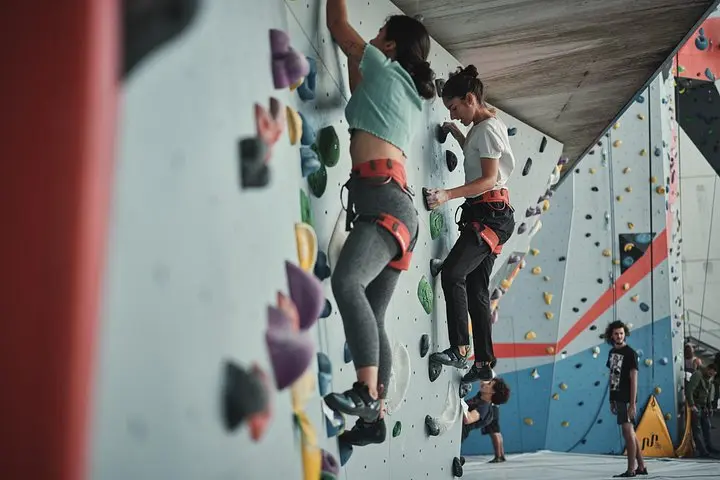
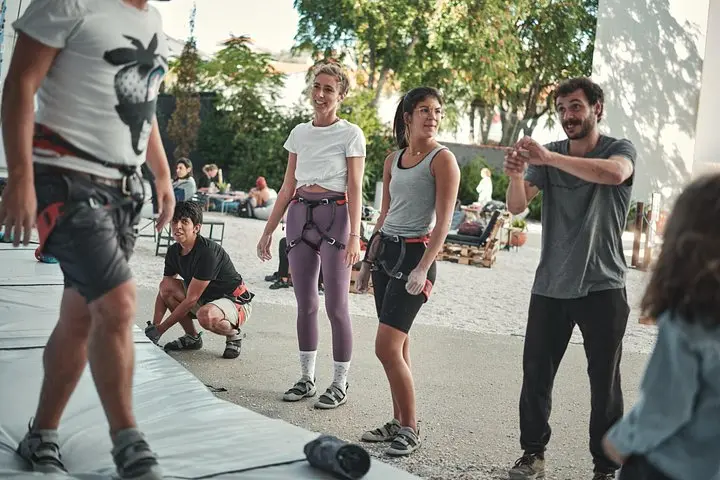
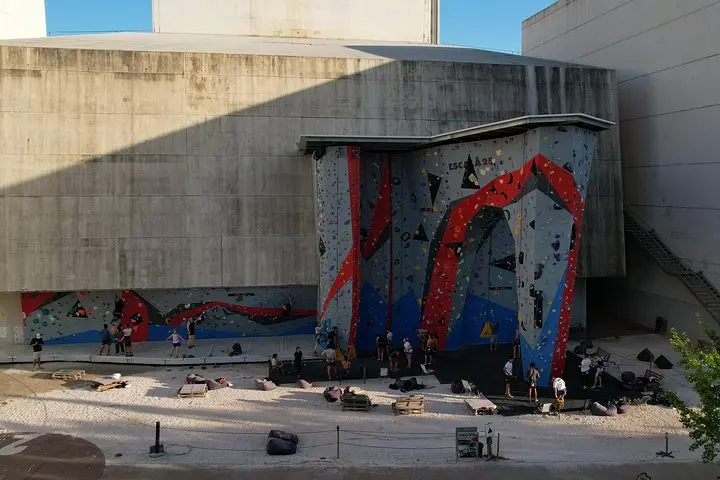
The river smells of iron and salt as the Argentina-red steel of Ponte 25 de Abril towers above you and the pilar’s rivets catch the light. Climbers clip in, breathe, and read the bridge like a vertical playground—12‑metre auto-belay lines rising off a visiting platform, low bouldering walls for beginners, and a guide calling next moves with a calm confidence.
The river smells of iron and salt as the Argentina-red steel of Ponte 25 de Abril towers above you and the pilar’s rivets catch the light. Climbers clip in, breathe, and read the bridge like a vertical playground—12‑metre auto-belay lines rising off a visiting platform, low bouldering walls for beginners, and a guide calling next moves with a calm confidence.
Built in 1966 and renamed after the 1974 revolution, the bridge slices across the wide Tagus estuary, its engineering born of mid‑20th‑century tension steel and seismic-aware design. The north bank mixes industrial docks, modern museums, and riverside cafes; the estuary’s currents sculpt the shores and push a steady breeze across high exposures. Local climbing here is controlled and instructional—this experience is as much about safety, knots, and trust as it is about height.
Expect an hour that covers harness fitting, belay basics, and several supervised climbs on auto-belays and low routes that teach footwork and balance. Guides supply helmets, harnesses, and instruction; participants should be prepared for standing, short bursts of climbing, and a few minutes of waiting between turns.
Practical notes: arrive 15 minutes early with ID, wear sturdy closed-toe shoes and shorts or flexible pants, and hydrate before you climb—the Tagus wind can dry you out fast. This is an introductory, guided activity suitable for families and first-timers; follow your guide’s instructions for weight, health, and mobility restrictions. The reward is quiet: a new angle on Lisbon, the bridge’s steel eyes and the river daring you to look down and move up.