THE ADVENTURE COLLECTIVE® · Independent discovery and booking for outdoor travel

Climb the sheer face of Sigiriya, trace frescoes and lion paws, then cool off in the painted caverns of Dambulla. This full-day route stitches geology, royal history and village life into a single, accessible Sri Lankan adventure.
Climb the sheer face of Sigiriya, trace frescoes and lion paws, then cool off in the painted caverns of Dambulla. This full-day route stitches geology, royal history and village life into a single, accessible Sri Lankan adventure.
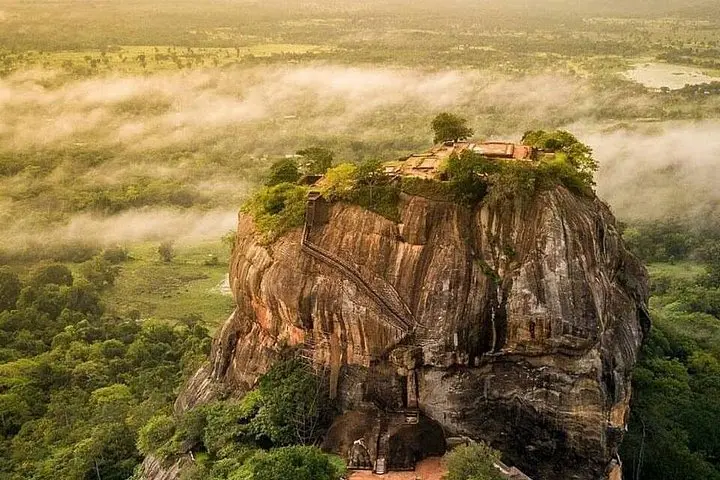
The morning begins with a ribbon of mist lifting off paddy fields and a lone rock sitting like a weathered monarch above the plain. You reach for the first iron rung to the ancient ladder and the climb to Sigiriya’s summit asserts itself immediately — a mix of carved steps, steep flights and metal walkways that force you into a steady rhythm. At the top the air opens. The plain fans out in geometric fields and lakes; the fortress feels less like a ruin and more like a place that still measures time.
Verified experiences and guided adventures in the surrounding area.
Operated by Kandy Pearl holidays · Sigiriya, Central Province
The morning begins with a ribbon of mist lifting off paddy fields and a lone rock sitting like a weathered monarch above the plain. You reach for the first iron rung to the ancient ladder and the climb to Sigiriya’s summit asserts itself immediately — a mix of carved steps, steep flights and metal walkways that force you into a steady rhythm. At the top the air opens. The plain fans out in geometric fields and lakes; the fortress feels less like a ruin and more like a place that still measures time.
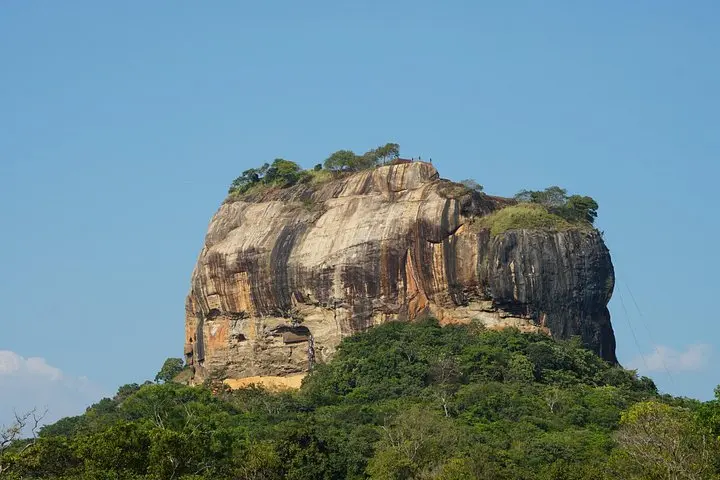
Sigiriya (Lion Rock) is a 5th-century engineered citadel built by King Kasyapa. The geology is simple: a hardened volcanic plug jutting roughly 200 meters above the surrounding plain. Centuries of rain and wind smoothed its sides into a climbable spine; ancient builders hewed terraces, moats and gardens into the base, and painted the famous frescoes half-way up the rock — some of the finest early South Asian mural work you’ll see.
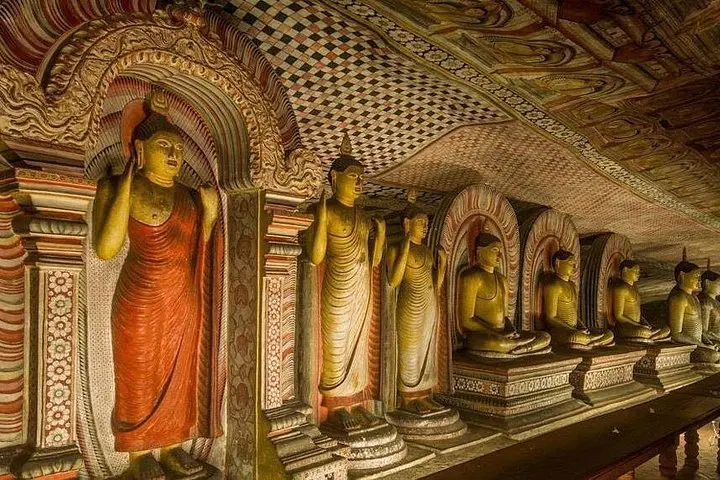
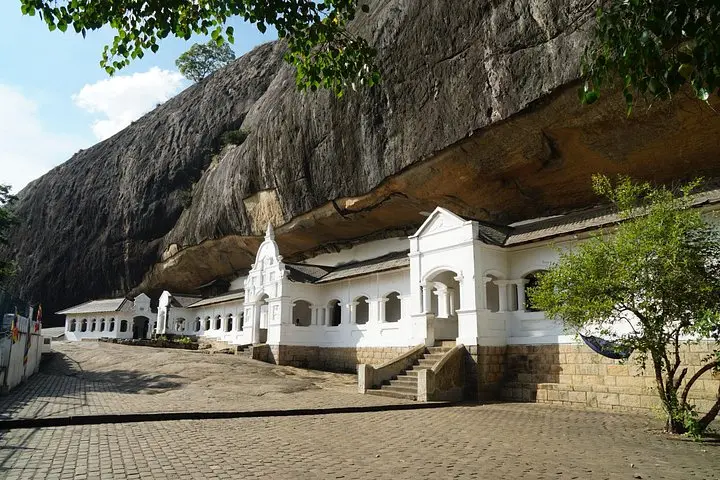
A 30–40 minute drive south brings you to Dambulla’s Golden Temple, a sequence of five caves carved into a low granite outcrop. Inside, the cool, low-ceilinged caverns hold polished statues of the Buddha and vivid murals covering entire walls and columns. The rock here reads like a cultural palimpsest: royal patronage, medieval renovations and the steady devotion of village congregations.
Between monuments, a visit to a local herbal and spice garden adds sensory detail — cinnamon, cardamom and galangal under the canopy — and optional village tours or safaris (nearby Minneriya/Kaudulla) give context to rural life and the region’s seasonal elephant gatherings.
Practical guidance: expect roughly 1,000–1,200 steps at Sigiriya with an elevation gain of about 200 meters; be ready for exposed sections and narrow walkways. At Dambulla, plan for a short stair climb and low cave ceilings. Dress respectfully: shoulders and knees covered at temples, shoes removed before entering sacred spaces. Start early to avoid midday heat and to catch soft morning light on the frescoes.
Bring sturdy, closed footwear for uneven steps, a refillable water bottle, sun protection and a light layer for breezy summit winds. If you’ve booked through a private tour, confirm pickup details and passport requirements — small local operators often ask for passport info on the day. Allow a full day (most operators run 8–10 hour itineraries) to move at a calm pace: ample time rewards the site’s scale and the quiet moments between friezes and views.
This is a day of contrasts — soaring exposure and intimate caves, engineered landscape and living village — that rewards curiosity and a little stamina. You’ll come away with a clearer sense of how Sri Lanka’s kings shaped their world, and how that world still meets the present.
Most operators schedule 8–10 hours including hotel pickup, drives between sites and time for a spice garden or optional village visit.
The path includes steep staircases and a few exposed sections; it's suitable for anyone comfortable with stairs and modest heights, but people with balance issues should take care.
Tickets can be purchased on-site but during peak season it's wise to book in advance to guarantee entry and skip lines.
Many tours include a stop for lunch (sometimes a village lunch option); carry snacks if you prefer specific dietary choices.
Modest dress is required: cover shoulders and knees, remove shoes before entering cave temples; avoid revealing clothing.
Yes — Minneriya and Kaudulla parks are nearby and many operators offer optional afternoon safaris to see elephants in seasonal gatherings.
Kandy Pearl holidays operates guided outdoor trips and adventures with an emphasis on safety, stewardship, and memorable experiences.
The morning begins with a ribbon of mist lifting off paddy fields and a lone rock sitting like a weathered monarch above the plain. You reach for the first iron rung to the ancient ladder and the climb to Sigiriya’s summit asserts itself immediately — a mix of carved steps, steep flights and metal walkways that force you into a steady rhythm. At the top the air opens. The plain fans out in geometric fields and lakes; the fortress feels less like a ruin and more like a place that still measures time.
The morning begins with a ribbon of mist lifting off paddy fields and a lone rock sitting like a weathered monarch above the plain. You reach for the first iron rung to the ancient ladder and the climb to Sigiriya’s summit asserts itself immediately — a mix of carved steps, steep flights and metal walkways that force you into a steady rhythm. At the top the air opens. The plain fans out in geometric fields and lakes; the fortress feels less like a ruin and more like a place that still measures time.
Sigiriya (Lion Rock) is a 5th-century engineered citadel built by King Kasyapa. The geology is simple: a hardened volcanic plug jutting roughly 200 meters above the surrounding plain. Centuries of rain and wind smoothed its sides into a climbable spine; ancient builders hewed terraces, moats and gardens into the base, and painted the famous frescoes half-way up the rock — some of the finest early South Asian mural work you’ll see.
A 30–40 minute drive south brings you to Dambulla’s Golden Temple, a sequence of five caves carved into a low granite outcrop. Inside, the cool, low-ceilinged caverns hold polished statues of the Buddha and vivid murals covering entire walls and columns. The rock here reads like a cultural palimpsest: royal patronage, medieval renovations and the steady devotion of village congregations.
Between monuments, a visit to a local herbal and spice garden adds sensory detail — cinnamon, cardamom and galangal under the canopy — and optional village tours or safaris (nearby Minneriya/Kaudulla) give context to rural life and the region’s seasonal elephant gatherings.
Practical guidance: expect roughly 1,000–1,200 steps at Sigiriya with an elevation gain of about 200 meters; be ready for exposed sections and narrow walkways. At Dambulla, plan for a short stair climb and low cave ceilings. Dress respectfully: shoulders and knees covered at temples, shoes removed before entering sacred spaces. Start early to avoid midday heat and to catch soft morning light on the frescoes.
Bring sturdy, closed footwear for uneven steps, a refillable water bottle, sun protection and a light layer for breezy summit winds. If you’ve booked through a private tour, confirm pickup details and passport requirements — small local operators often ask for passport info on the day. Allow a full day (most operators run 8–10 hour itineraries) to move at a calm pace: ample time rewards the site’s scale and the quiet moments between friezes and views.
This is a day of contrasts — soaring exposure and intimate caves, engineered landscape and living village — that rewards curiosity and a little stamina. You’ll come away with a clearer sense of how Sri Lanka’s kings shaped their world, and how that world still meets the present.