THE ADVENTURE COLLECTIVE® · Independent discovery and booking for outdoor travel

Scale the legendary Sigiriya rock fortress and descend into the painted cave temples of Dambulla on a private full‑day tour. Expect steep staircases, ancient murals and a long, sun‑filled cultural hike with practical tips for timing, gear and etiquette.
Scale the legendary Sigiriya rock fortress and descend into the painted cave temples of Dambulla on a private full‑day tour. Expect steep staircases, ancient murals and a long, sun‑filled cultural hike with practical tips for timing, gear and etiquette.
You step out of the air‑conditioned van into a heat that the rock seems to drink; Sigiriya looms, a 200‑metre column of ancient stone that watches over the plain while the surrounding jungle edges closer with a rustle.
Verified experiences and guided adventures in the surrounding area.
Operated by Travel With Asa · Dambulla, Central Province
You step out of the air‑conditioned van into a heat that the rock seems to drink; Sigiriya looms, a 200‑metre column of ancient stone that watches over the plain while the surrounding jungle edges closer with a rustle.
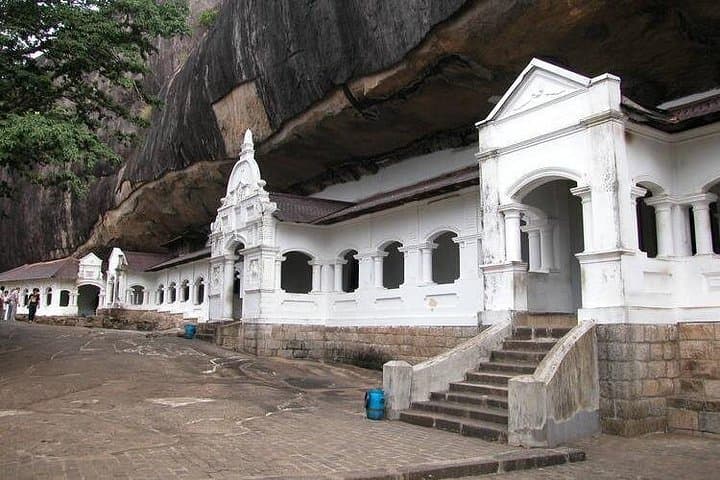
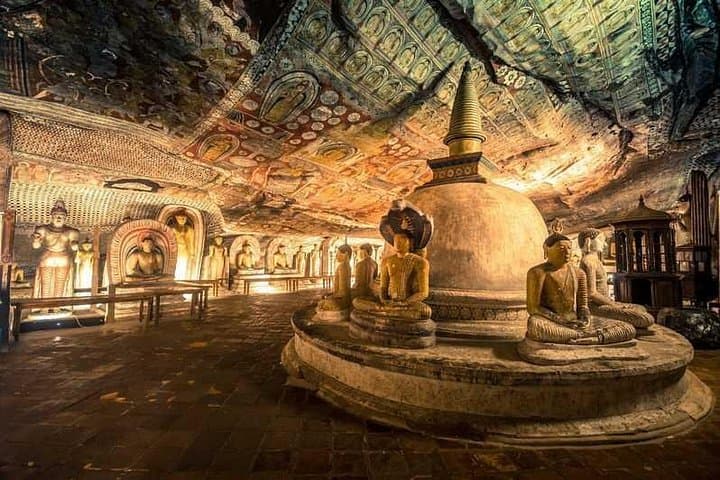
The morning starts with the climb: carved steps, iron walkways, and fresco‑clad galleries that lead past the famed Lion’s Paw to the summit plateaus. Sigiriya is a 5th‑century royal citadel built by King Kashyapa (477–495 AD), its terraced gardens and waterworks still readable in plan below. The day then moves to Dambulla, where a 160‑metre rock hosts five cave temples—153 Buddha statues and 2,100 square metres of murals that narrate scenes from the Buddha’s life and local devotional practice.
Geology and history overlap here: volcanic plug and laterite columns uplifted and quarried into palace walls, caves repurposed as sanctuaries; culture has layered Buddhist, Hindu and royal markers over centuries. Local life is framed by rice paddies and small village markets that supply the temple kitchens.
Practical guidance: plan for a long 10–12 hour day, start early to avoid mid‑day heat, and expect steep sections and uneven steps—fitness should be moderate. Bring cash for entrance fees and a small towel; wear grippy shoes and sun protection. Hydrate steadily—the dry stones can feel unforgiving—and move deliberately on metal staircases. Respect temple rules: cover shoulders and knees, remove shoes, and leave no trace in painted caves.
This is a full‑day private tour lasting approximately 10–12 hours, including transport between sites and time for climbs and photo stops.
Entrance fees are typically not included—bring cash or card to purchase tickets at Sigiriya and Dambulla unless your booking specifies otherwise.
No; Sigiriya involves steep staircases, narrow walkways and uneven terrain and is not recommended for those with mobility issues or serious back problems.
Early morning is best for cooler temperatures, clearer views and fewer visitors; late afternoon can be hot and more crowded.
Travel With Asa operates guided outdoor trips and adventures with an emphasis on safety, stewardship, and memorable experiences.
You step out of the air‑conditioned van into a heat that the rock seems to drink; Sigiriya looms, a 200‑metre column of ancient stone that watches over the plain while the surrounding jungle edges closer with a rustle.
You step out of the air‑conditioned van into a heat that the rock seems to drink; Sigiriya looms, a 200‑metre column of ancient stone that watches over the plain while the surrounding jungle edges closer with a rustle.
The morning starts with the climb: carved steps, iron walkways, and fresco‑clad galleries that lead past the famed Lion’s Paw to the summit plateaus. Sigiriya is a 5th‑century royal citadel built by King Kashyapa (477–495 AD), its terraced gardens and waterworks still readable in plan below. The day then moves to Dambulla, where a 160‑metre rock hosts five cave temples—153 Buddha statues and 2,100 square metres of murals that narrate scenes from the Buddha’s life and local devotional practice.
Geology and history overlap here: volcanic plug and laterite columns uplifted and quarried into palace walls, caves repurposed as sanctuaries; culture has layered Buddhist, Hindu and royal markers over centuries. Local life is framed by rice paddies and small village markets that supply the temple kitchens.
Practical guidance: plan for a long 10–12 hour day, start early to avoid mid‑day heat, and expect steep sections and uneven steps—fitness should be moderate. Bring cash for entrance fees and a small towel; wear grippy shoes and sun protection. Hydrate steadily—the dry stones can feel unforgiving—and move deliberately on metal staircases. Respect temple rules: cover shoulders and knees, remove shoes, and leave no trace in painted caves.